Biases › Choice architecture
Choice architecture
Choice overload (simplification)
Too many options can make choosing harder.
Too many options can stall a decision; simplifying can help.
Iyengar & Lepper (2000). Meta-analyses: Scheibehenne et al. (2010); Chernev et al. (2015).
What is Choice overload?
Choice overload is a behavioural bias (choice architecture family): too many options can stall a decision; simplifying can help. Large assortments sometimes reduce purchase, but meta-analyses find the average effect is small and depends on context (complexity, clear preferences, time pressure). Nudgeswipe rates the evidence as mixed. Source: Iyengar & Lepper (2000). Meta-analyses: Scheibehenne et al. (2010); Chernev et al. (2015).
The original study
Iyengar & Lepper (2000). Meta-analyses: Scheibehenne et al. (2010); Chernev et al. (2015).
- Method
- A supermarket tasting stand displayed either 24 or 6 jams.
- What it found
- The larger display attracted more shoppers (about 60% vs 40% stopped), but far fewer bought (about 3% vs 30%).
Replications and critiques
The research
Large assortments sometimes reduce purchase, but meta-analyses find the average effect is small and depends on context (complexity, clear preferences, time pressure).
● Mixed evidence Meta-analysis: mean effect close to zero (Scheibehenne et al., 2010).
Source: doi.org/10.1037/0022-3514.79.6.995 · doi.org/10.1016/j.jcps.2014.08.002
Mixed evidence: effect sizes vary widely across studies. Treat it as something to test, not a law.
Key takeaways
- Honest nudge
Cut options or guide people to one when choices are complex.
Example: Monzo sells paid plans as "a bit more you", from £3 a month → - Dark-pattern line
Hiding the cheaper option to 'simplify'.
Use it
Apply this with your agent
The prompt carries this bias, its evidence rating and the honest-vs-dark line.
ChatGPT, Claude, Grok and Cursor open with the prompt filled in (it is also copied, in case the prefill doesn't load). Gemini and Codex don't support prefilled links, so the prompt is copied and the app opens; paste it in.
Frequently asked questions
What is Choice overload?
Choice overload is a behavioural bias: too many options can stall a decision; simplifying can help.
How does Choice overload work?
Large assortments sometimes reduce purchase, but meta-analyses find the average effect is small and depends on context (complexity, clear preferences, time pressure).
How strong is the evidence for Choice overload?
Nudgeswipe rates it mixed evidence. Original source: Iyengar & Lepper (2000). Meta-analyses: Scheibehenne et al. (2010); Chernev et al. (2015).
How can you use Choice overload honestly?
Cut options or guide people to one when choices are complex.
When does Choice overload become a dark pattern?
Hiding the cheaper option to 'simplify'.
Which brands use Choice overload?
Nudgeswipe has 6 teardowns of brands using it, including Trainline, Monzo, LinkedIn Premium, Replit, MORI. Whether it lifted their results is not public unless a teardown cites it.
In the wild
6 real examples
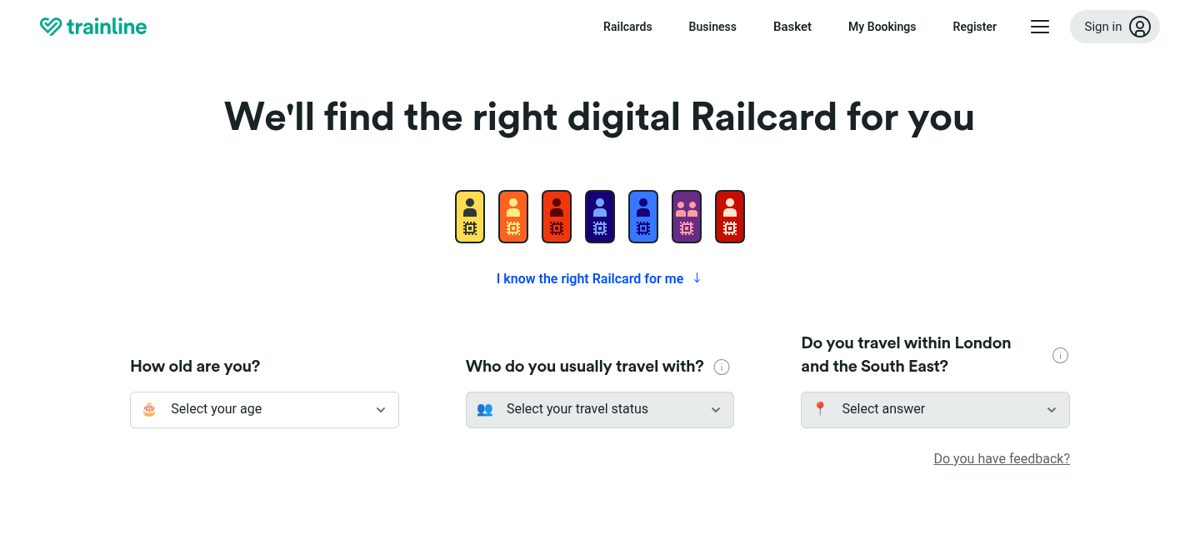
Trainline replaces a list of Railcards with three questions
Trainline · Onboarding
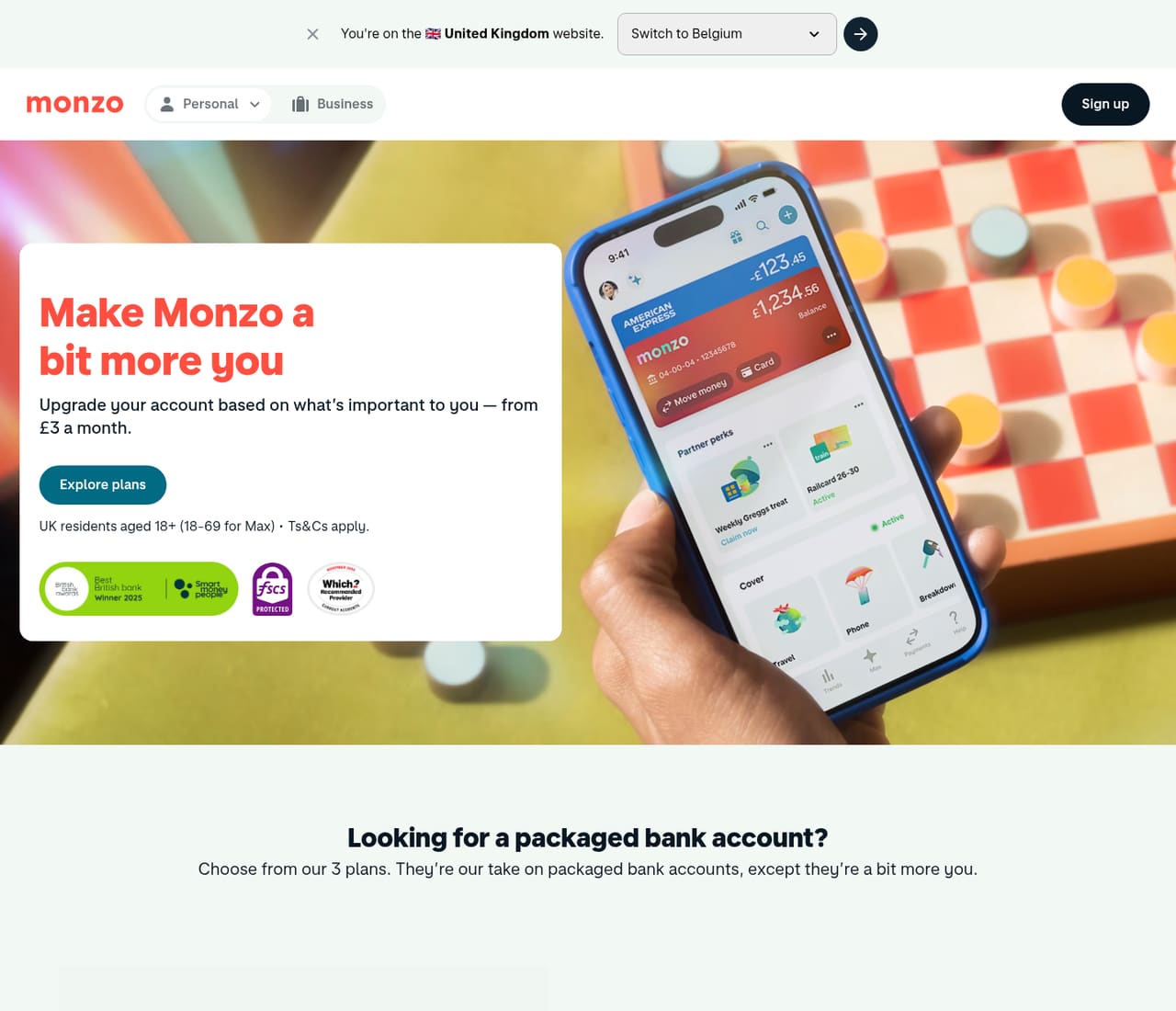
Monzo sells paid plans as "a bit more you", from £3 a month
Monzo · Pricing page · £ as captured
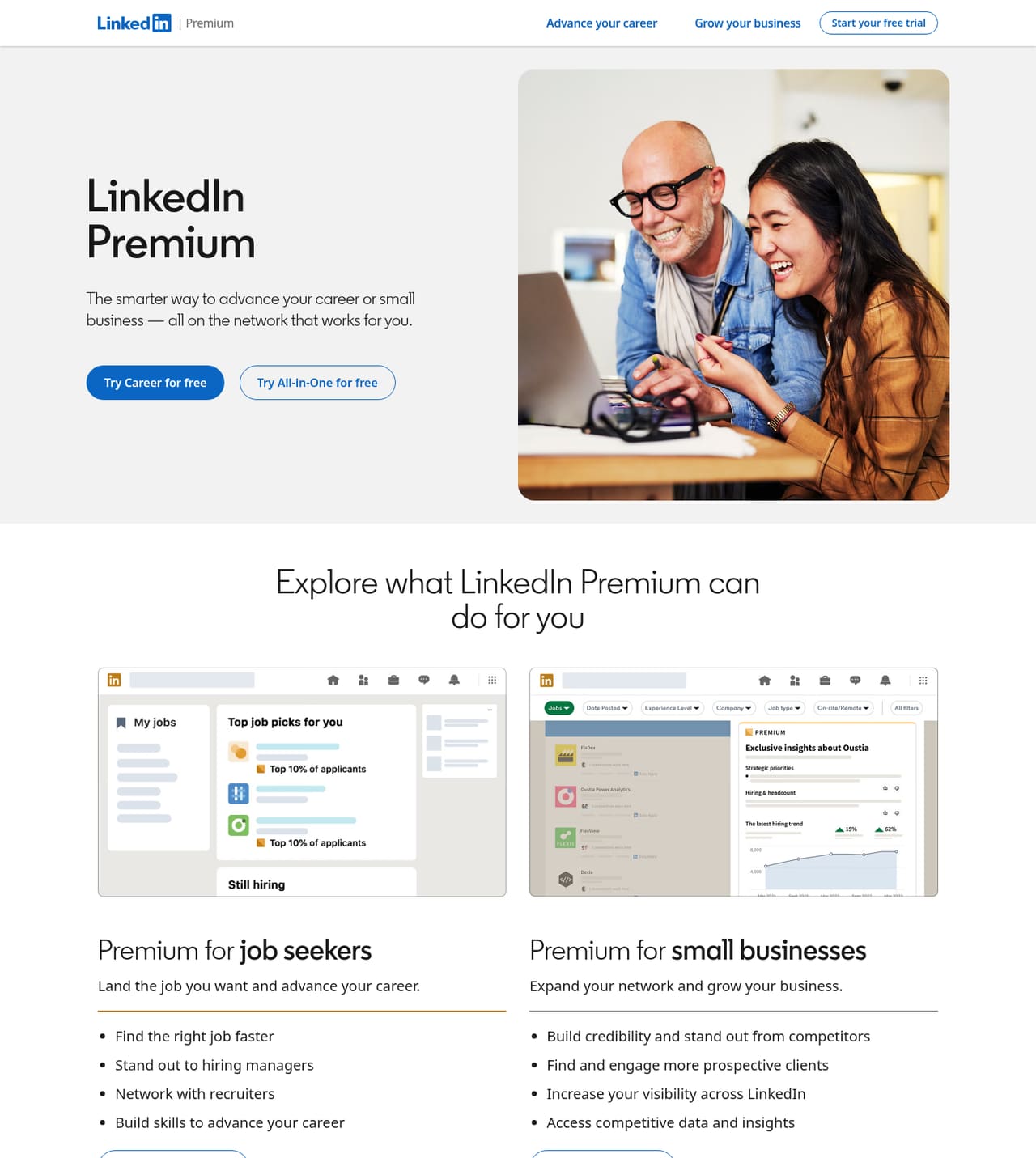
LinkedIn Premium splits visitors into "Advance your career" or "Grow your business" before any price
LinkedIn Premium · Premium landing page
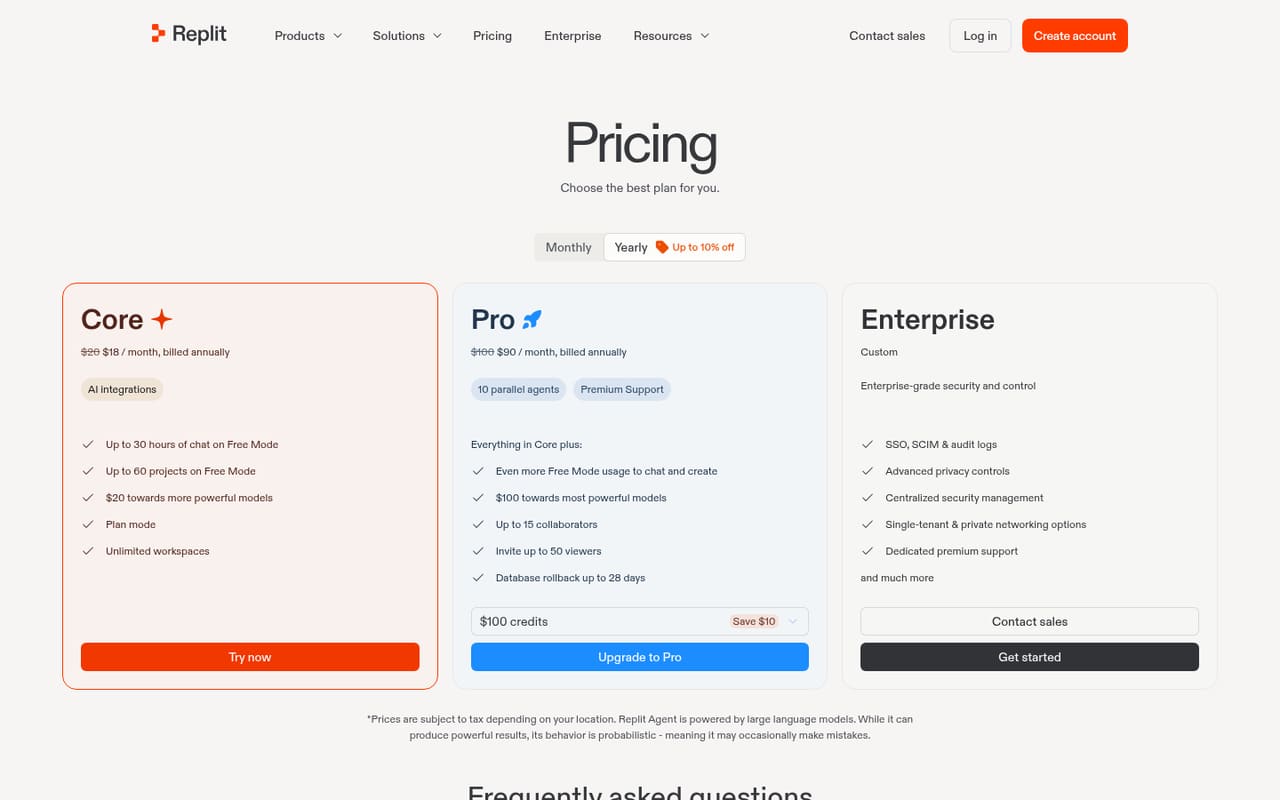
Replit shows "$20 $18 / month, billed annually" and bundles model credit into the price
Replit · Pricing page · $ as captured
It's been a while - here's what's new at MORI 💫
MORI points lapsed parents to "where most parents start"
MORI · Email
🛏️ How many pillows should you have?
Rest turns choosing bedding into a series of two-option questions
Rest · Email
5 new nudges, every Friday
Five real product and marketing moments, the psychology behind each, and one thing to try. Weekly issues start soon. Your email is stored with our email provider (Resend) and used only for this newsletter.