Biases › Price
Price
Price & attribute framing
The same price feels smaller in the right unit.
The same price or attribute feels different depending on how it's expressed.
Tversky & Kahneman (1981), The framing of decisions. Pennies-a-day: Gourville (1998).
What is Price & attribute framing?
Price & attribute framing is a behavioural bias (price family): the same price or attribute feels different depending on how it's expressed. Equivalent descriptions lead to different choices. Nudgeswipe rates the evidence as strong. Source: Tversky & Kahneman (1981), The framing of decisions. Pennies-a-day: Gourville (1998).
The original study
Tversky & Kahneman (1981), The framing of decisions. Pennies-a-day: Gourville (1998).
- Method
- The "Asian disease" problem: the same programme outcomes described as lives saved or lives lost.
- What it found
- Most people chose the sure option when outcomes were framed as gains, and the risky option when framed as losses.
Replications and critiques
- Many Labs 1 (Klein et al., 2014) replicated 10 of 13 classic effects across 36 samples (6,344 people), and gain vs loss framing was among the effects that replicated. Source →
The research
Equivalent descriptions lead to different choices. A common pricing version is temporal framing: an annual price restated per week or per day feels smaller ('pennies-a-day').
● Strong evidence
Also covers: Attribute framing (Levin & Gaeth (1988), How Consumers are Affected by the Framing of Attribute Information Before and After Consuming the Product. doi.org/10.1086/209174); Pennies-a-day framing (Gourville (1998), Pennies‐a‐Day: The Effect of Temporal Reframing on Transaction Evaluation. doi.org/10.1086/209517)
Source: doi.org/10.1126/science.7455683 · doi.org/10.1086/209517
Key takeaways
- Honest nudge
Restate prices in the unit people actually think in, and show the total.
Example: The Economist prices a year by the week, and preselects it → - Dark-pattern line
Hiding the total behind the per-week price.
Grey-area example: NordVPN shows "Save 69%" on a 2-year plan, with the renewal price in small print →
Use it
Apply this with your agent
The prompt carries this bias, its evidence rating and the honest-vs-dark line.
ChatGPT, Claude, Grok and Cursor open with the prompt filled in (it is also copied, in case the prefill doesn't load). Gemini and Codex don't support prefilled links, so the prompt is copied and the app opens; paste it in.
Frequently asked questions
What is Price & attribute framing?
Price & attribute framing is a behavioural bias: the same price or attribute feels different depending on how it's expressed.
How does Price & attribute framing work?
Equivalent descriptions lead to different choices. A common pricing version is temporal framing: an annual price restated per week or per day feels smaller ('pennies-a-day').
How strong is the evidence for Price & attribute framing?
Nudgeswipe rates it strong evidence. Original source: Tversky & Kahneman (1981), The framing of decisions. Pennies-a-day: Gourville (1998).
How can you use Price & attribute framing honestly?
Restate prices in the unit people actually think in, and show the total.
When does Price & attribute framing become a dark pattern?
Hiding the total behind the per-week price.
Which brands use Price & attribute framing?
Nudgeswipe has 32 teardowns of brands using it, including The Economist, Zapier, Headspace, Airbnb, Netflix. Whether it lifted their results is not public unless a teardown cites it.
In the wild
32 real examples
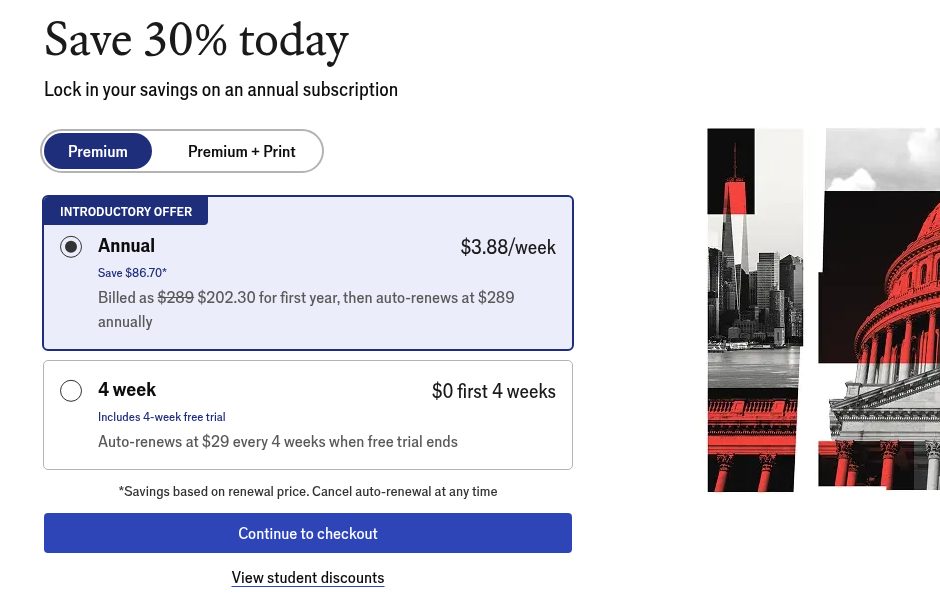
The Economist prices a year by the week, and preselects it
The Economist · Pricing · $ as captured
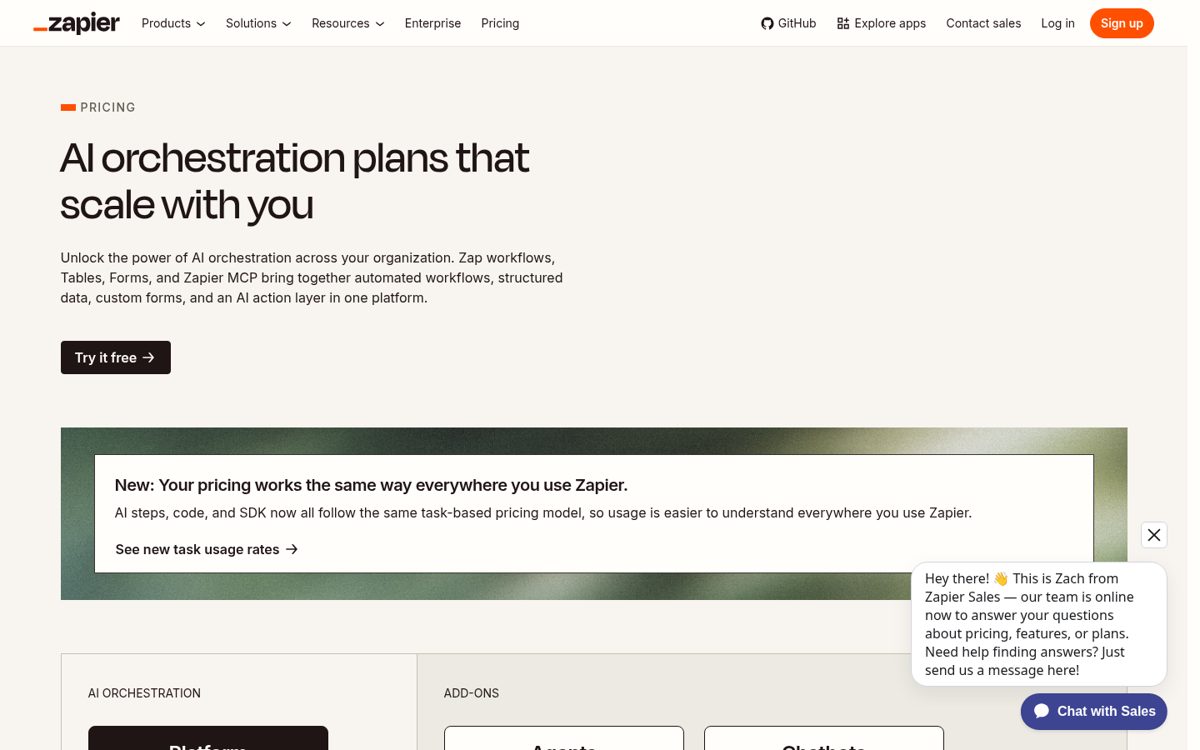
Zapier frames annual billing as 'Save 33%'
Zapier · Pricing page · $ as captured
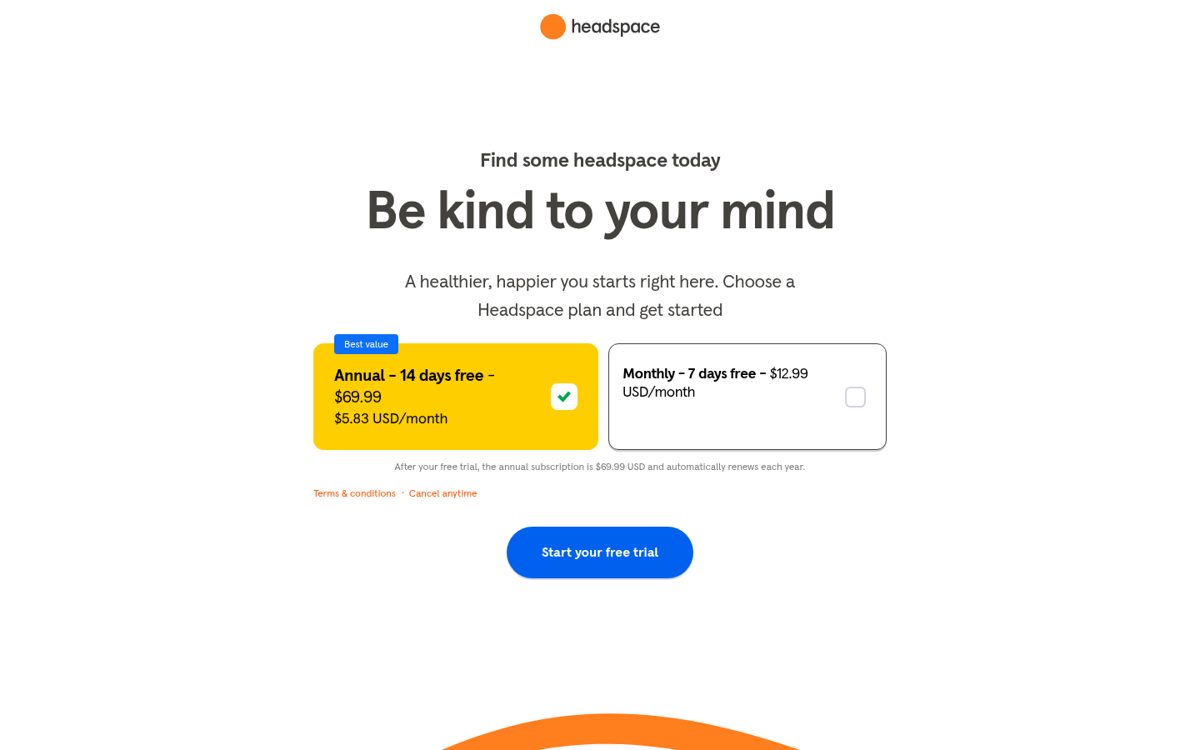
Headspace preselects annual and shows it per month
Headspace · Pricing page · $ as captured
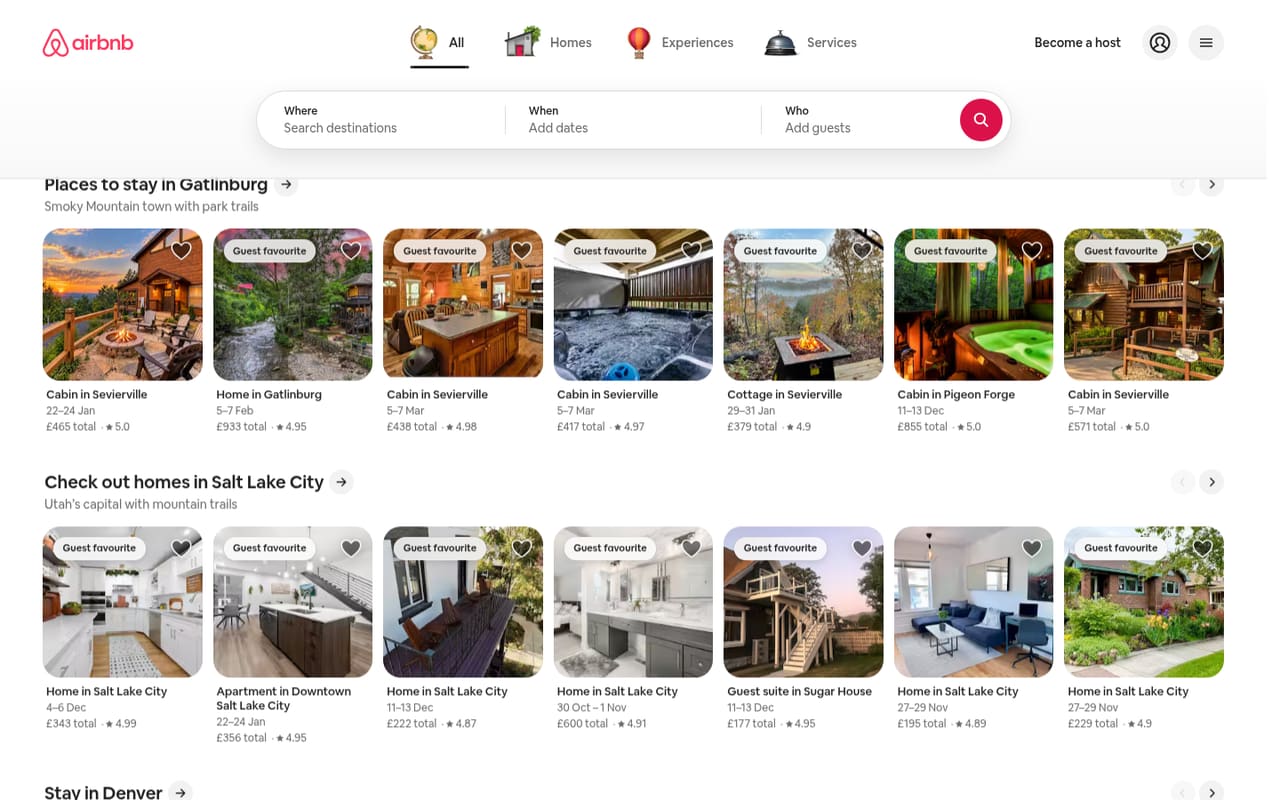
Airbnb shows the total price and a "Guest favourite" badge on every card
Airbnb · Homepage · £ as captured
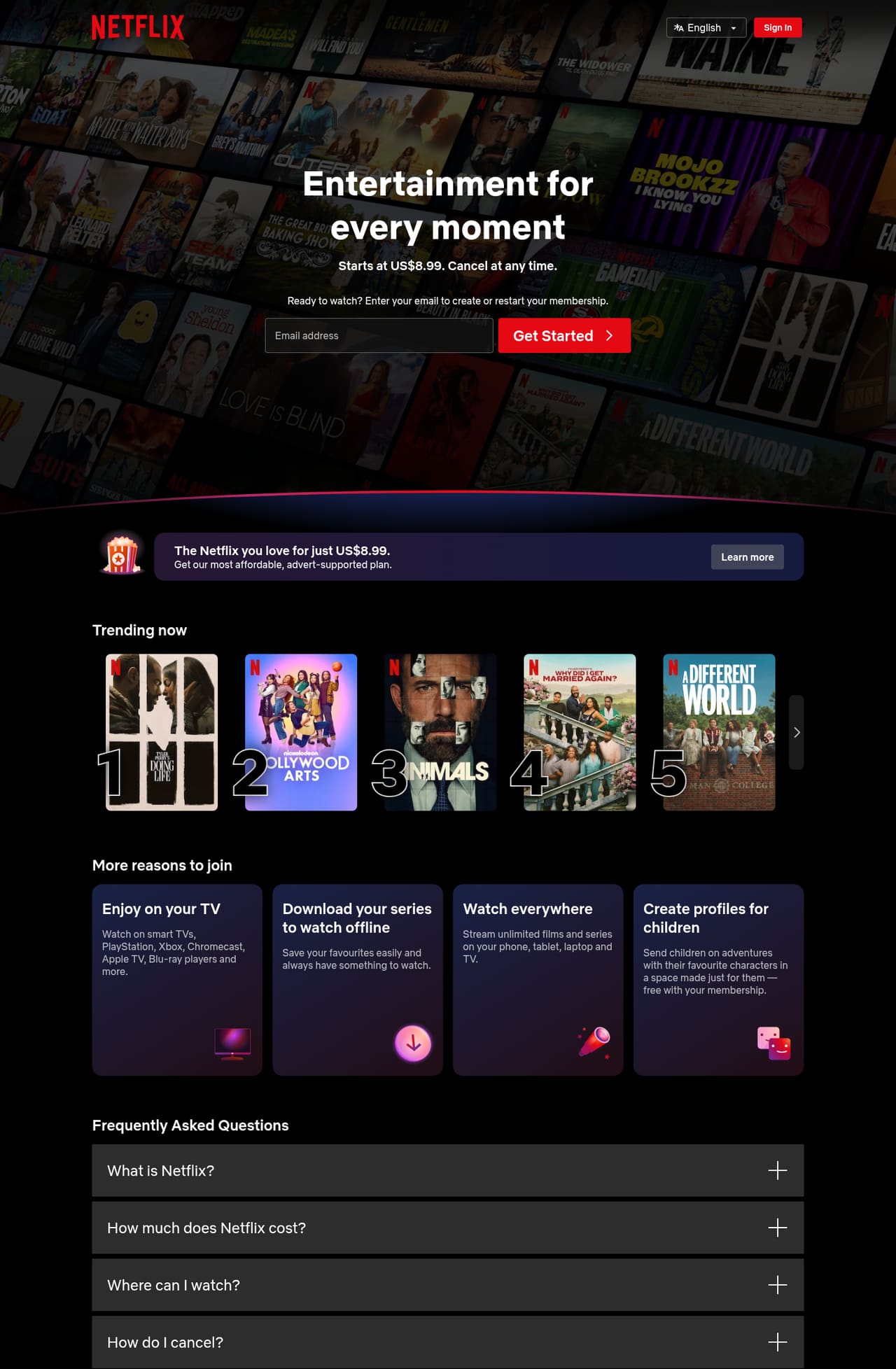
Netflix leads with "Starts at US$8.99" and asks only for an email
Netflix · Homepage / sign-up · $ as captured
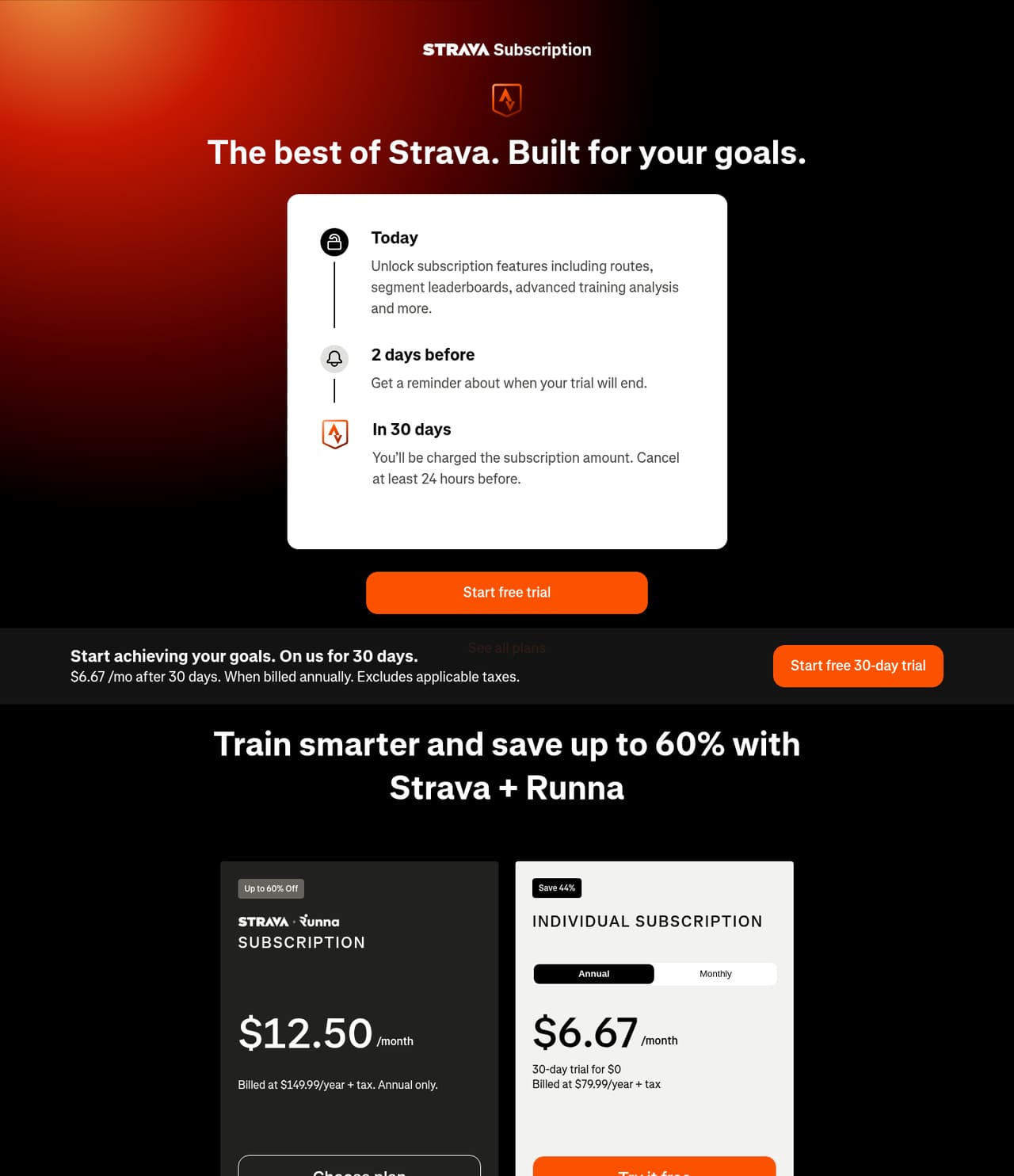
Strava turns its free trial into a three-step timeline
Strava · Paywall / trial · $ as captured
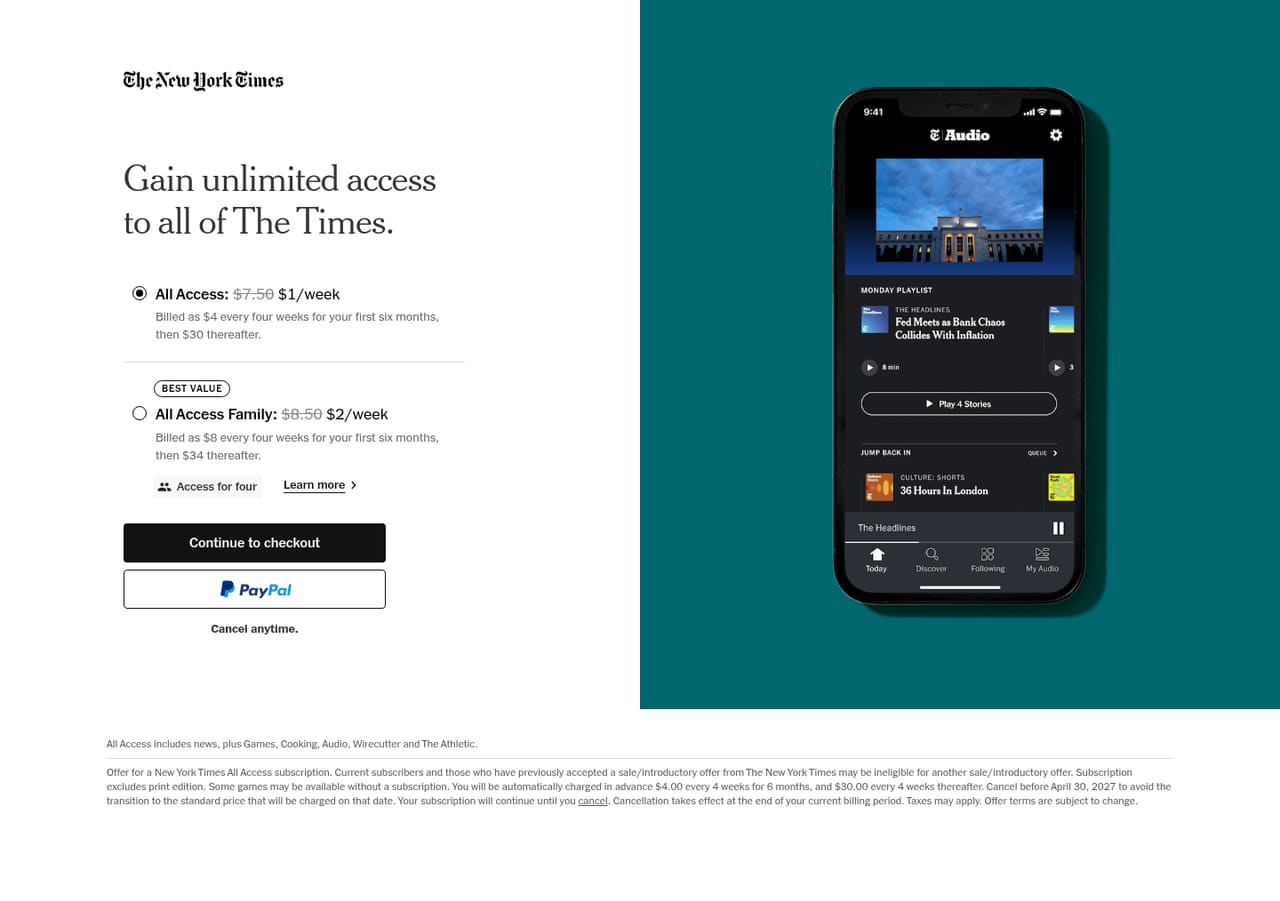
The New York Times strikes through $7.50 to sell All Access at $1 a week
The New York Times · Paywall / pricing · $ as captured
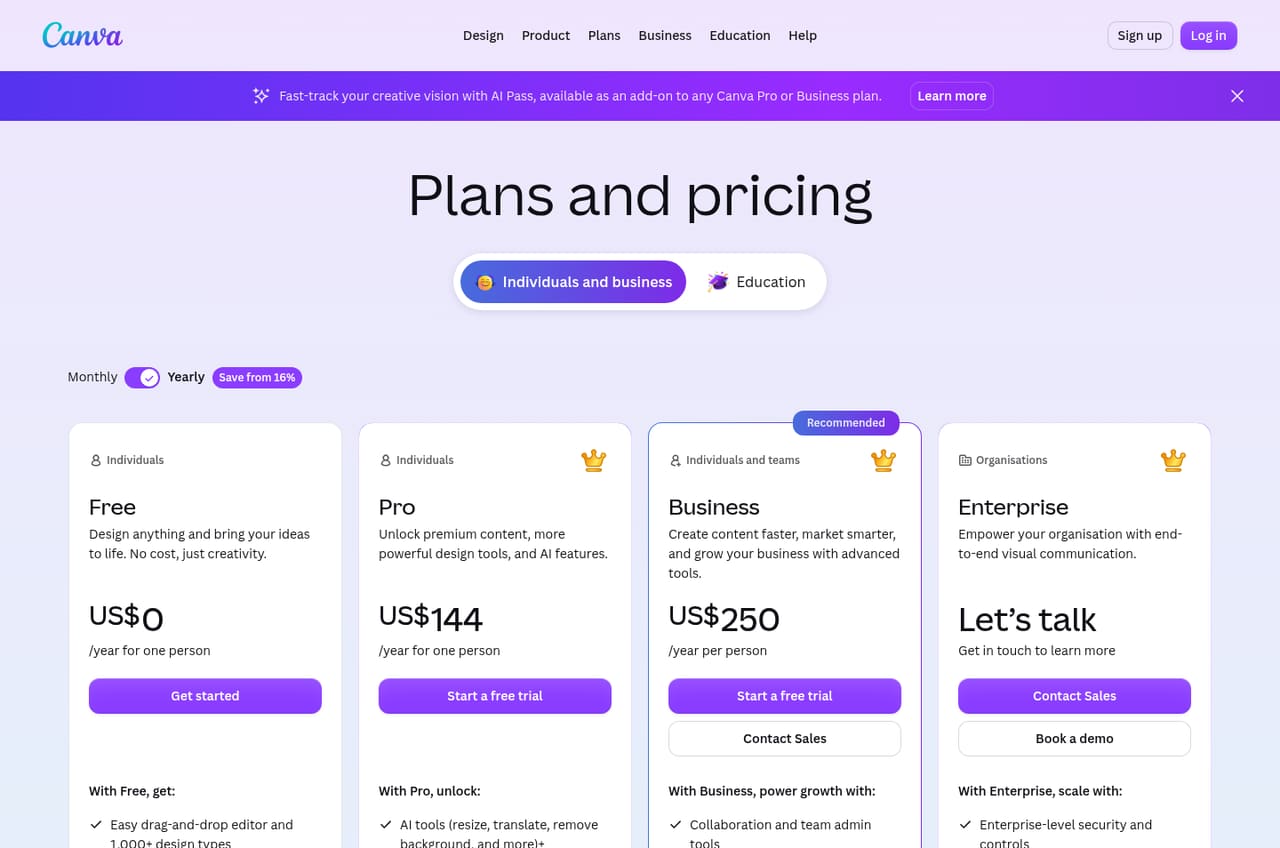
Canva puts a generous free plan first and a "Save from 16%" yearly toggle on top
Canva · Pricing page · $ as captured
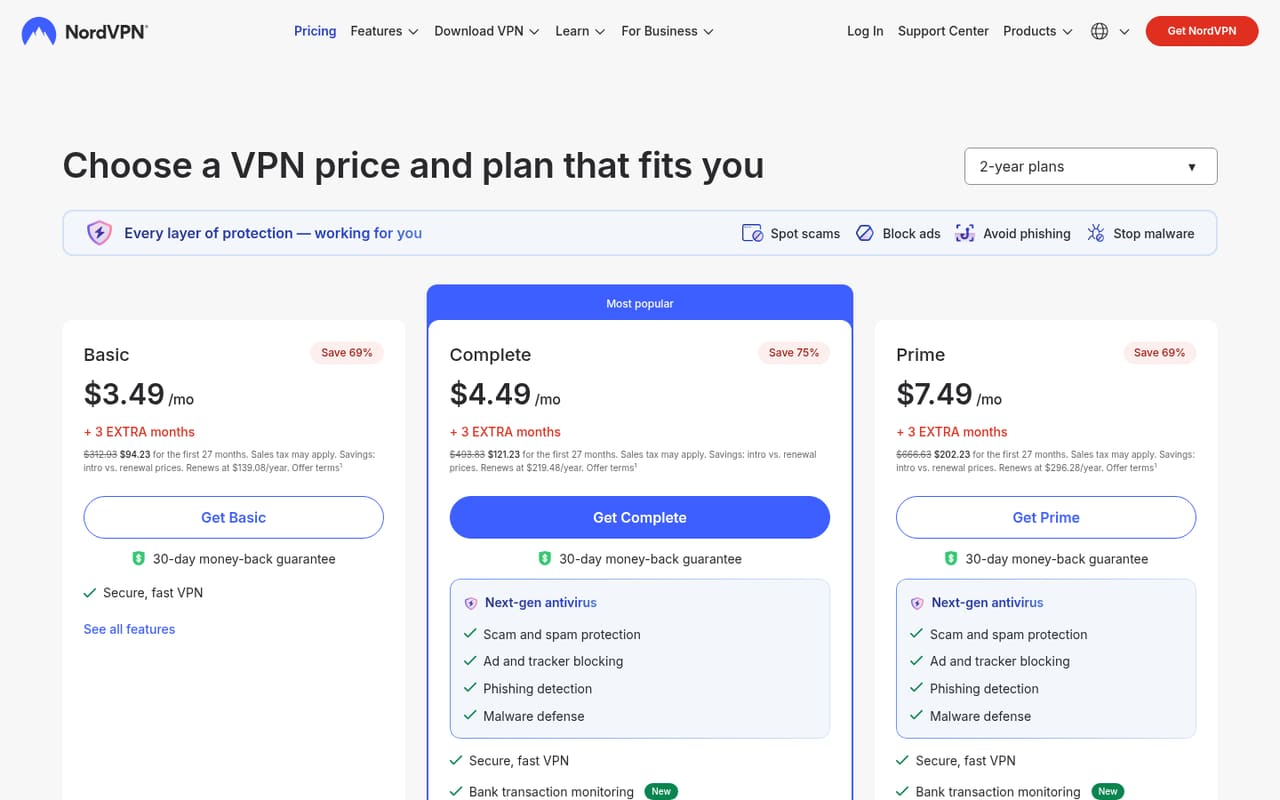
NordVPN shows "Save 69%" on a 2-year plan, with the renewal price in small print
NordVPN · Pricing page · $ as captured
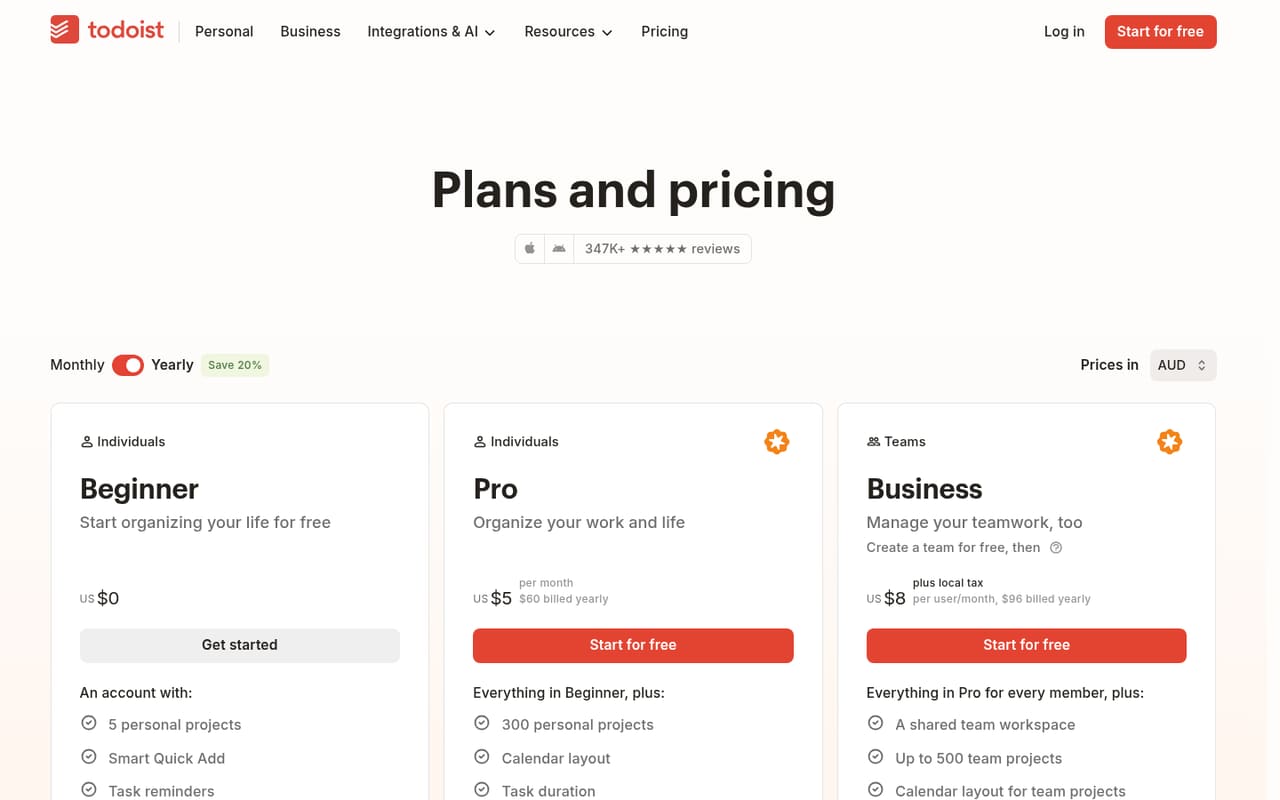
Todoist puts "347K+ ★★★★★ reviews" above its plans
Todoist · Pricing page
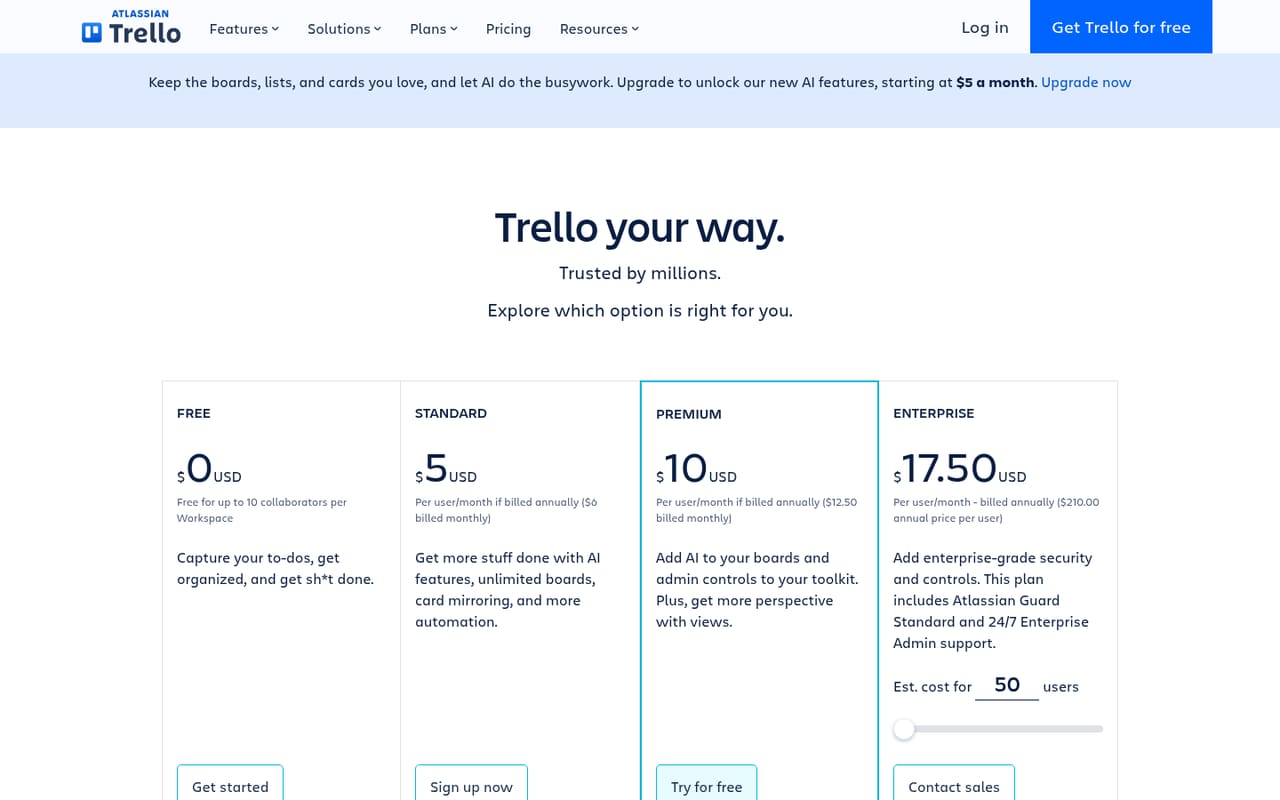
Trello makes the free plan concrete: "Free for up to 10 collaborators"
Trello · Pricing page · $ as captured
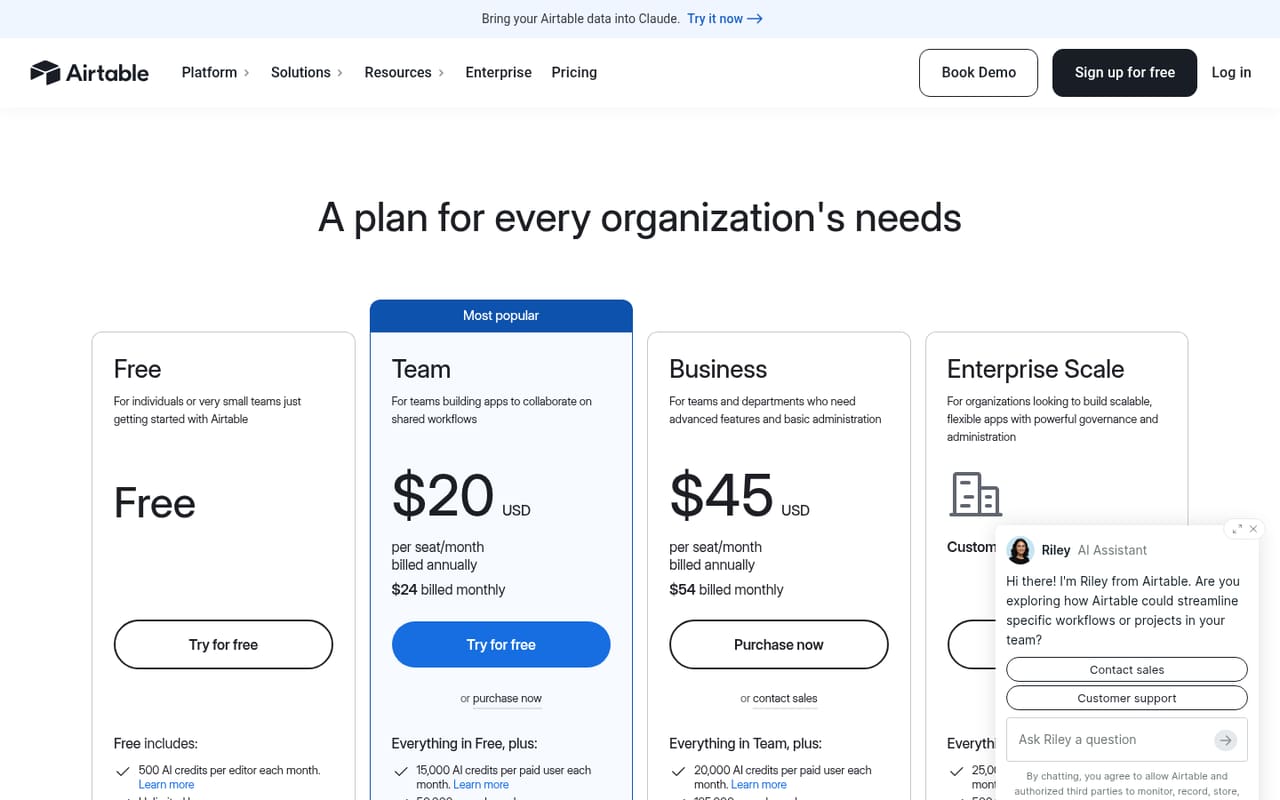
Airtable marks its Team plan "Most popular" between Free and Business
Airtable · Pricing page · $ as captured
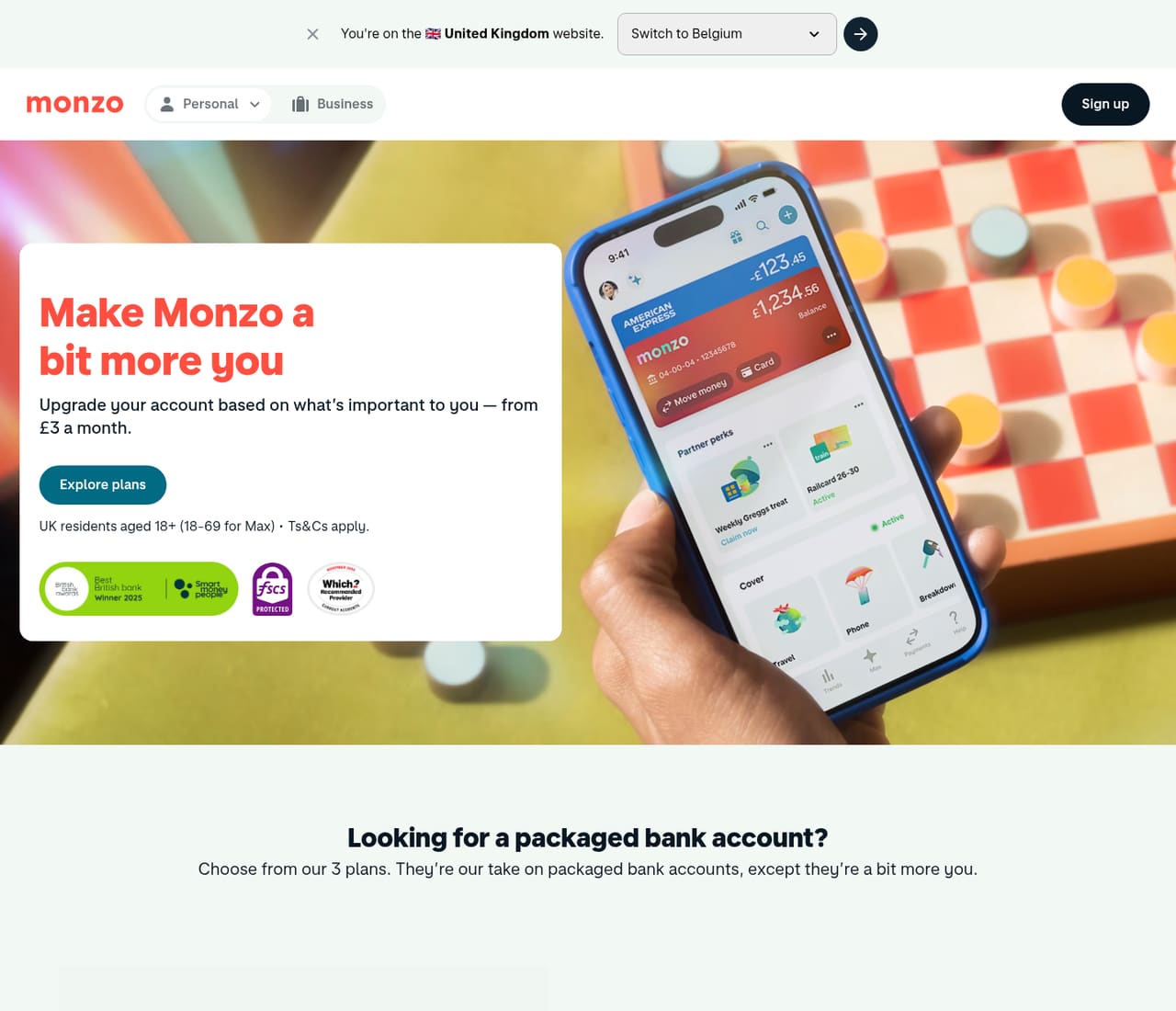
Monzo sells paid plans as "a bit more you", from £3 a month
Monzo · Pricing page · £ as captured
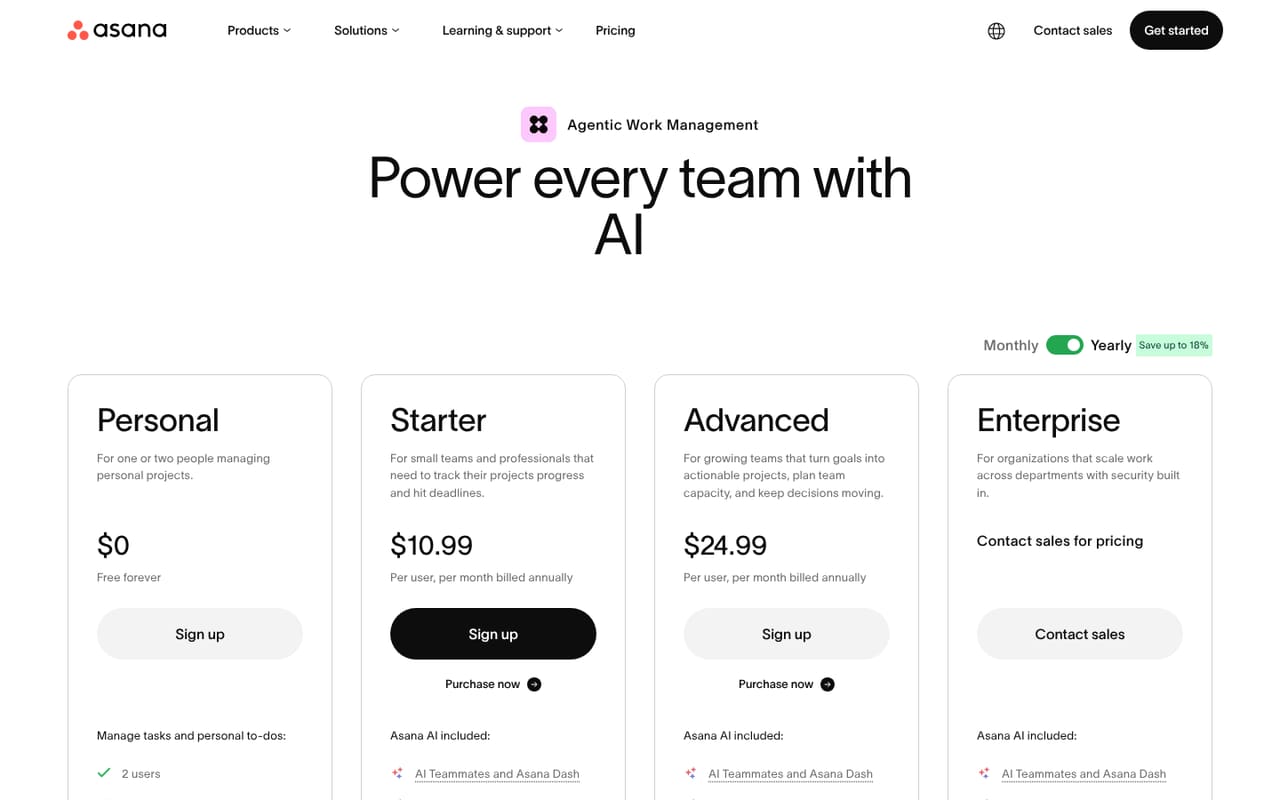
Asana labels its entry plan "Free forever" for one or two people
Asana · Pricing page · $ as captured
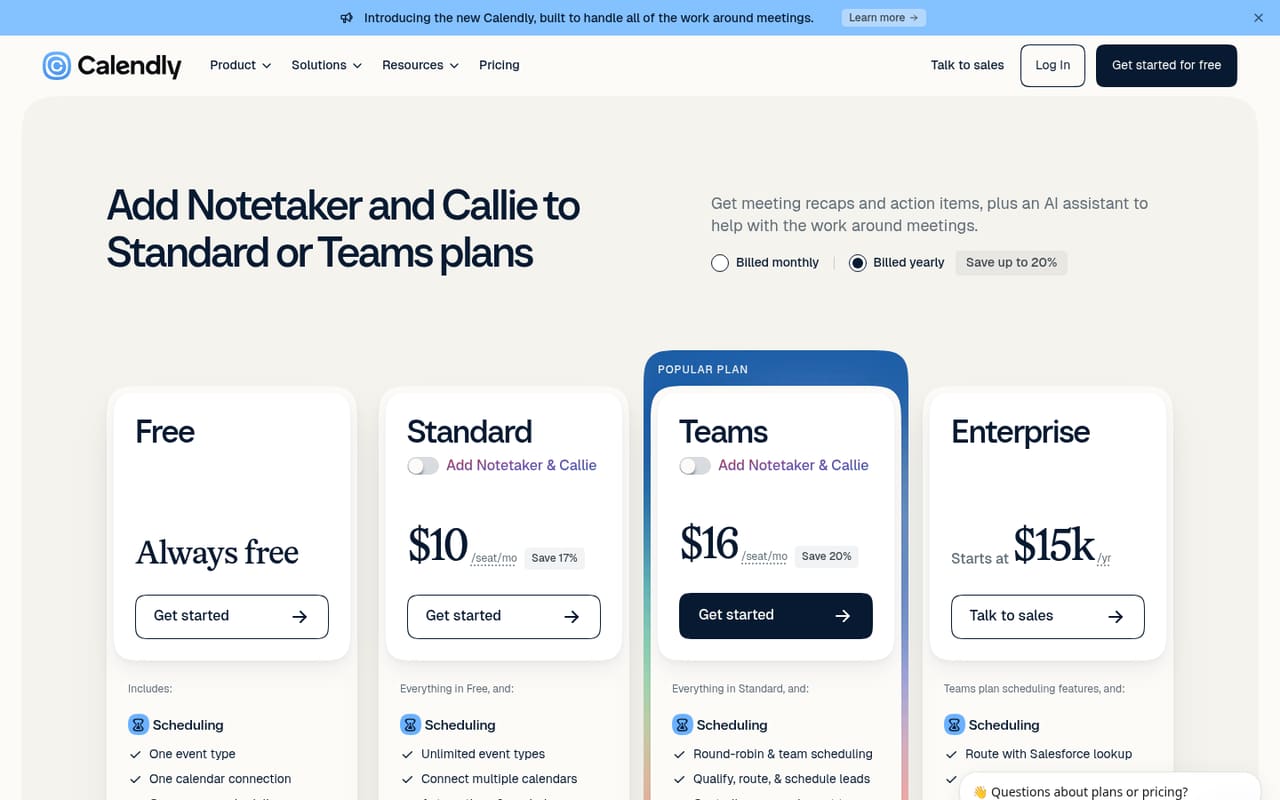
Calendly explains who needs a paid seat, and who doesn't
Calendly · Pricing page · $ as captured
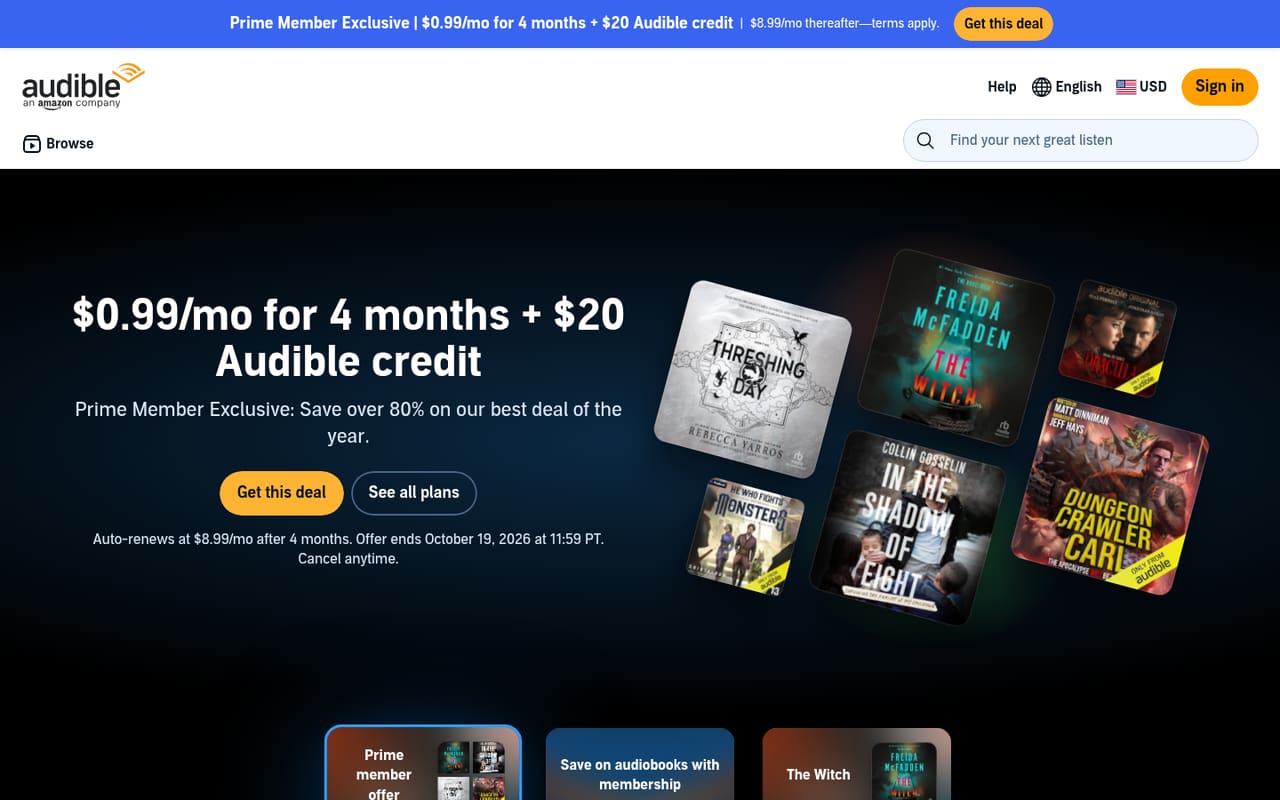
Audible offers Prime members $0.99 a month for 4 months, plus a $20 credit
Audible · Homepage banner · $ as captured

Perplexity stacks "LIMITED TIME" bonus credits on top of annual-billed prices
Perplexity · Pricing page · $ as captured
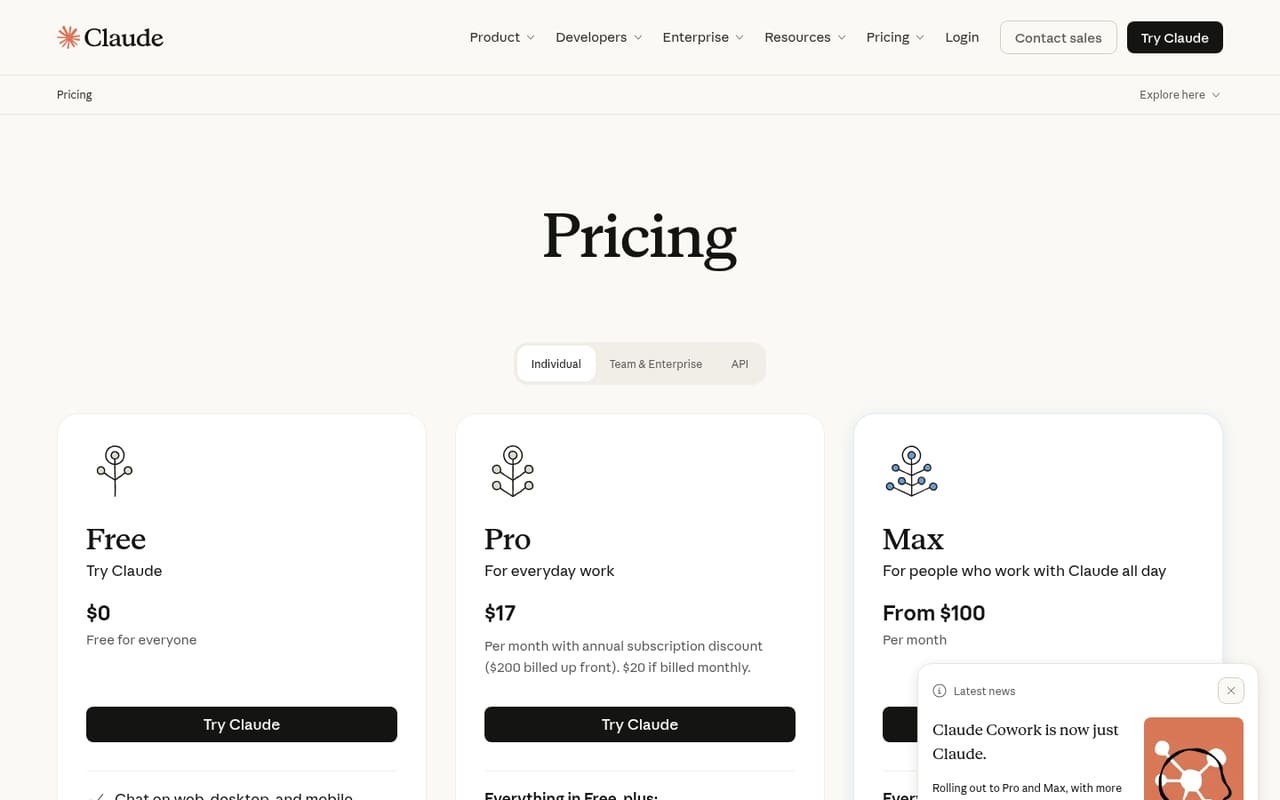
Claude leads with the annual-discount price and spells out the monthly one beside it
Claude (Anthropic) · Pricing page · $ as captured
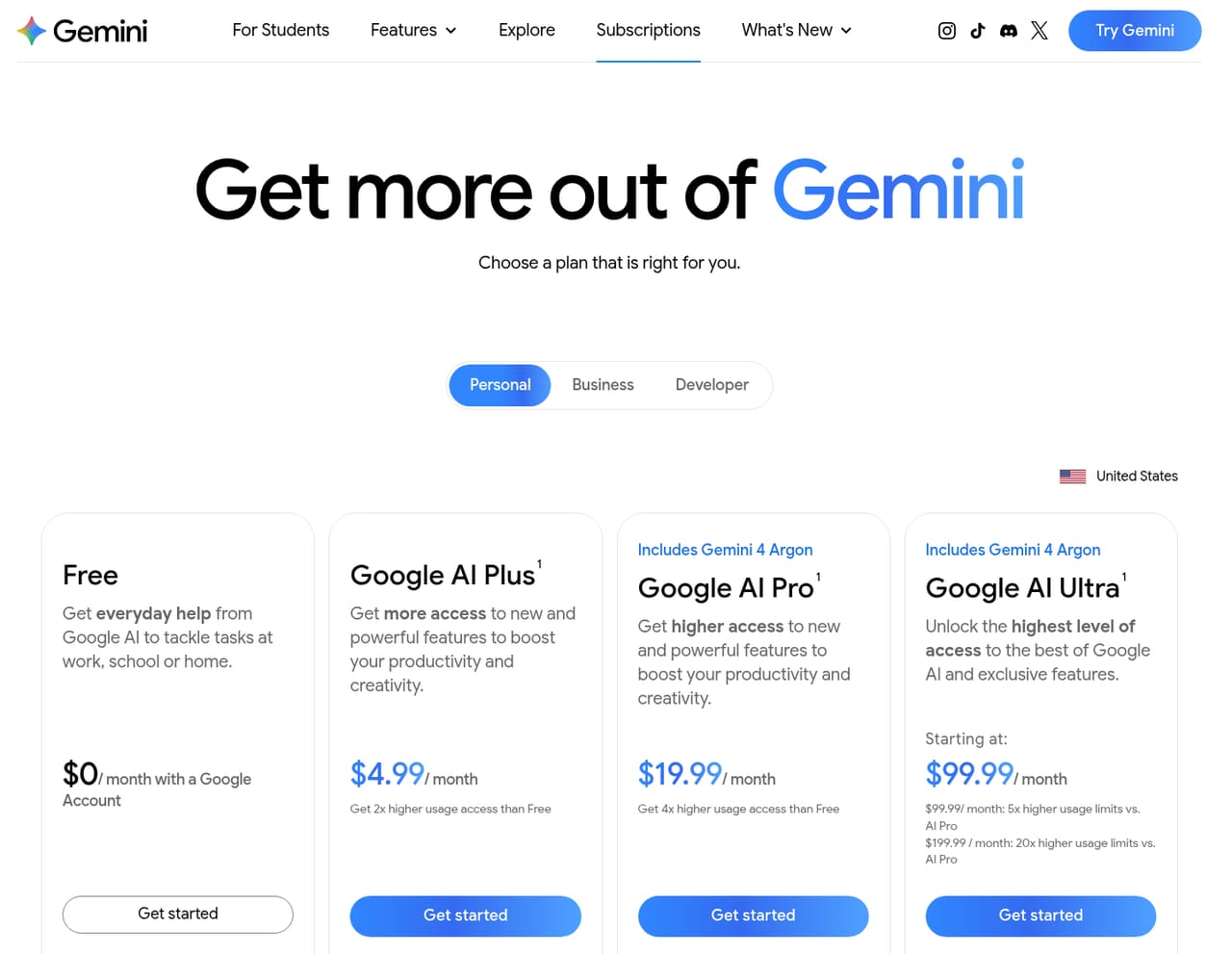
Google sells Gemini plans as "2x" and "4x" the free usage
Google Gemini · Pricing page · $ as captured
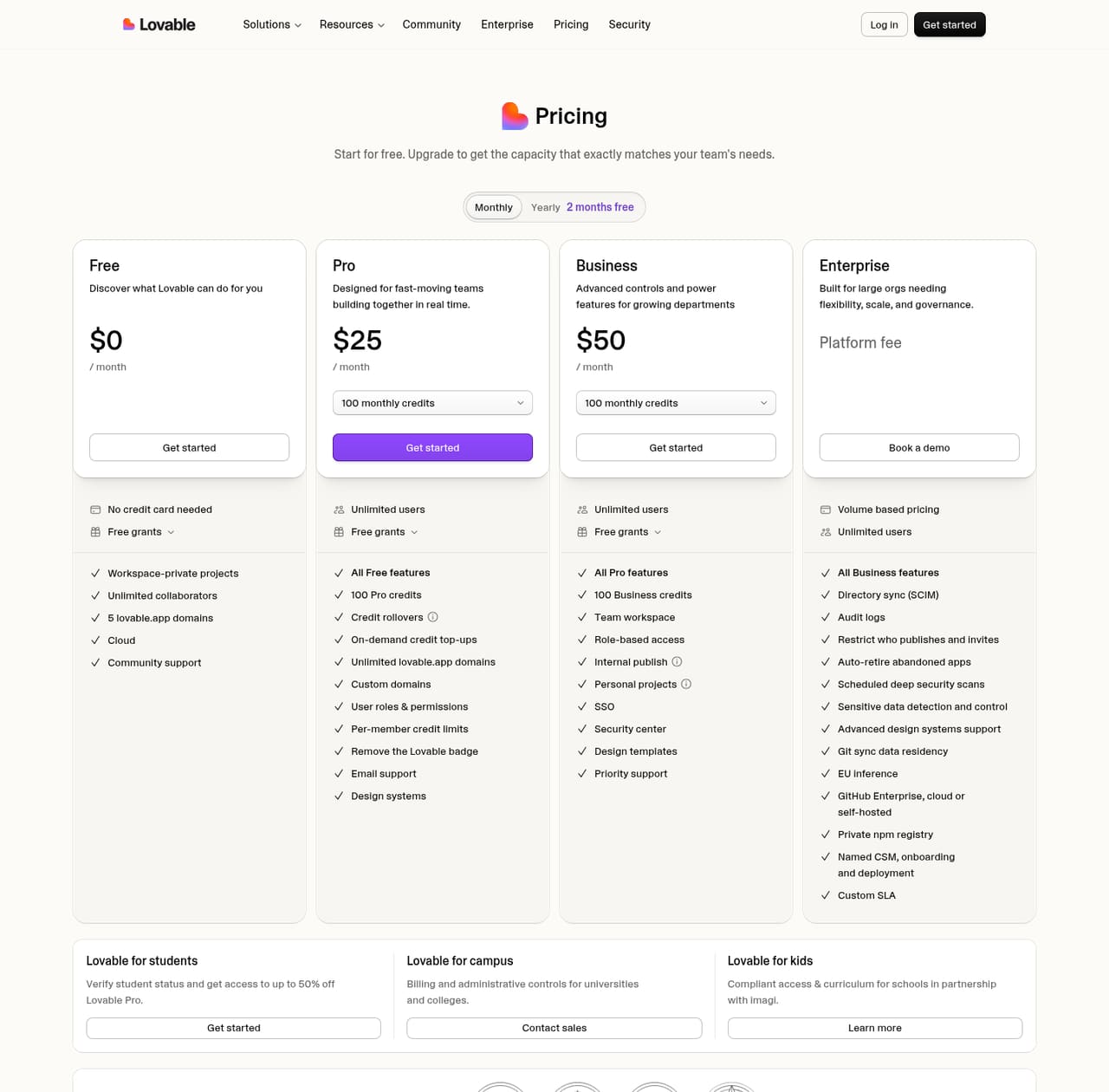
Lovable frames the yearly plan as "2 months free" and starts with "No credit card needed"
Lovable · Pricing page · $ as captured
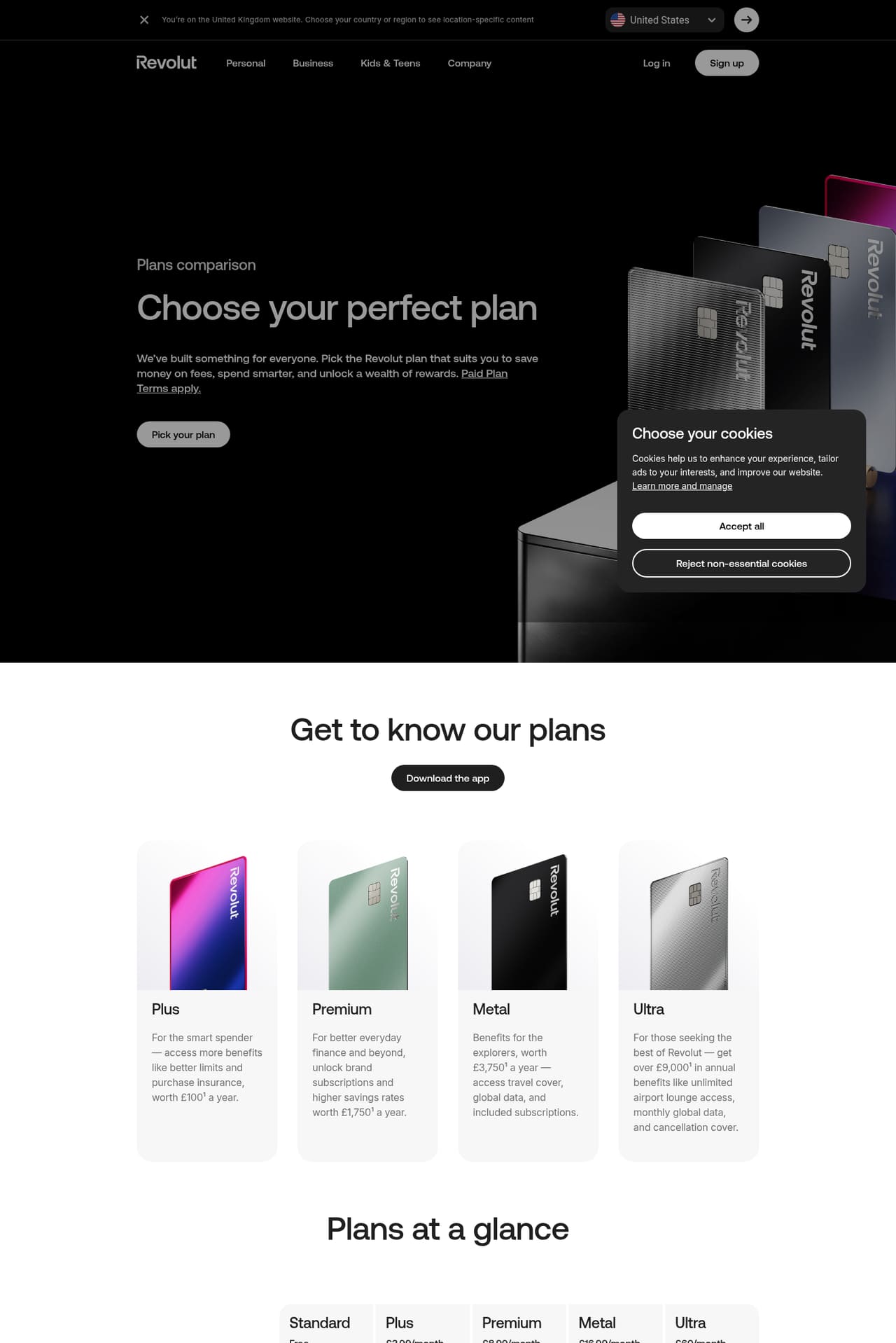
Revolut prices each plan against a much bigger "worth £… a year" figure
Revolut · Pricing page · £ as captured
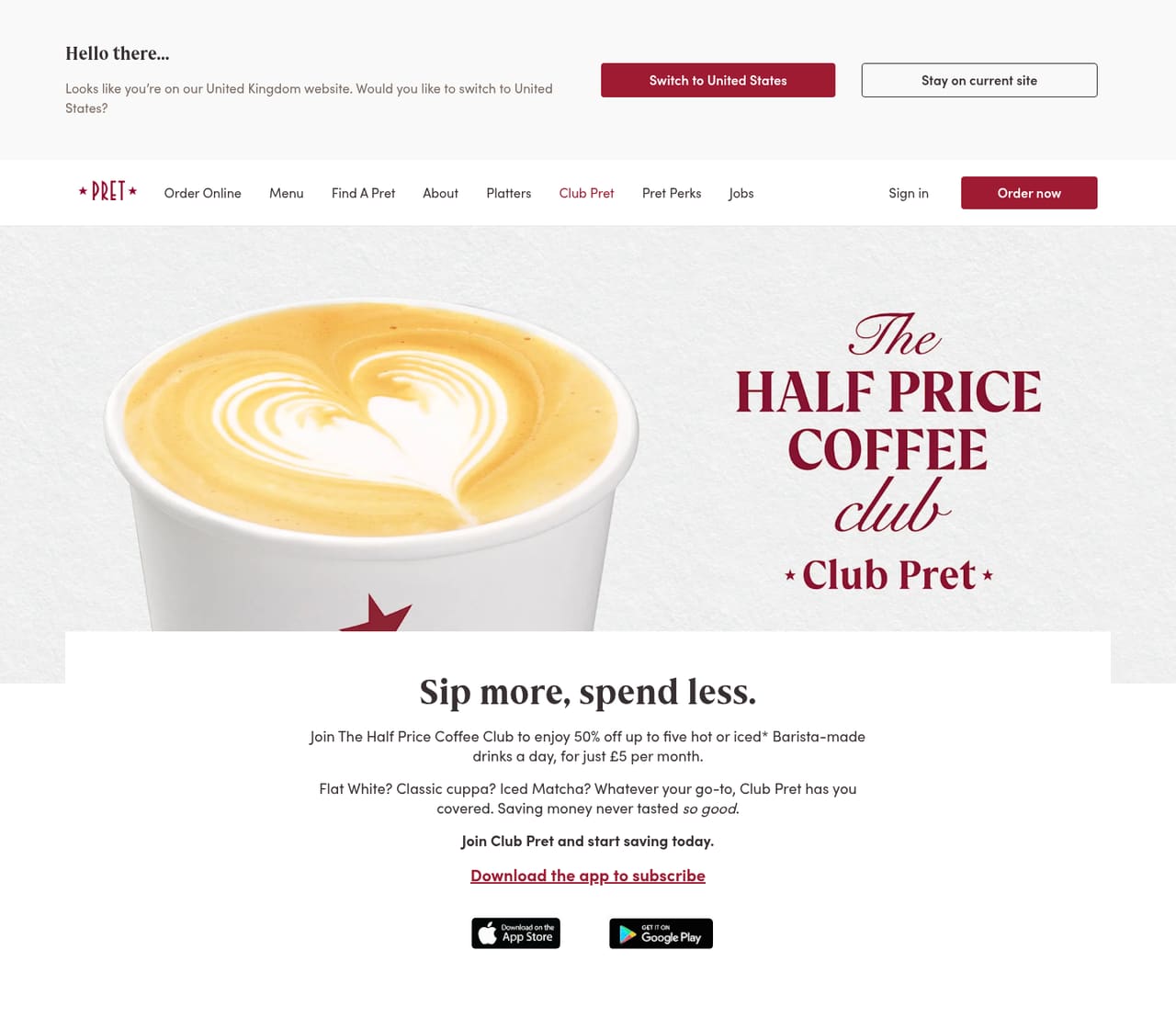
Club Pret: £5 a month for half price on up to five drinks a day
Pret A Manger · Subscription page · £ as captured
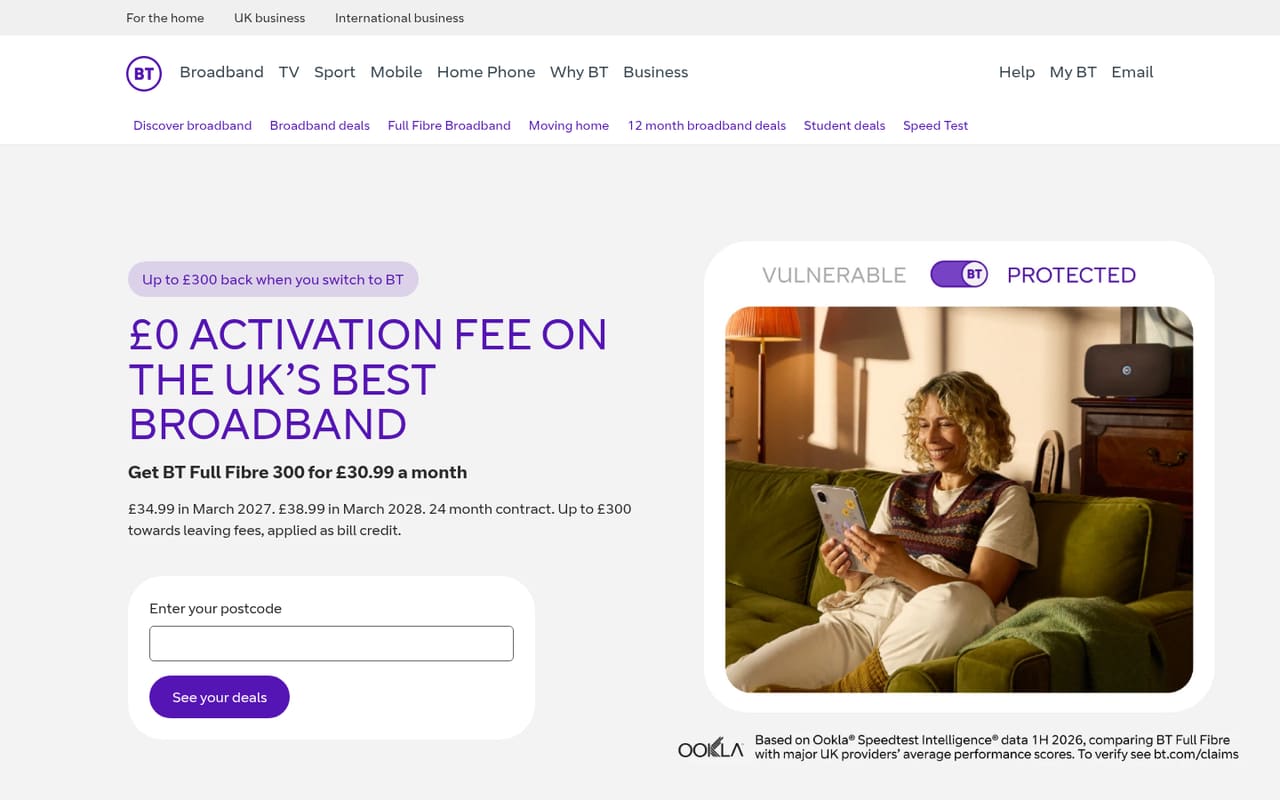
BT states each future price rise in pounds next to the deal
BT · Broadband deals page · £ as captured
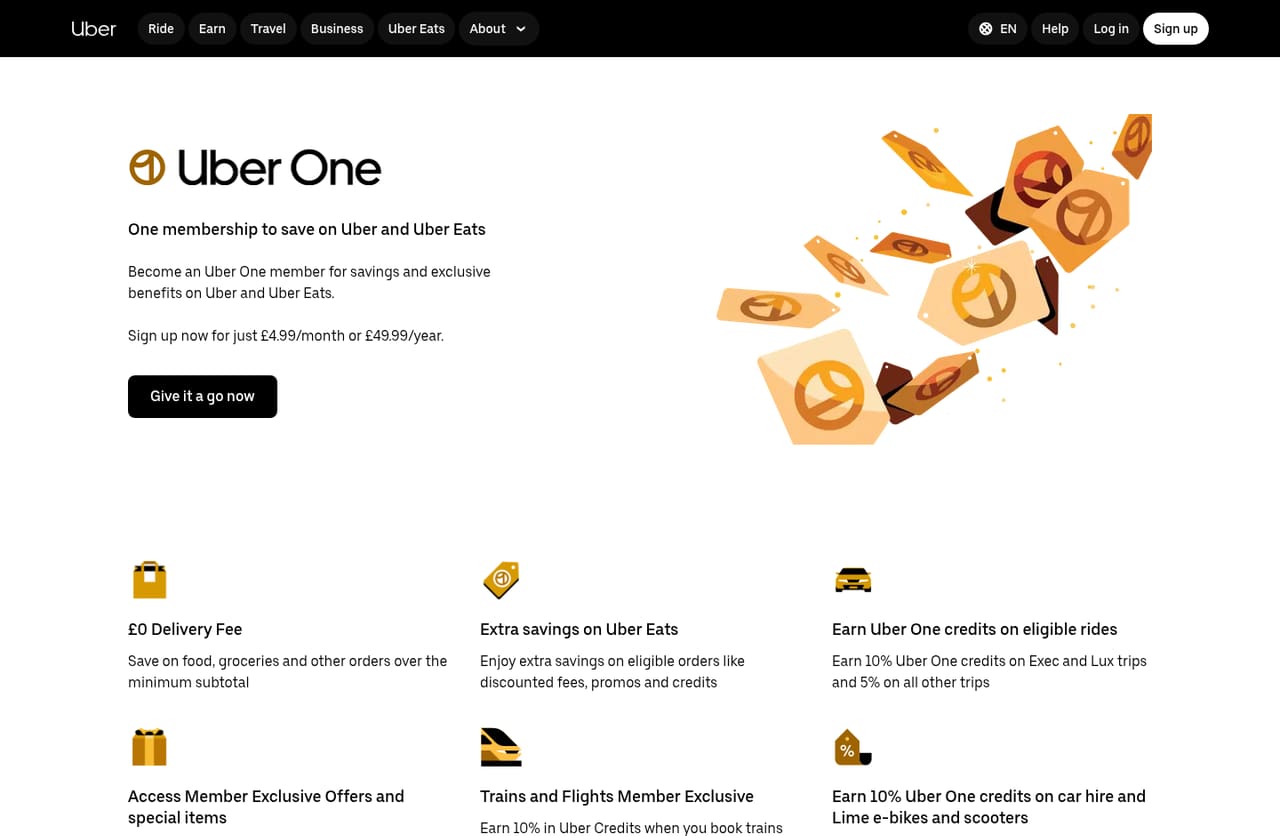
Uber One sells a £4.99 membership on "£0 Delivery Fee" and credits paid back as a percentage
Uber One · Membership page · £ as captured
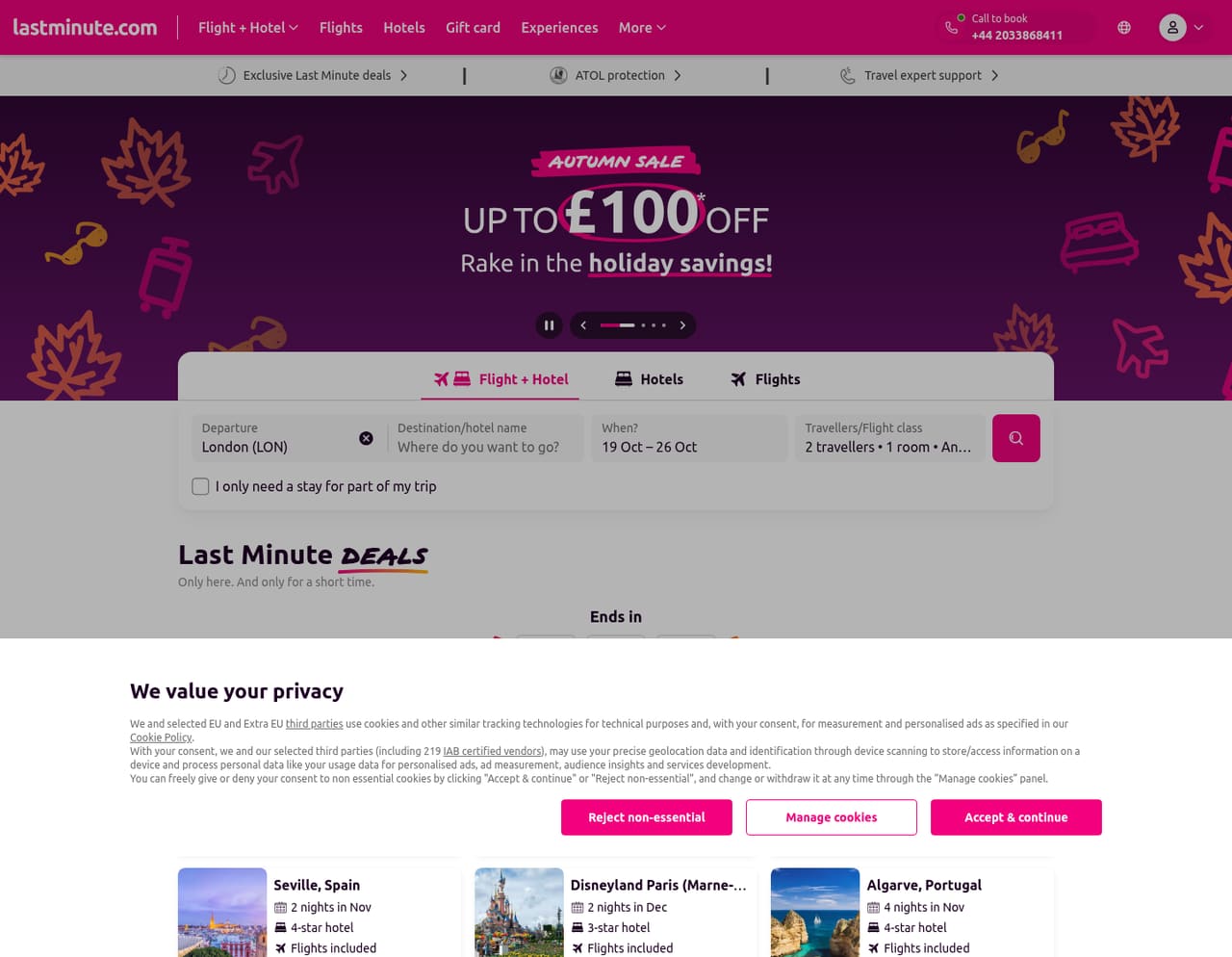
lastminute.com runs a ticking "Ends in" countdown over its "Only here" deals
lastminute.com · Homepage · £ as captured
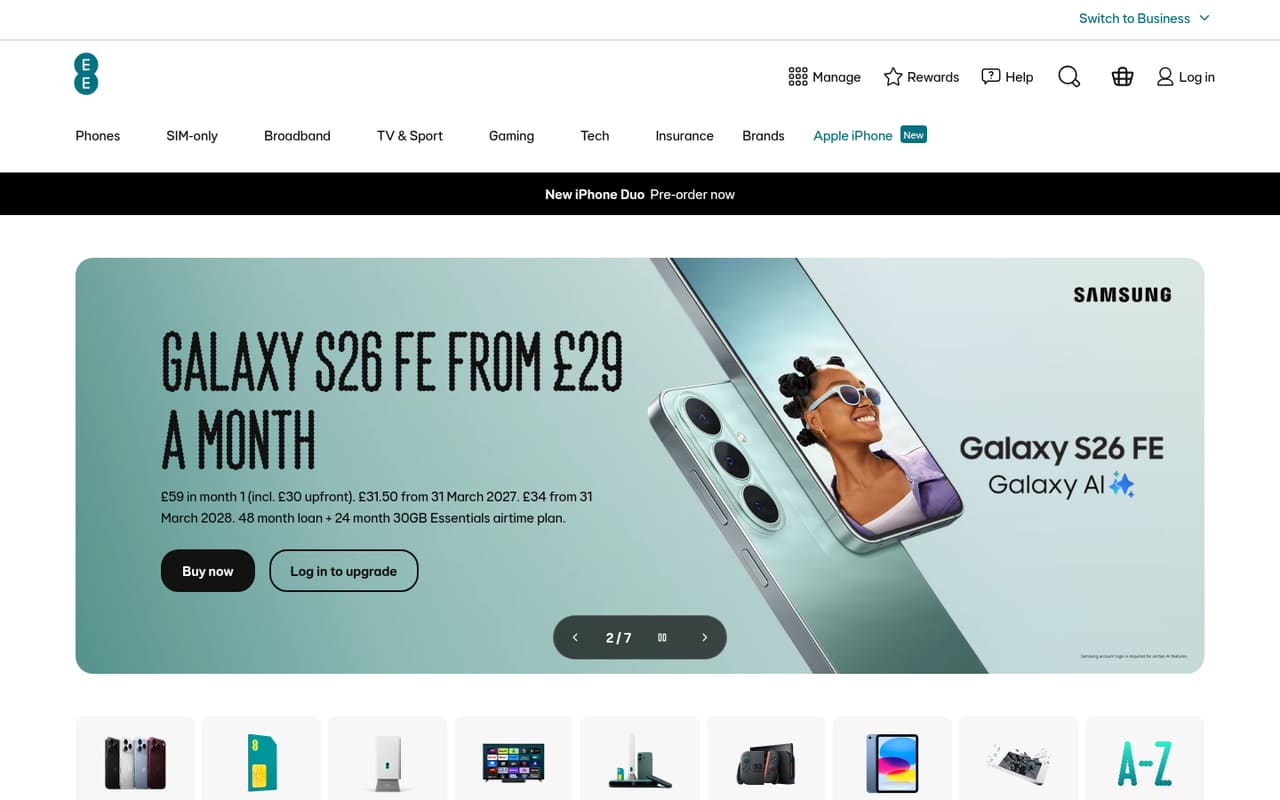
EE prints each future price rise in pounds and pence under the headline monthly price
EE · Homepage · £ as captured
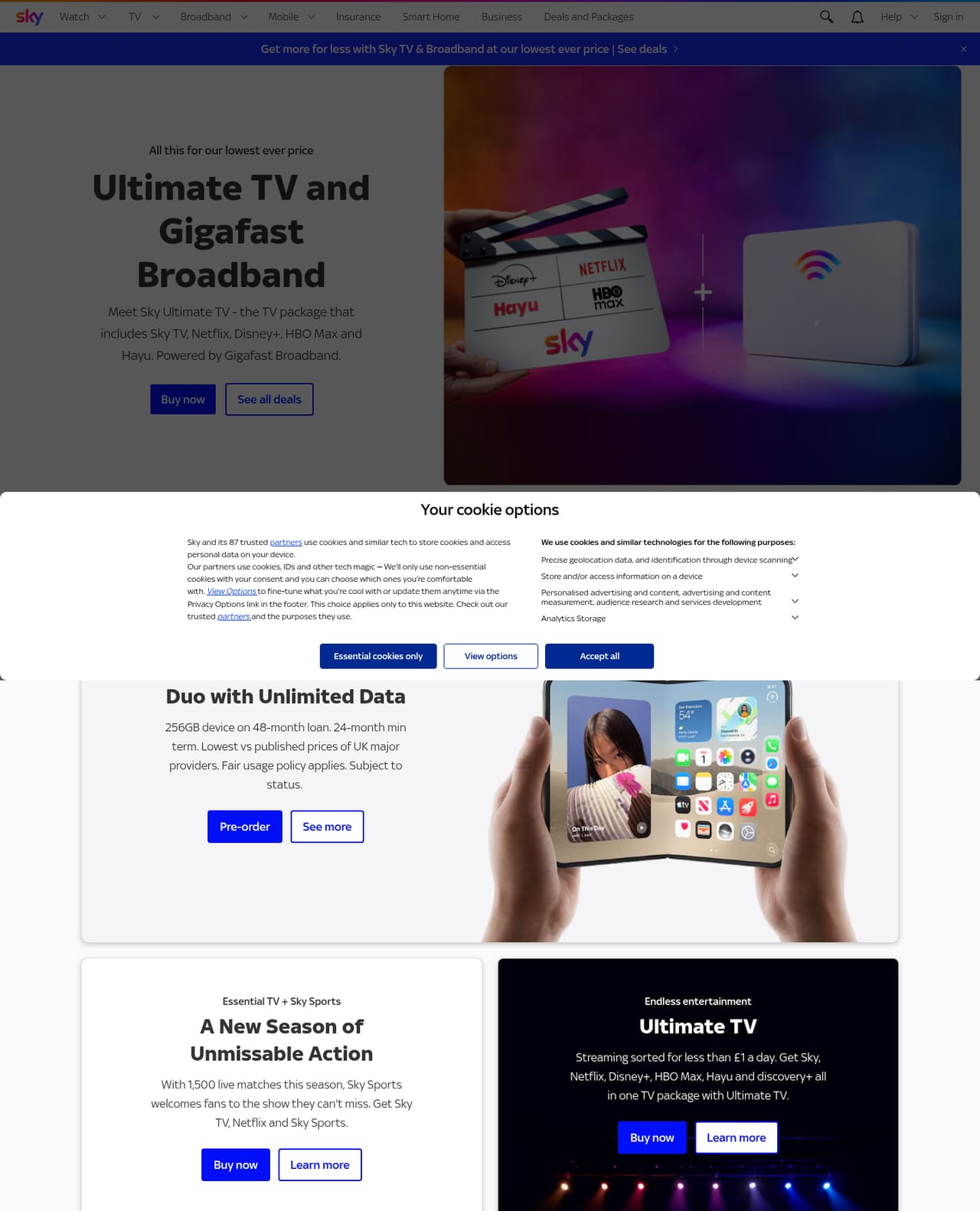
Sky frames Ultimate TV as "less than £1 a day" and bundles brand-name streamers
Sky · Homepage · £ as captured
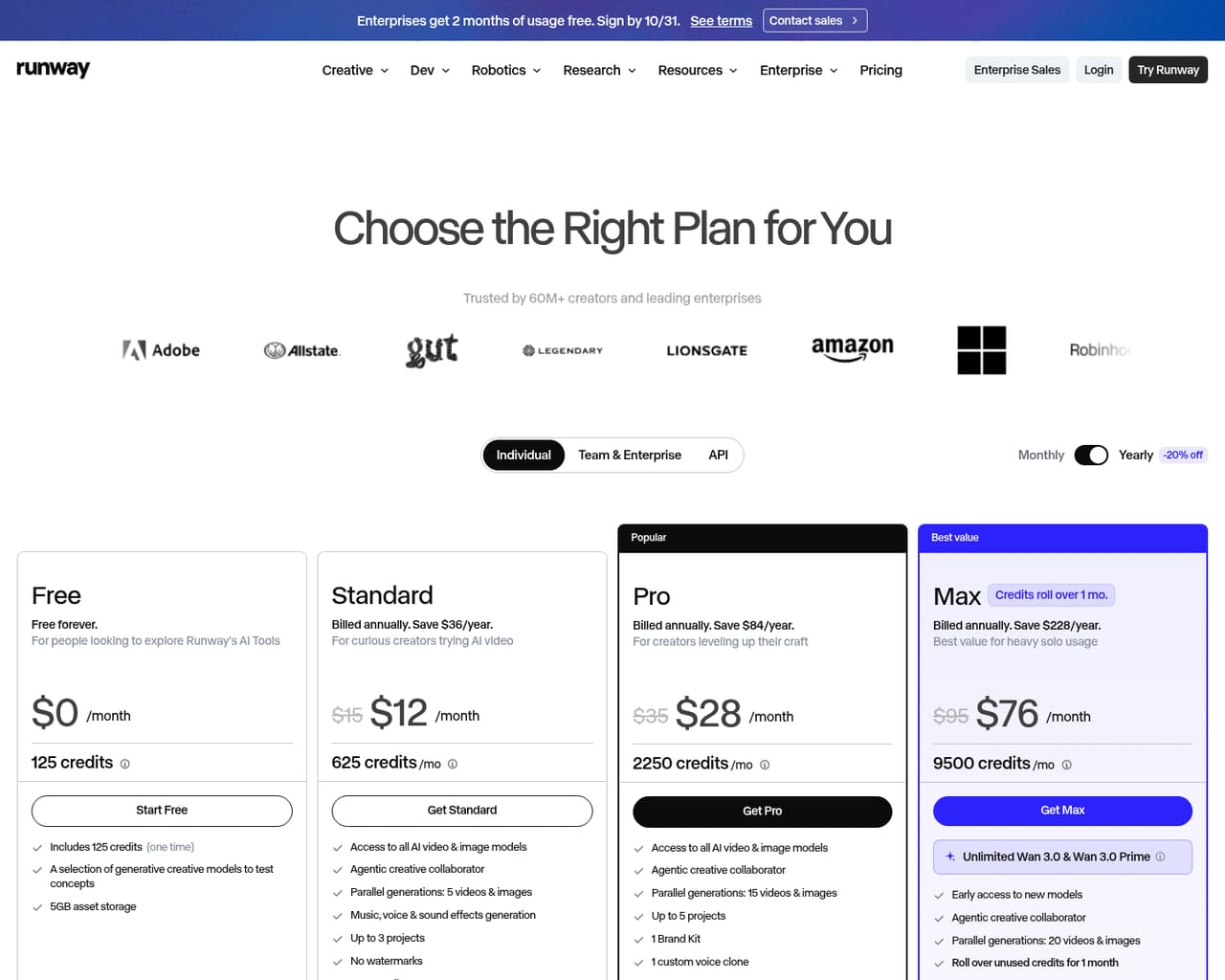
Runway translates credits into seconds of video and frames annual billing as "Save $84/year"
Runway · Pricing page · $ as captured
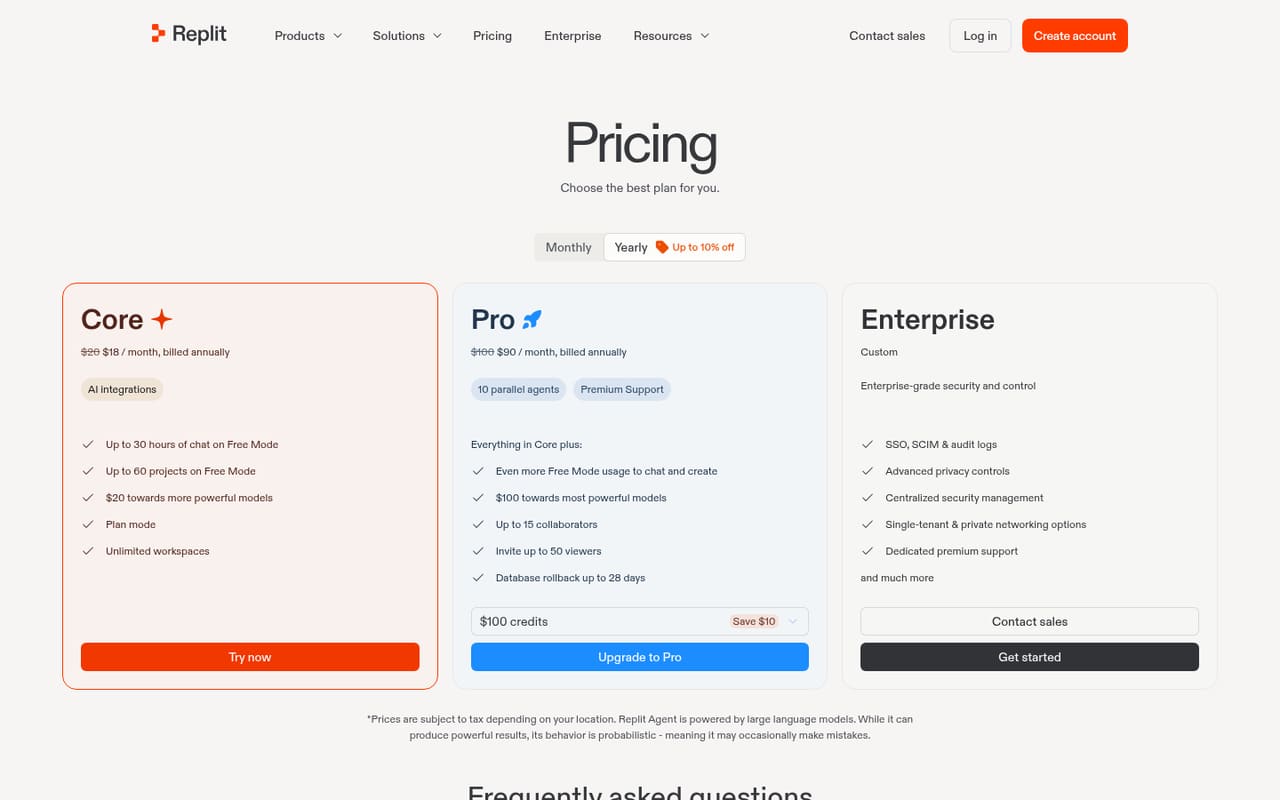
Replit shows "$20 $18 / month, billed annually" and bundles model credit into the price
Replit · Pricing page · $ as captured
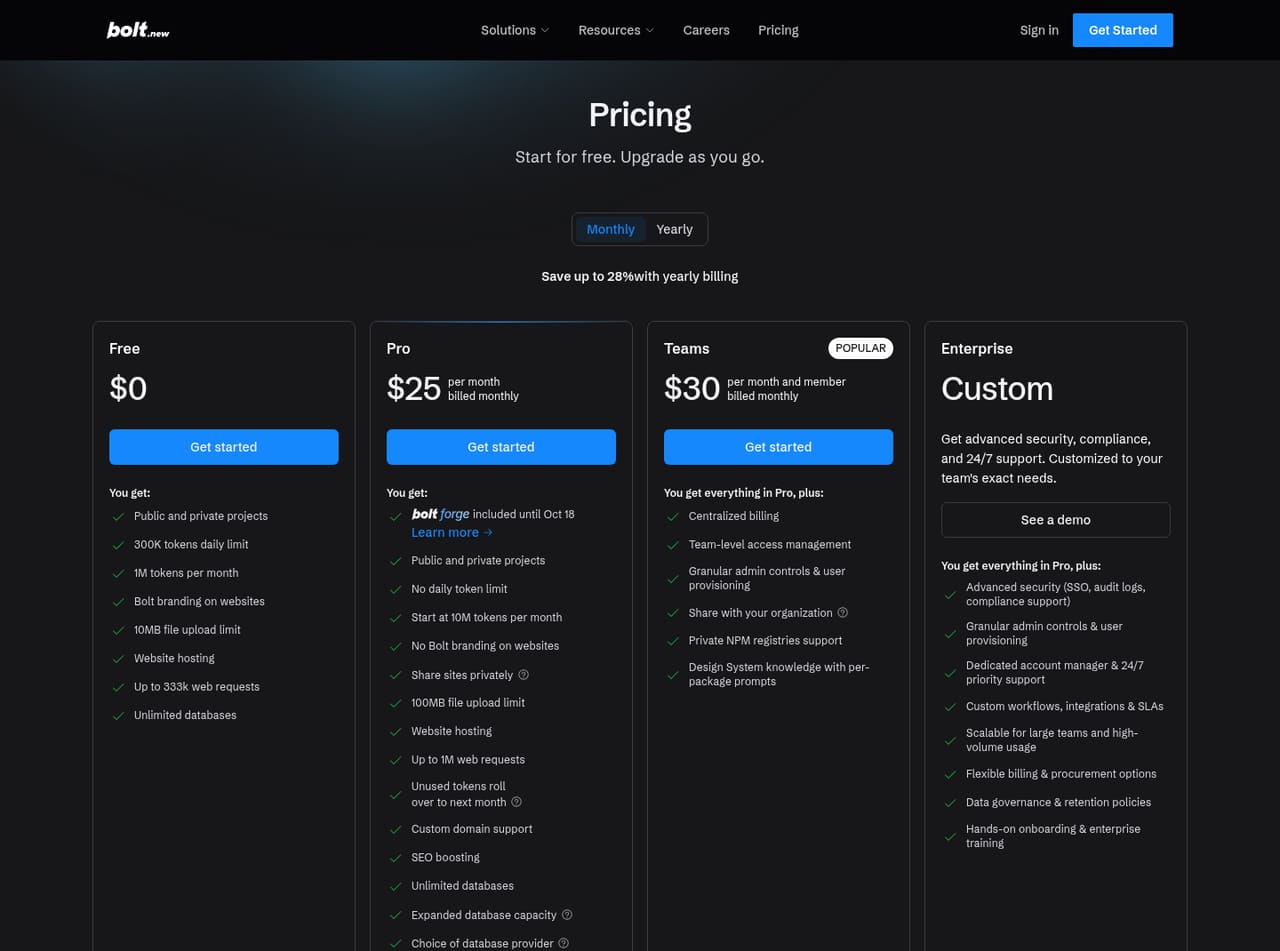
Bolt promises "Unused tokens roll over" and a "Save up to 28%" annual toggle
Bolt · Pricing page
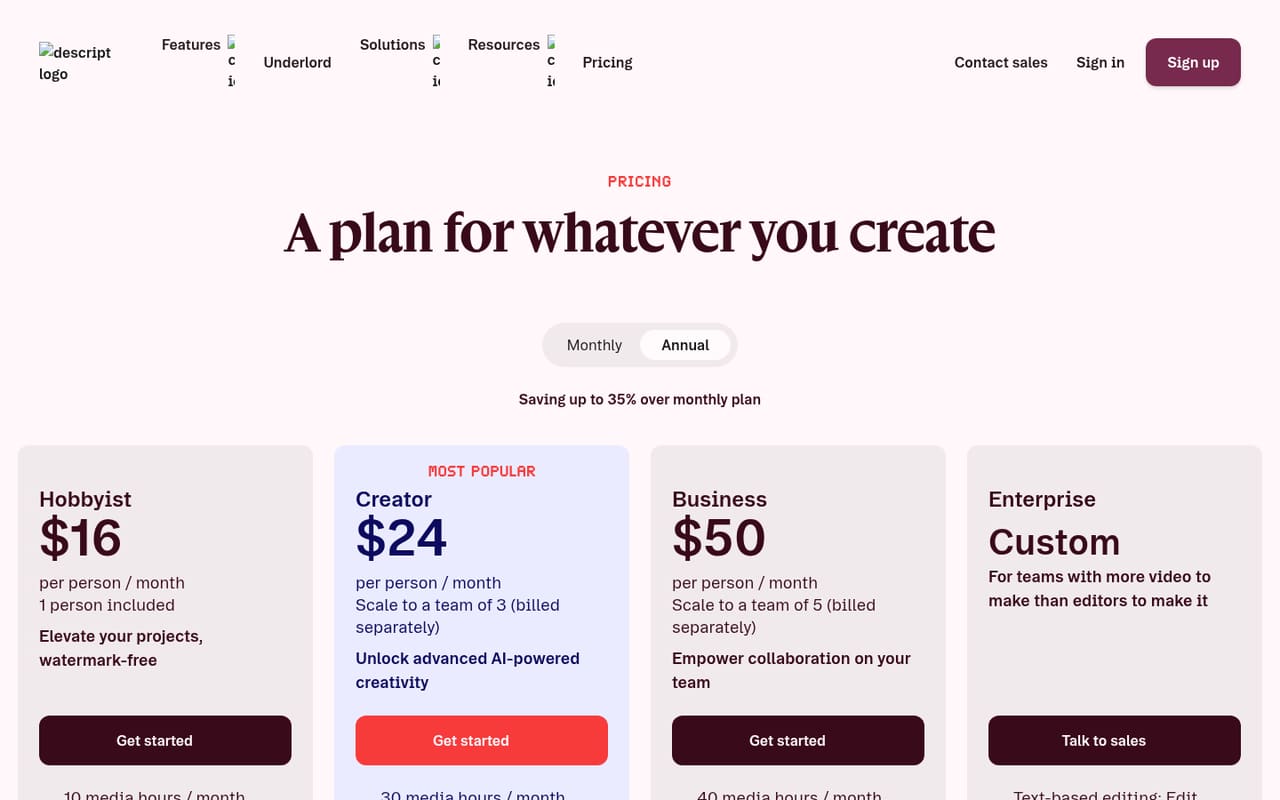
Descript tags its middle "Creator" plan "MOST POPULAR" with a struck monthly price
Descript · Pricing page · $ as captured
You left something in your cart.
The North Face keeps its abandoned-cart email to one job
The North Face · Email
5 new nudges, every Friday
Five real product and marketing moments, the psychology behind each, and one thing to try. Weekly issues start soon. Your email is stored with our email provider (Resend) and used only for this newsletter.