Biases › Risk
Risk
Endowment effect
Once something feels like ours, we value it more.
We value things more once they feel like ours.
Kahneman, Knetsch & Thaler (1990), Experimental tests of the endowment effect.
What is Endowment effect?
Endowment effect is a behavioural bias (risk family): we value things more once they feel like ours. Owners demand more to give something up than buyers would pay for it. Nudgeswipe rates the evidence as strong. Source: Kahneman, Knetsch & Thaler (1990), Experimental tests of the endowment effect.
The original study
Kahneman, Knetsch & Thaler (1990), Experimental tests of the endowment effect.
- Method
- Participants were randomly given a coffee mug or not, then markets were run for the mugs.
- What it found
- Owners asked substantially more to sell a mug than non-owners were willing to pay for one.
Replications and critiques
- Plott & Zeiler (2005) found the willingness-to-pay / willingness-to-accept gap disappeared under procedures designed to remove subject misconceptions. Source →
The research
Owners demand more to give something up than buyers would pay for it. Trials, saved work and personalised setups can create a sense of ownership before purchase.
● Strong evidence The WTA/WTP gap disappeared under controlled procedures (Plott & Zeiler, 2005).
Source: doi.org/10.1086/261737
Key takeaways
- Honest nudge
Let users build something of their own early.
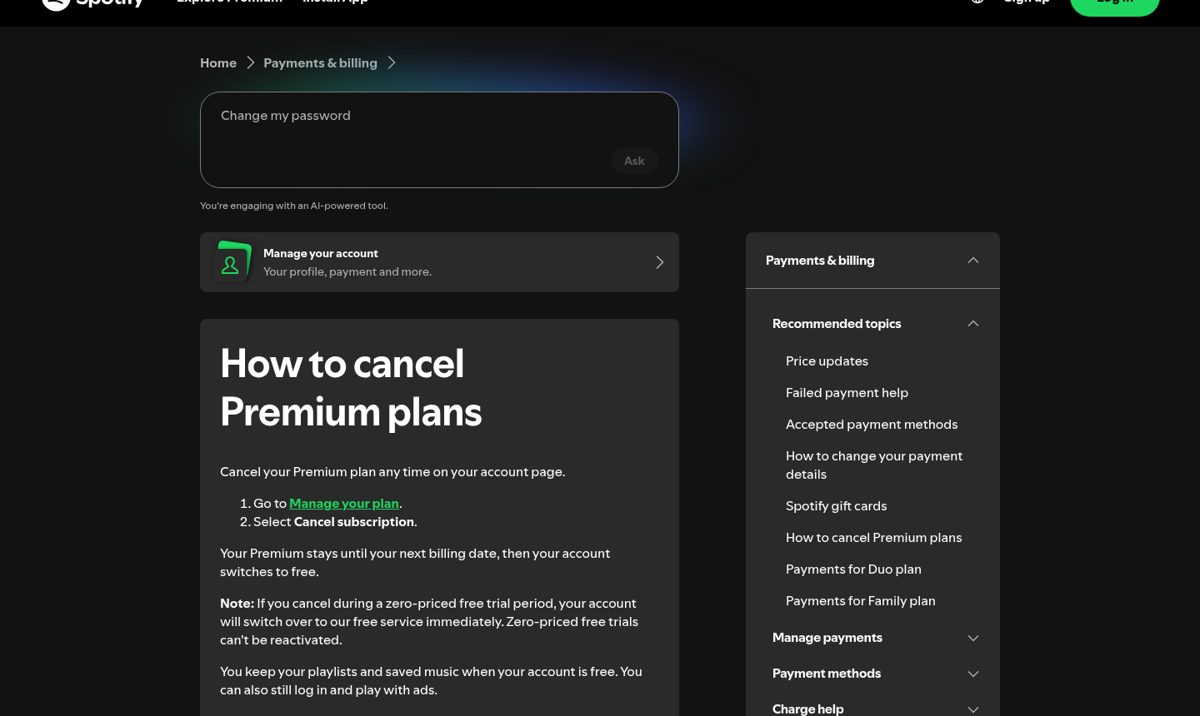
Example: Spotify's cancel article says you keep your playlists → - Dark-pattern line
Holding user data hostage to stop them leaving.
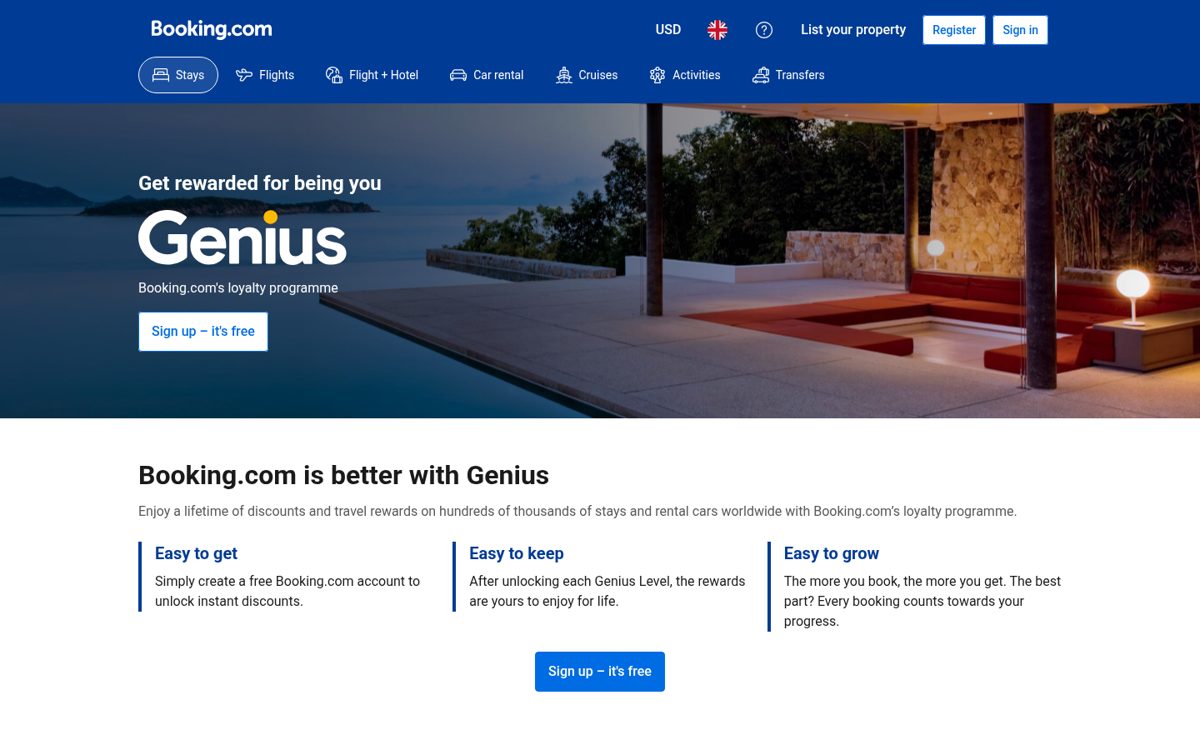
Grey-area example: Booking.com Genius: levels you keep 'for life' →
Use it
Apply this with your agent
The prompt carries this bias, its evidence rating and the honest-vs-dark line.
ChatGPT, Claude, Grok and Cursor open with the prompt filled in (it is also copied, in case the prefill doesn't load). Gemini and Codex don't support prefilled links, so the prompt is copied and the app opens; paste it in.
Frequently asked questions
What is Endowment effect?
Endowment effect is a behavioural bias: we value things more once they feel like ours.
How does Endowment effect work?
Owners demand more to give something up than buyers would pay for it. Trials, saved work and personalised setups can create a sense of ownership before purchase.
How strong is the evidence for Endowment effect?
Nudgeswipe rates it strong evidence. Original source: Kahneman, Knetsch & Thaler (1990), Experimental tests of the endowment effect.
How can you use Endowment effect honestly?
Let users build something of their own early.
When does Endowment effect become a dark pattern?
Holding user data hostage to stop them leaving.
Which brands use Endowment effect?
Nudgeswipe has 2 teardowns of brands using it, including Spotify, Booking.com. Whether it lifted their results is not public unless a teardown cites it.
In the wild
2 real examples
5 new nudges, every Friday
Five real product and marketing moments, the psychology behind each, and one thing to try. Weekly issues start soon. Your email is stored with our email provider (Resend) and used only for this newsletter.