Biases › Risk
Risk
Loss aversion
Losing something can sting more than gaining the same thing pleases.
Losses tend to loom larger than equivalent gains.
Kahneman & Tversky (1979), Prospect theory. Critique: Gal & Rucker (2018).
What is Loss aversion?
Loss aversion is a behavioural bias (risk family): losses tend to loom larger than equivalent gains. Framing an outcome as something you stand to lose (a streak, a discount) tends to motivate more than the same thing framed as a gain. Nudgeswipe rates the evidence as mixed. Source: Kahneman & Tversky (1979), Prospect theory. Critique: Gal & Rucker (2018).
The original study
Kahneman & Tversky (1979), Prospect theory. Critique: Gal & Rucker (2018).
- Method
- Choices between hypothetical gambles, used to build prospect theory.
- What it found
- People weighed potential losses more heavily than equal-sized gains.
Replications and critiques
The research
Framing an outcome as something you stand to lose (a streak, a discount) tends to motivate more than the same thing framed as a gain. How far this holds as a general law is debated, so treat it as a tendency, not a constant.
● Mixed evidence
Source: doi.org/10.2307/1914185 · doi.org/10.1002/jcpy.1047
Mixed evidence: effect sizes vary widely across studies. Treat it as something to test, not a law.
Key takeaways
- Honest nudge
Remind people of value they've built, and give a forgiving way to keep it.
Example: IKEA takes the regret out of buying furniture → - Dark-pattern line
Guilt-tripping and confirmshaming copy.
Grey-area example: Global Work & Travel frames its Early Bird as a way to "skip" a price increase →
Use it
Apply this with your agent
The prompt carries this bias, its evidence rating and the honest-vs-dark line.
ChatGPT, Claude, Grok and Cursor open with the prompt filled in (it is also copied, in case the prefill doesn't load). Gemini and Codex don't support prefilled links, so the prompt is copied and the app opens; paste it in.
Frequently asked questions
What is Loss aversion?
Loss aversion is a behavioural bias: losses tend to loom larger than equivalent gains.
How does Loss aversion work?
Framing an outcome as something you stand to lose (a streak, a discount) tends to motivate more than the same thing framed as a gain. How far this holds as a general law is debated, so treat it as a tendency, not a constant.
How strong is the evidence for Loss aversion?
Nudgeswipe rates it mixed evidence. Original source: Kahneman & Tversky (1979), Prospect theory. Critique: Gal & Rucker (2018).
How can you use Loss aversion honestly?
Remind people of value they've built, and give a forgiving way to keep it.
When does Loss aversion become a dark pattern?
Guilt-tripping and confirmshaming copy.
Which brands use Loss aversion?
Nudgeswipe has 8 teardowns of brands using it, including Duolingo, IKEA, MoneySuperMarket, Suno, Bolt. Whether it lifted their results is not public unless a teardown cites it.
In the wild
8 real examples
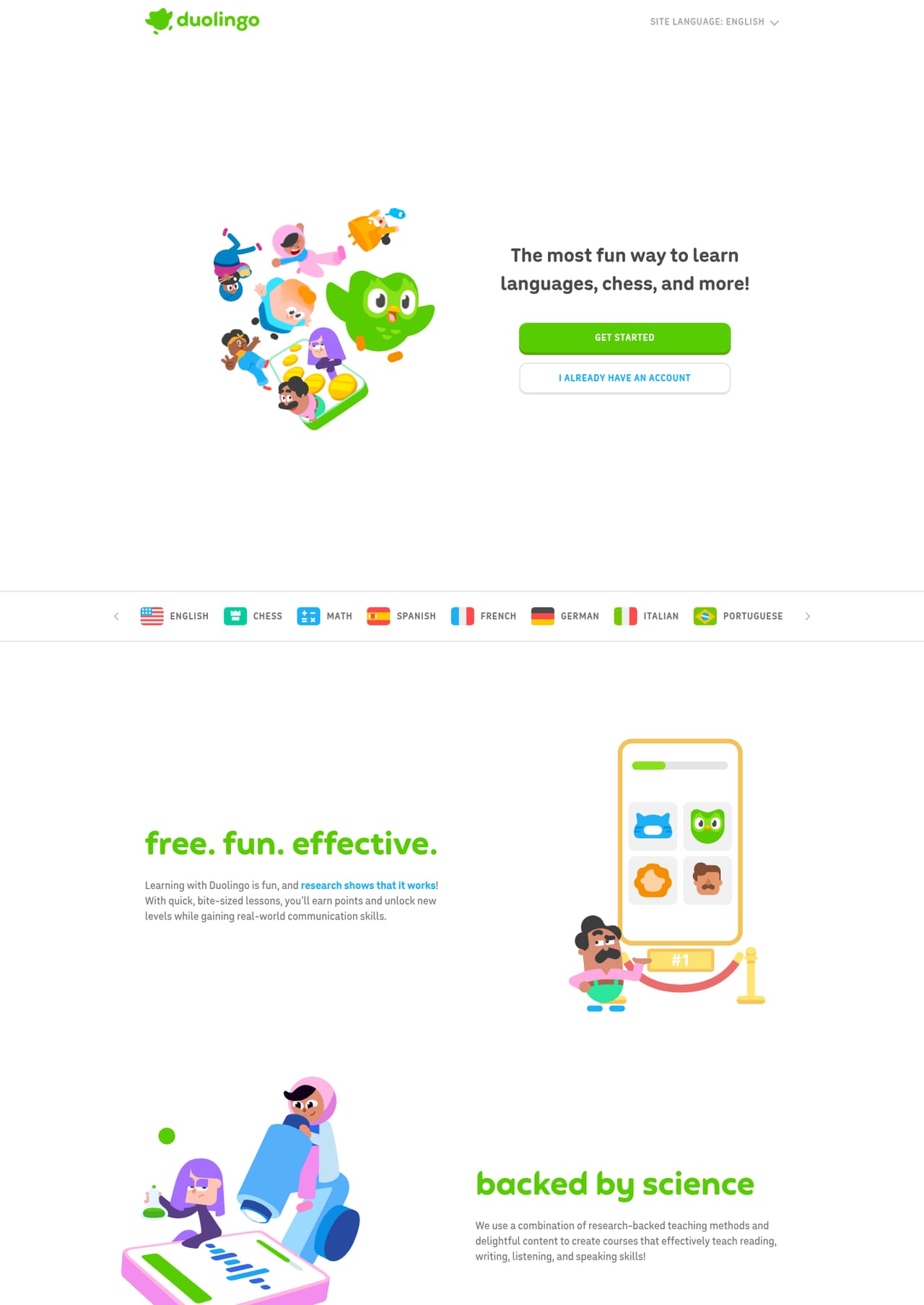
Duolingo explains its own streak in behavioural terms
Duolingo · Product / retention
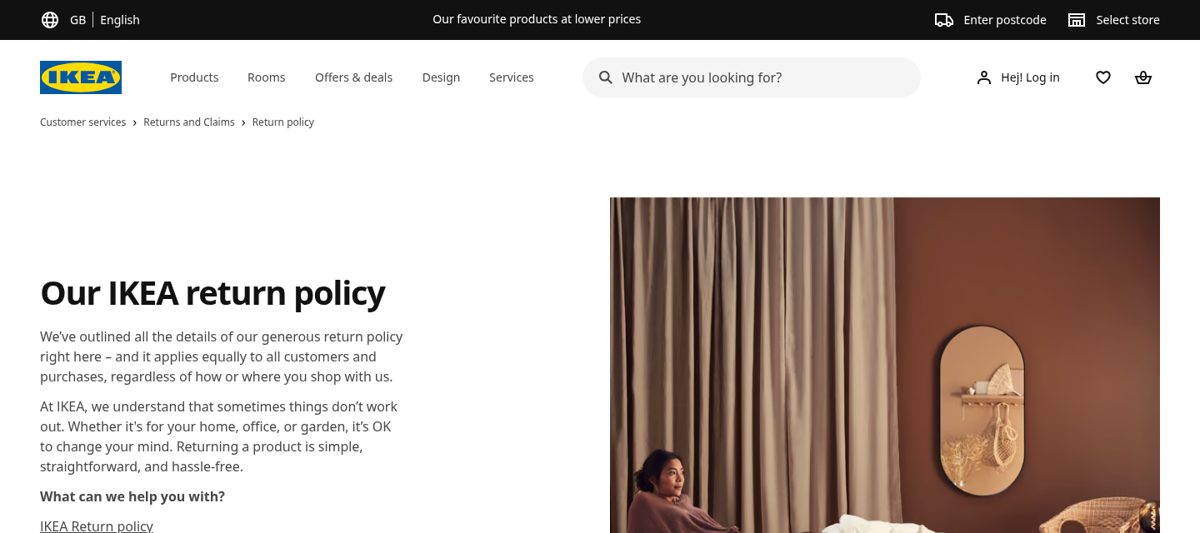
IKEA takes the regret out of buying furniture
IKEA · Checkout / policy
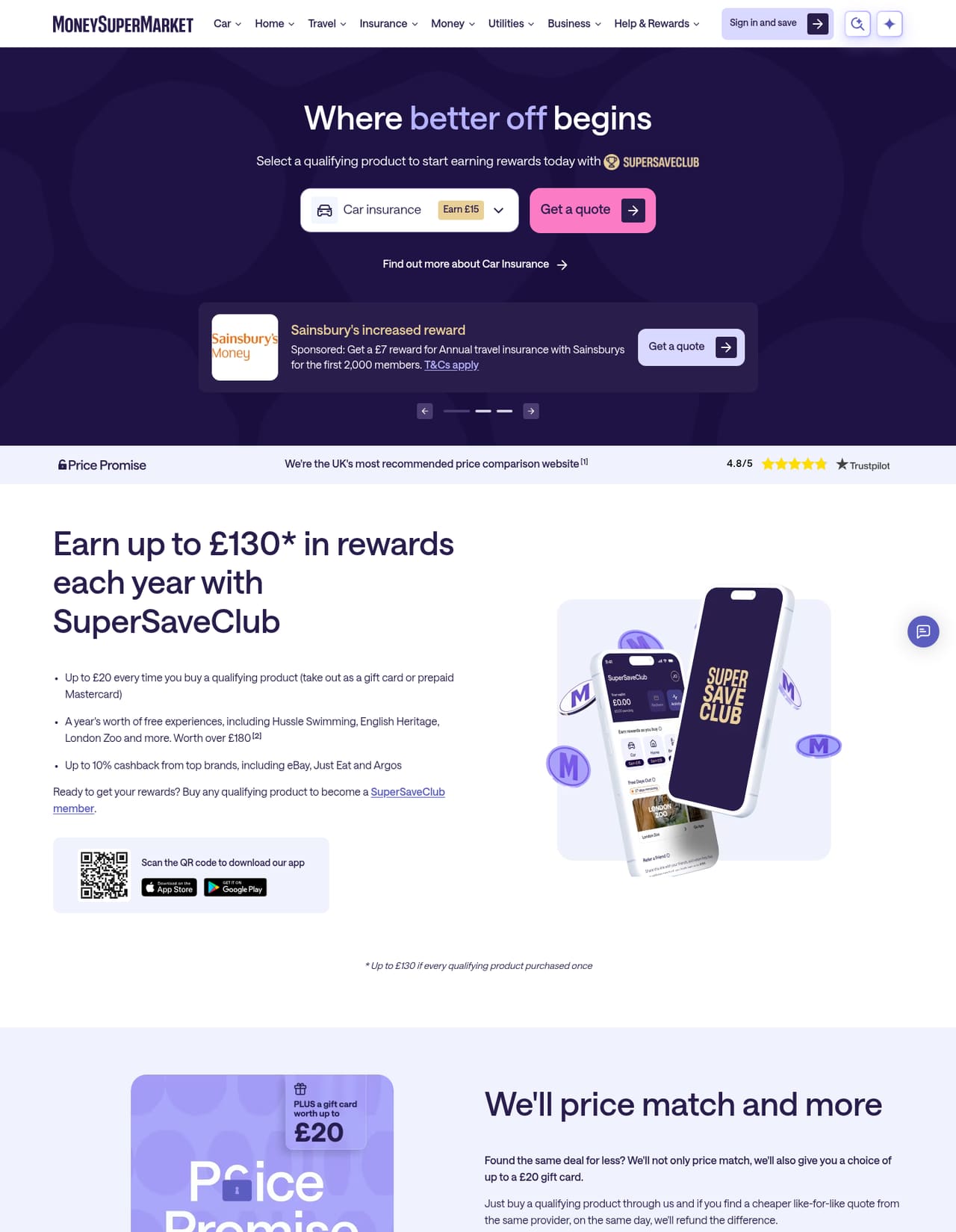
MoneySuperMarket attaches "Earn £15" to a quote and promises to price-match and more
MoneySuperMarket · Homepage · £ as captured
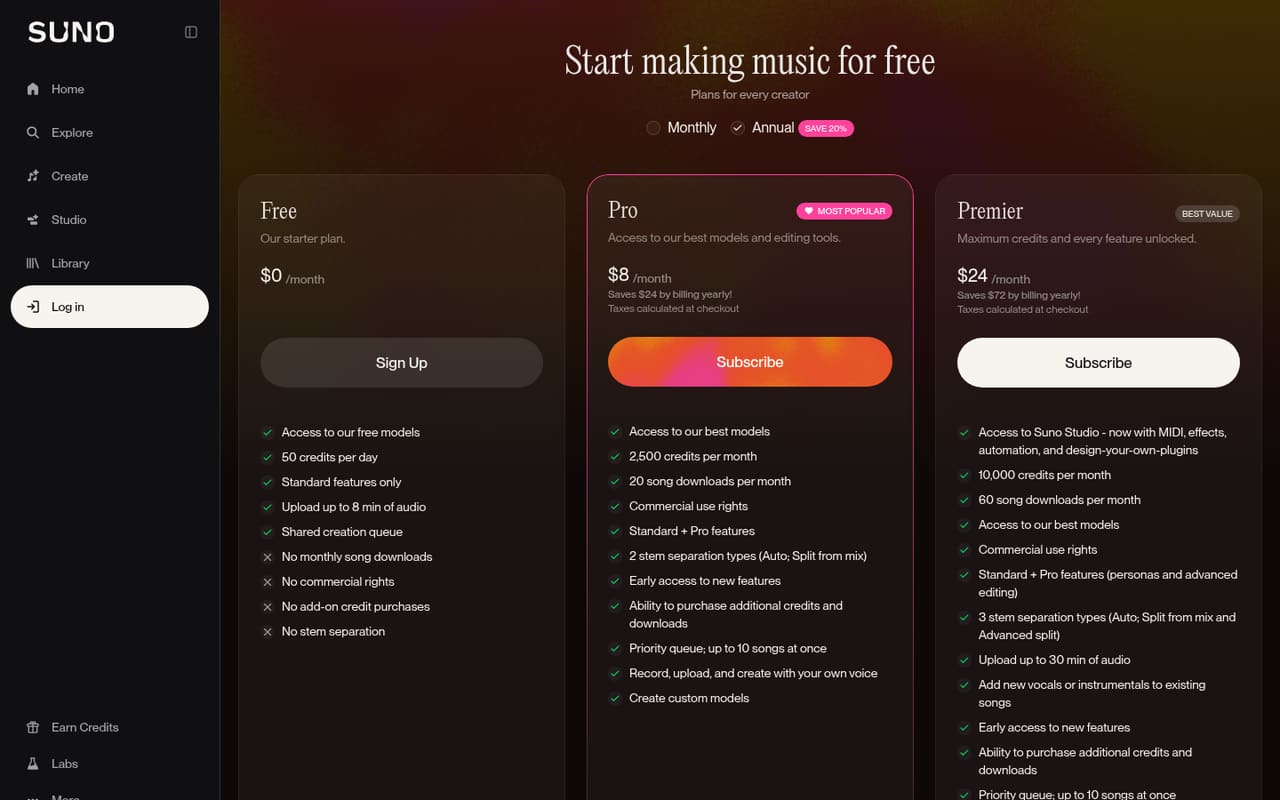
Suno's free plan is a list of "No…" lines; Pro is "MOST POPULAR", Premier "BEST VALUE"
Suno · Pricing page · $ as captured
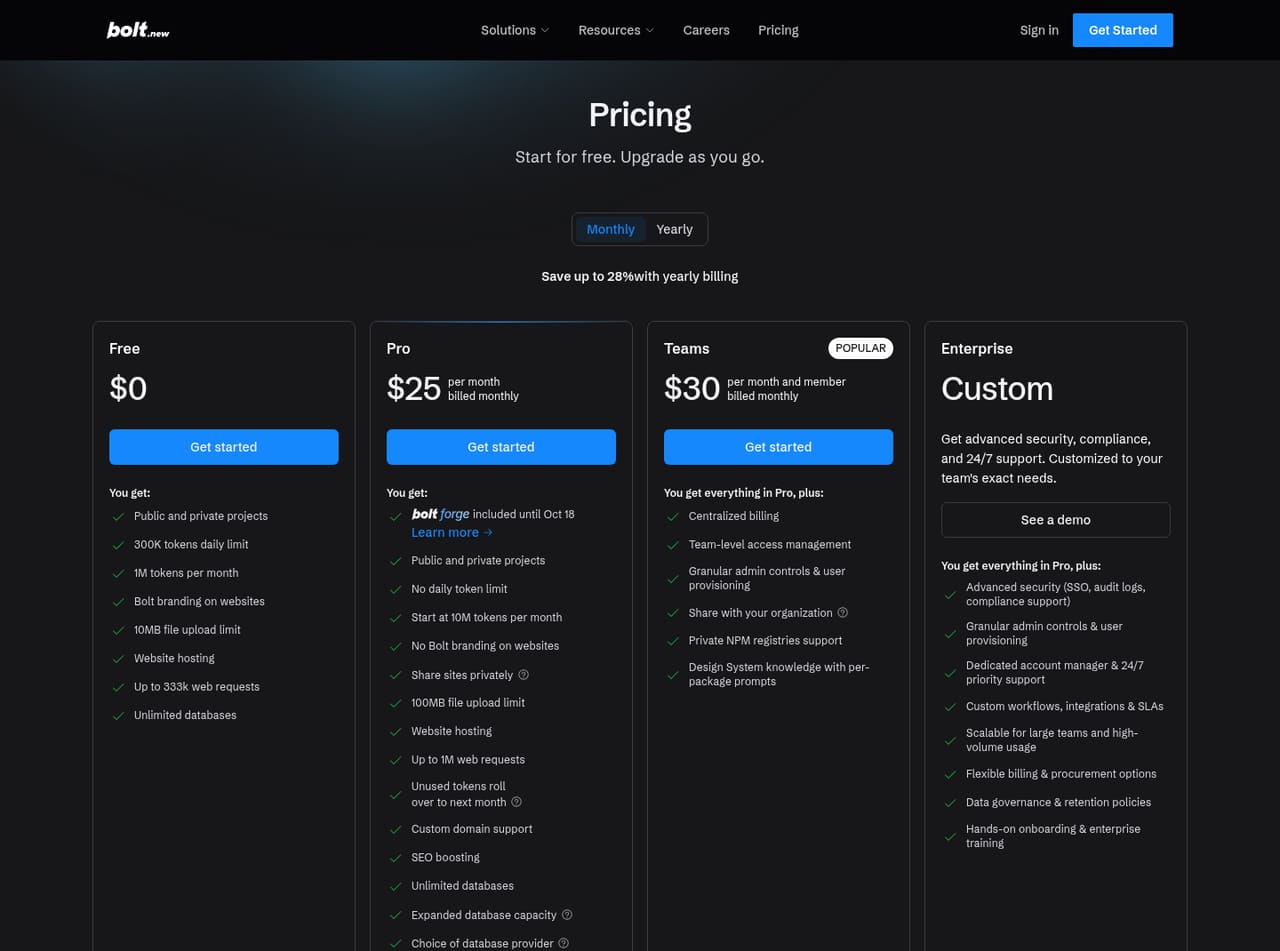
Bolt promises "Unused tokens roll over" and a "Save up to 28%" annual toggle
Bolt · Pricing page
20% Off Your Own Trail Mix Ends Tomorrow
20% Off Your Own Trail Mix Ends Today!
Nuts.com counts the deadline down in the subject line
Nuts.com · Email
Skip our annual price increase!
Global Work & Travel frames its Early Bird as a way to "skip" a price increase
Global Work & Travel · Email · $ as captured
Wolford Price Increase Looming, Shop & Save Today!
The Tight Spot asks "Why pay more later?" with old and new Wolford prices side by side
The Tight Spot · Email · £ as captured
5 new nudges, every Friday
Five real product and marketing moments, the psychology behind each, and one thing to try. Weekly issues start soon. Your email is stored with our email provider (Resend) and used only for this newsletter.