Teardowns › Homepages & product pages › Barnum effect
16Personalities promises a “freakishly accurate” description of who you are
If your result page feels personal, show what in the person’s own answers produced each line.
Step by step
- 1Barnum effect
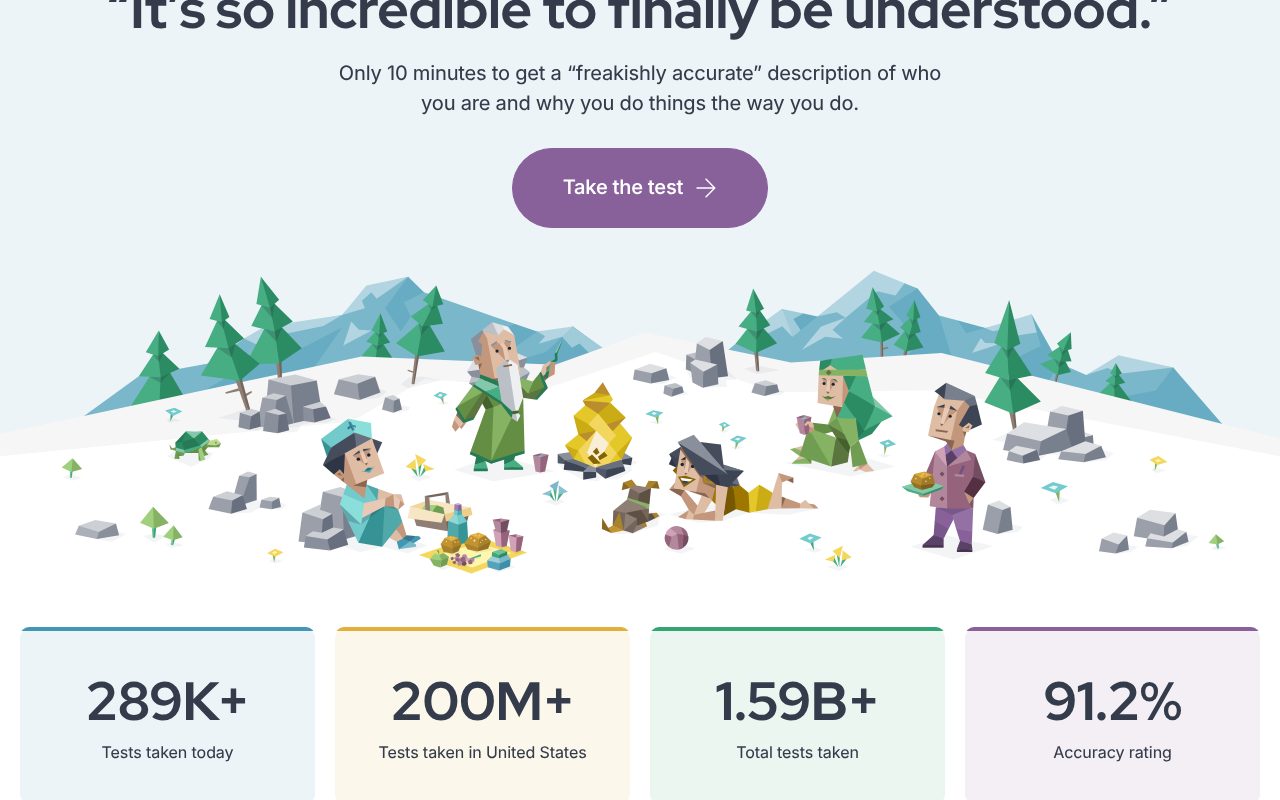
“Only 10 minutes to get a \”freakishly accurate\” description of who you are”
- 2Social proof
“91.2% Accuracy rating” beside “1.59B+ Total tests taken”.
5 new nudges, every Friday
Five real product and marketing moments, one thing to try from each, and the psychology behind it. Weekly issues start soon. Your email is stored with our email provider (Resend) and used only for this newsletter.
What to steal
- If your result page feels personal, show what in the person’s own answers produced each line.
- Say how an accuracy number was measured, on the same card as the number.
What to test next: Type description alone vs the same description with the answers that triggered each line. Measure how often people rate it accurate and share it.
In plain words
Why it works
16Personalities sells the feeling that a description fits you personally, which is the Barnum effect (Forer 1949): people rate general statements as accurate descriptions of themselves. The hero quote reads “It’s so incredible to finally be understood.” The line under it promises “Only 10 minutes to get a \”freakishly accurate\” description of who you are and why you do things the way you do.” A stat card shows “91.2% Accuracy rating” next to “1.59B+ Total tests taken”. Lower down, testimonials repeat the same idea: “I did not expect a profile so accurate.” The page also says “Our customers receive a reward for sharing their feedback, either positive or negative.” How the 91.2% is measured is not stated in the captured section. Whether the type descriptions fit people better than a generic description would is not public.
Honest nudge or dark pattern?
Grey area
Grey area: the test is free and fun, and the page says testimonials were rewarded. But “91.2% Accuracy rating” sits beside a promise of a “freakishly accurate” description, and the captured section does not say how accuracy was measured.
Sources: Captured by Nudgeswipe, 4 Nov 2026 (homepage, logged out)
Context
16Personalities homepage, logged out, on 4 Nov 2026. The counter card read “200M+ Tests taken in United States” on this capture, so the counters may change with location. The test itself is free; the site also sells reports and team assessments.
The research
The research behind it
● Strong evidence (provisional) · More on barnum effect, with sources →
Next: run it on your product
Try it on your own product
Opens your assistant with this teardown, our verdict and the steps above. It asks about your product first, then suggests tests you can run.
Read the prompt, or use another assistant
Grok and Cursor open with the prompt filled in. Gemini and Codex can’t take a prefilled link, so the prompt is copied and you paste it in.
Sources
- Our capture of 16personalities.com, 4 Nov 2026
- Forer (1949), The fallacy of personal validation: a classroom demonstration of gullibility. doi.org/10.1037/h0059240
- Captured by Nudgeswipe, 4 Nov 2026 (homepage, logged out): 16personalities.com
Related teardowns
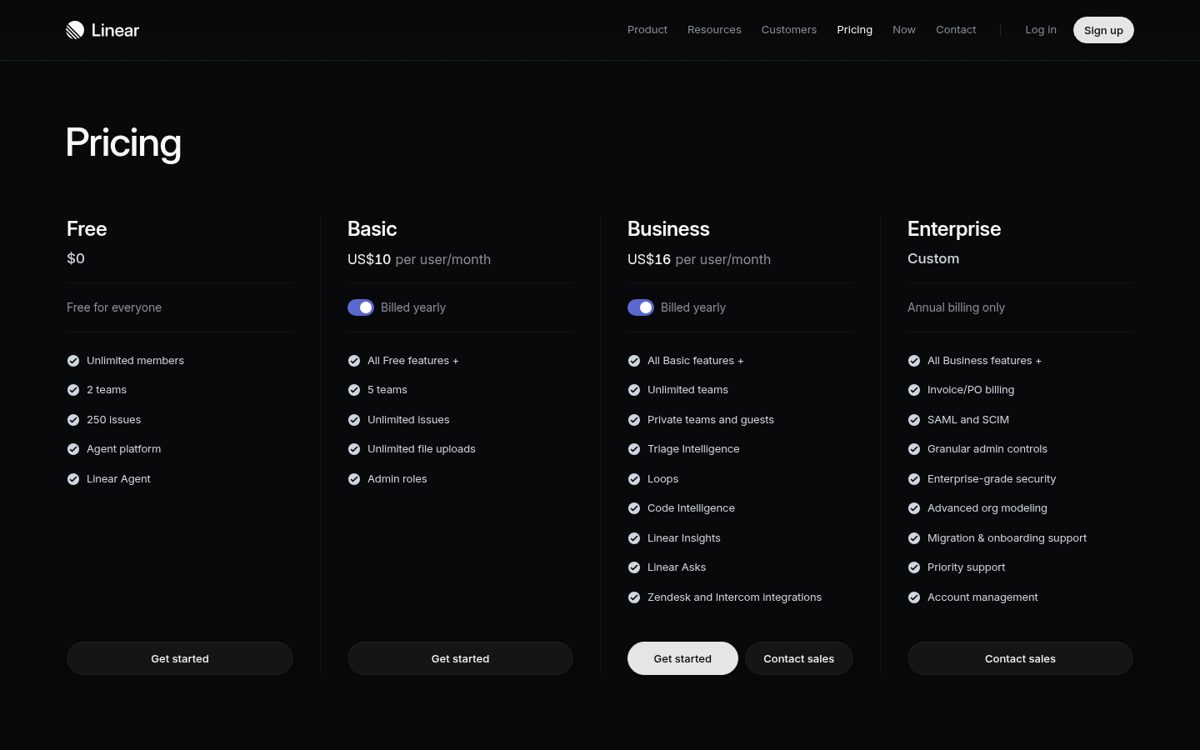
Linear’s pricing: ‘Free for everyone’ and 40,000 companies
Linear · Pricing page · $ as captured
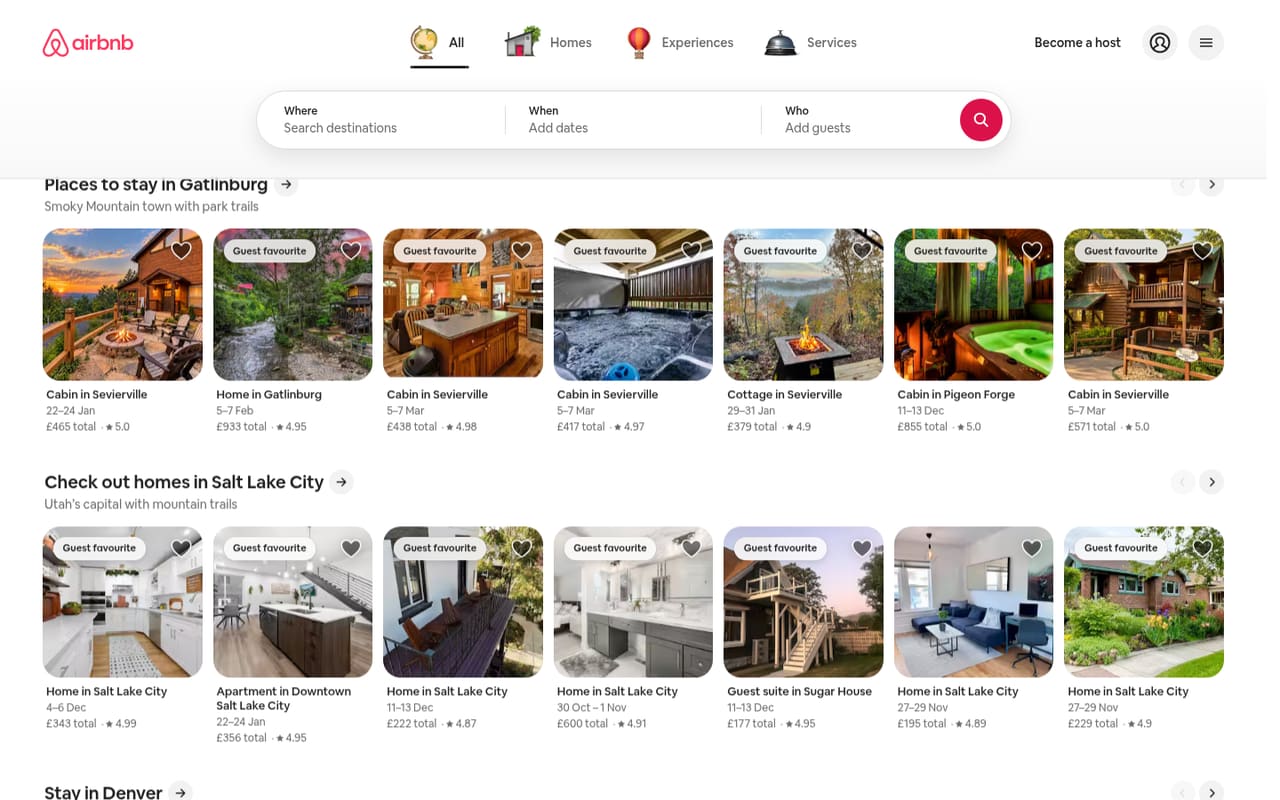
Airbnb shows the total price and a “Guest favourite” badge on every card
Airbnb · Homepage · £ as captured
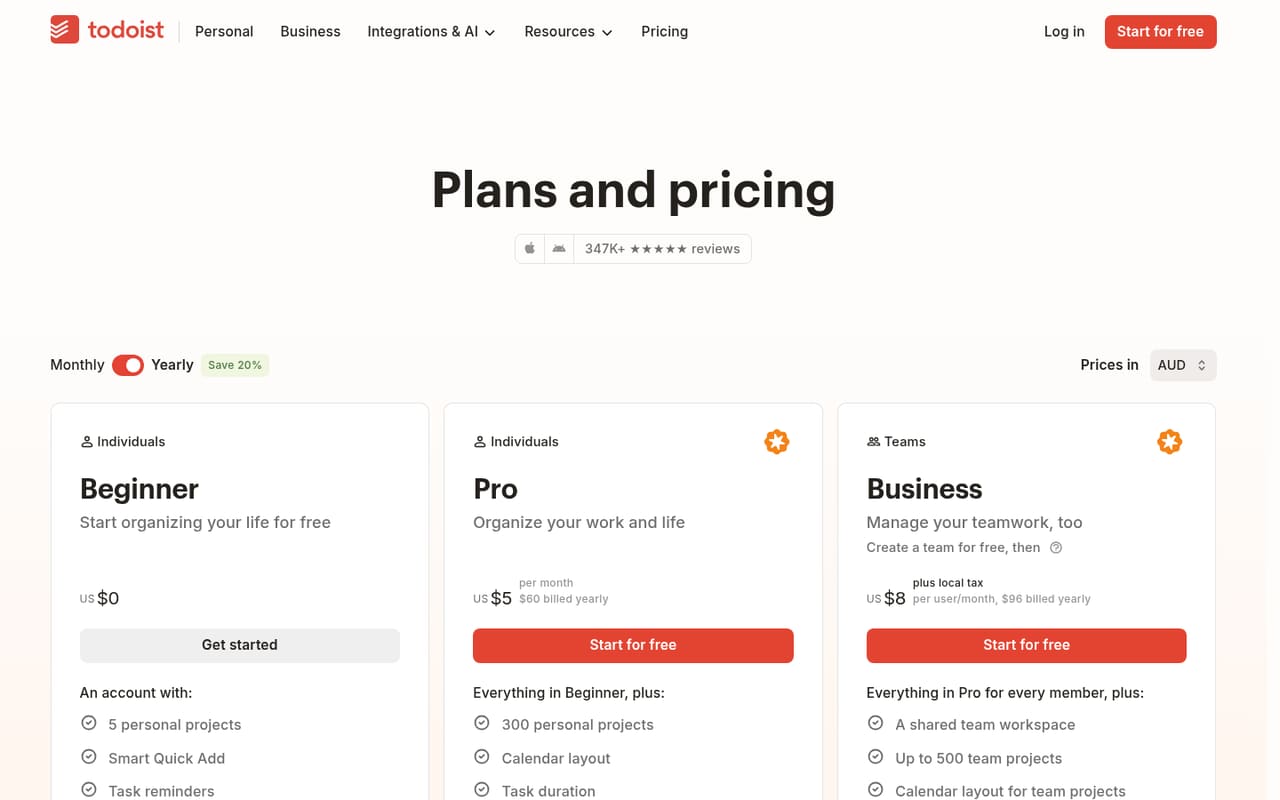
Todoist puts “347K+ ★★★★★ reviews” above its plans
Todoist · Pricing page
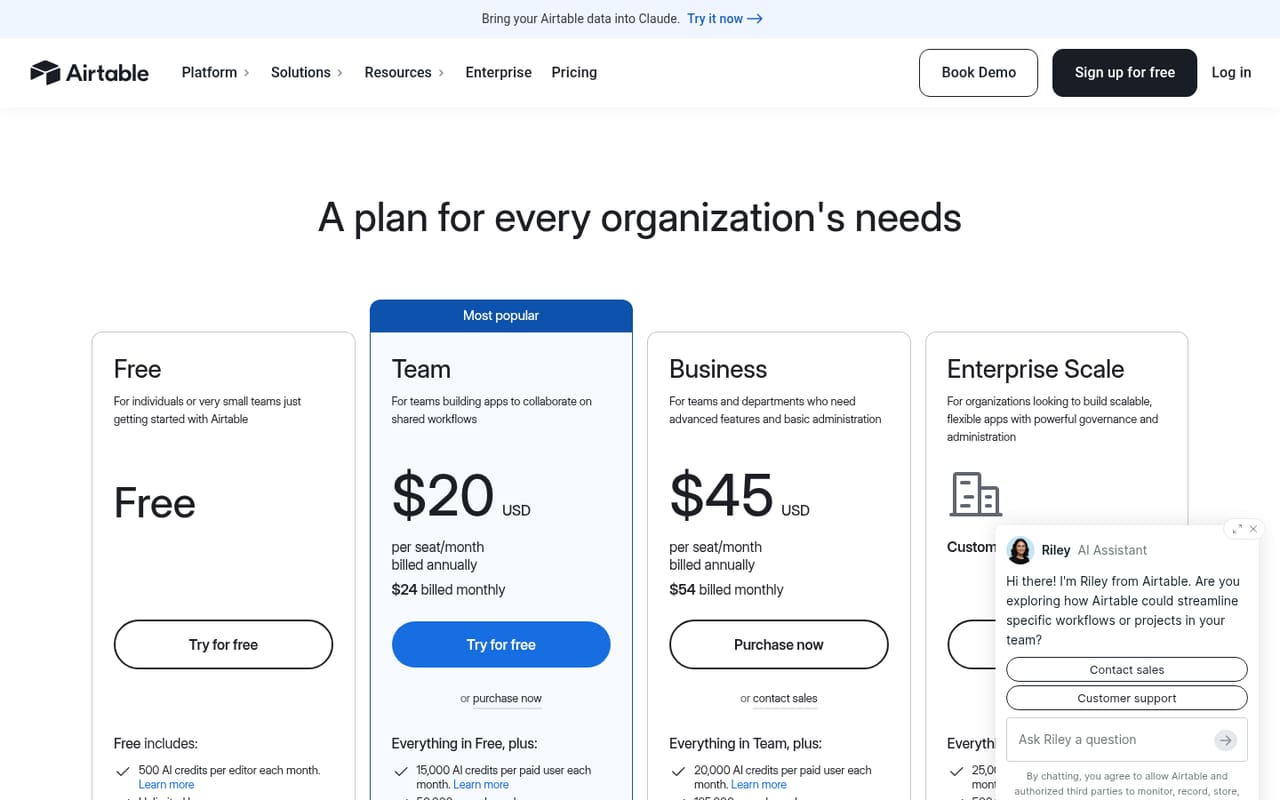
Airtable marks its Team plan “Most popular” between Free and Business
Airtable · Pricing page · $ as captured
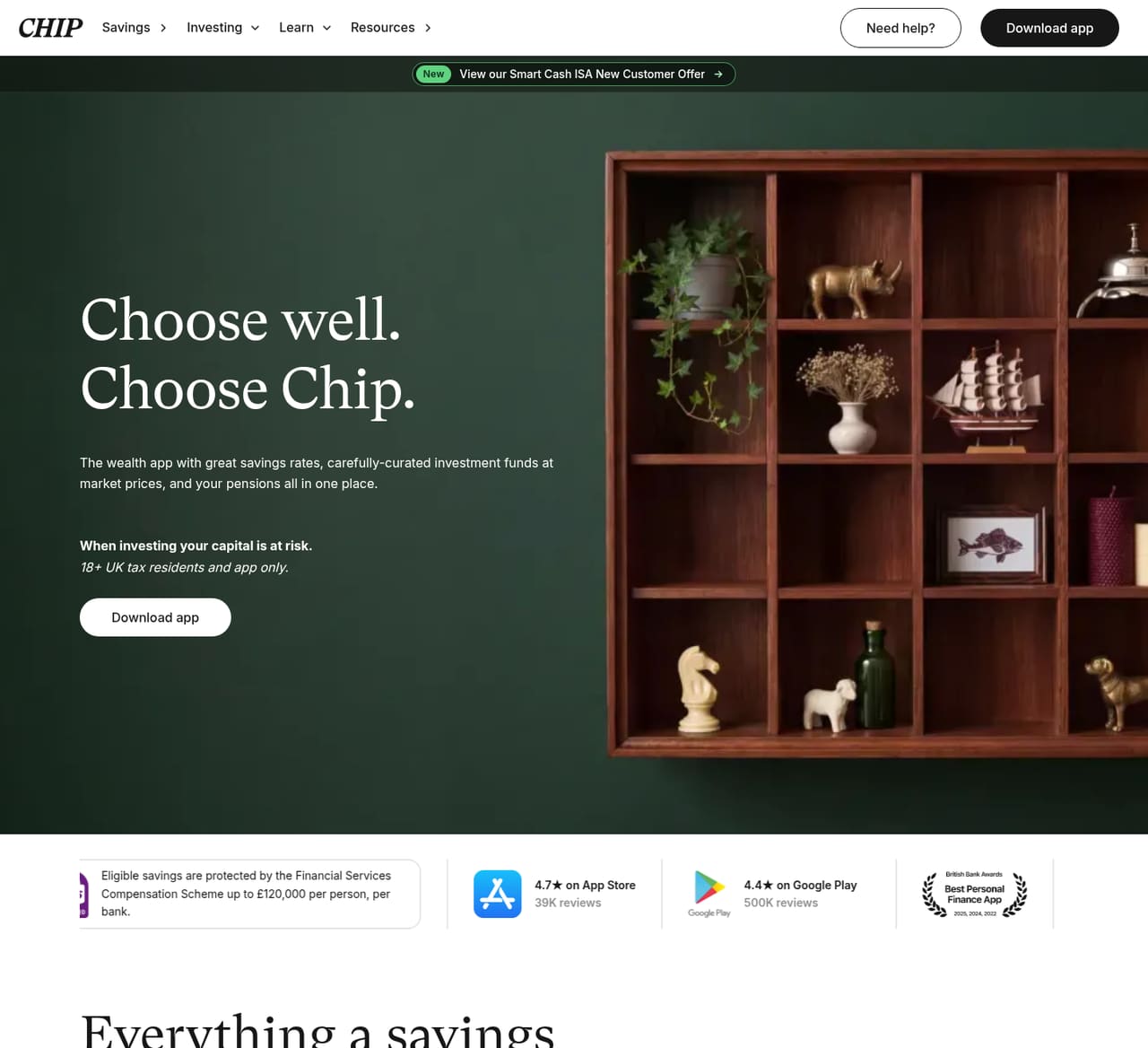
Chip leads with app-store ratings and the FSCS protection limit
Chip · Homepage · £ as captured
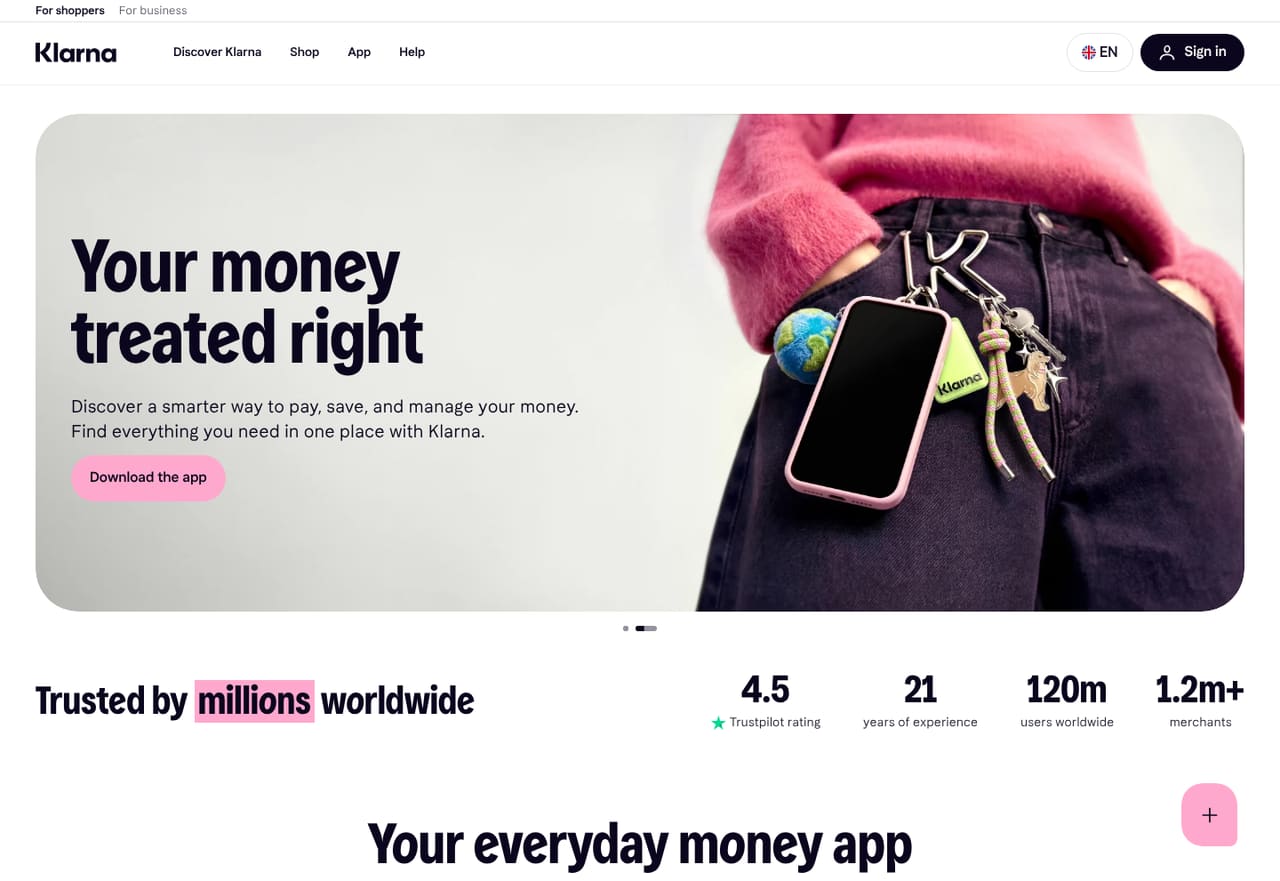
Klarna leads with “120m users” and a Trustpilot score
Klarna · Homepage
5 new nudges, every Friday
Five real product and marketing moments, one thing to try from each, and the psychology behind it. Weekly issues start soon. Your email is stored with our email provider (Resend) and used only for this newsletter.