Biases › Anchoring
Anchoring
Anchoring
The first number we see sets the scale for everything after.
An initial number, even an irrelevant one, pulls later estimates towards it.
Tversky & Kahneman (1974), Judgment under uncertainty: heuristics and biases.
What is Anchoring?
Anchoring is a behavioural bias (anchoring family): an initial number, even an irrelevant one, pulls later estimates towards it. People rarely judge a number on its own terms. Nudgeswipe rates the evidence as strong. Source: Tversky & Kahneman (1974), Judgment under uncertainty: heuristics and biases.
The original study
Tversky & Kahneman (1974), Judgment under uncertainty: heuristics and biases.
- Method
- Participants watched a wheel of fortune, rigged to stop at 10 or 65, then estimated the percentage of African countries in the United Nations.
- What it found
- Estimates were pulled towards the irrelevant number: median estimates were 25% after seeing 10 and 45% after seeing 65.
Replications and critiques
- Many Labs 1 (Klein et al., 2014) replicated 10 of 13 classic effects across 36 samples (6,344 people), and anchoring was among them. Note: Many Labs tested a different anchoring task (Jacowitz & Kahneman, 1995), not the wheel of fortune. Source →
The research
People rarely judge a number on its own terms. They start from whatever figure is in front of them and adjust, usually not far enough. In marketing, the first or largest number on screen sets the frame for everything after it.
● Strong evidence
Also covers: Contrast effect (Kenrick & Gutierres (1980), Contrast effects and judgments of physical attractiveness: When beauty becomes a social problem. doi.org/10.1037/0022-3514.38.1.131)
Key takeaways
- Honest nudge
Show the number you want to be the reference point first, and make it honest and relevant.
Example: Claude leads with the annual-discount price and spells out the monthly one beside it → - Dark-pattern line
Leading with an "up to" maximum that few customers will ever get.
Grey-area example: Apple anchors trade-in value at the top of a range →
Use it
Apply this with your agent
The prompt carries this bias, its evidence rating and the honest-vs-dark line.
ChatGPT, Claude, Grok and Cursor open with the prompt filled in (it is also copied, in case the prefill doesn't load). Gemini and Codex don't support prefilled links, so the prompt is copied and the app opens; paste it in.
Frequently asked questions
What is Anchoring?
Anchoring is a behavioural bias: an initial number, even an irrelevant one, pulls later estimates towards it.
How does Anchoring work?
People rarely judge a number on its own terms. They start from whatever figure is in front of them and adjust, usually not far enough. In marketing, the first or largest number on screen sets the frame for everything after it.
How strong is the evidence for Anchoring?
Nudgeswipe rates it strong evidence. Original source: Tversky & Kahneman (1974), Judgment under uncertainty: heuristics and biases.
How can you use Anchoring honestly?
Show the number you want to be the reference point first, and make it honest and relevant.
When does Anchoring become a dark pattern?
Leading with an "up to" maximum that few customers will ever get.
Which brands use Anchoring?
Nudgeswipe has 6 teardowns of brands using it, including Apple, Claude (Anthropic), Revolut, Compare the Market, Uswitch. Whether it lifted their results is not public unless a teardown cites it.
In the wild
6 real examples
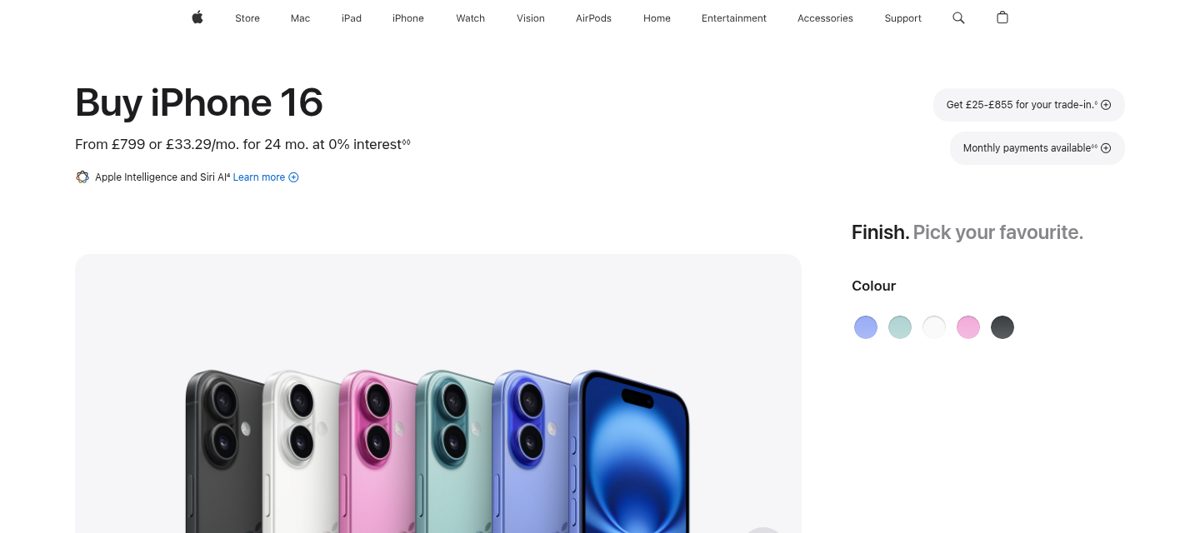
Apple anchors trade-in value at the top of a range
Apple · Product page · £ as captured
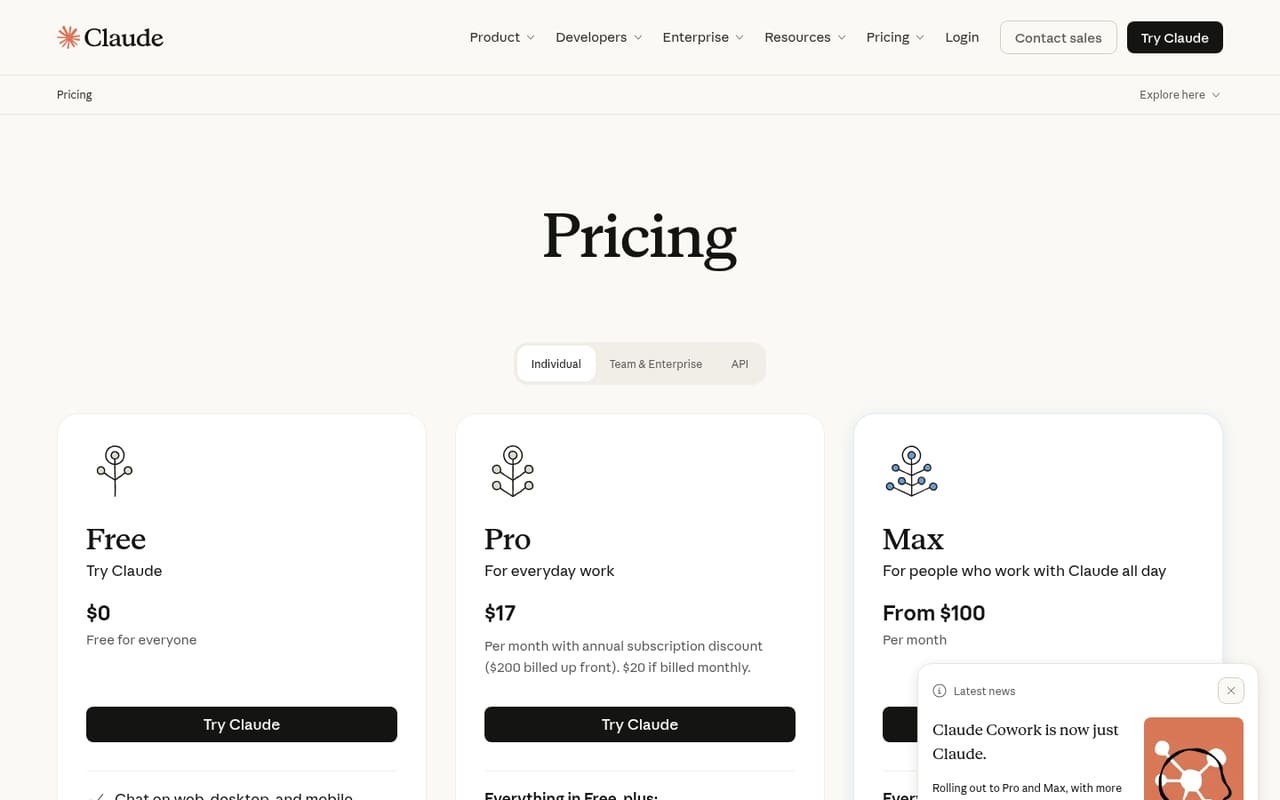
Claude leads with the annual-discount price and spells out the monthly one beside it
Claude (Anthropic) · Pricing page · $ as captured
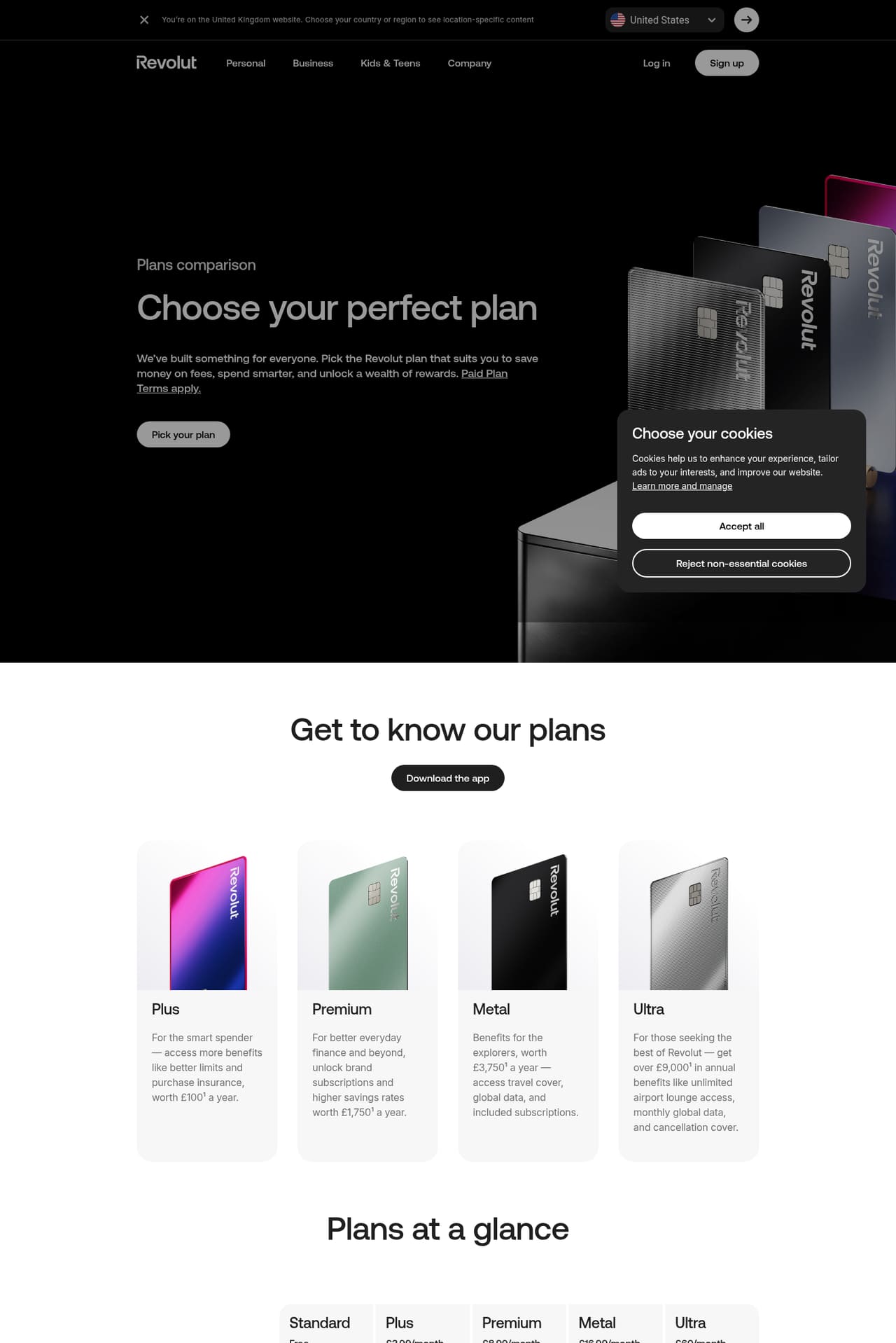
Revolut prices each plan against a much bigger "worth £… a year" figure
Revolut · Pricing page · £ as captured
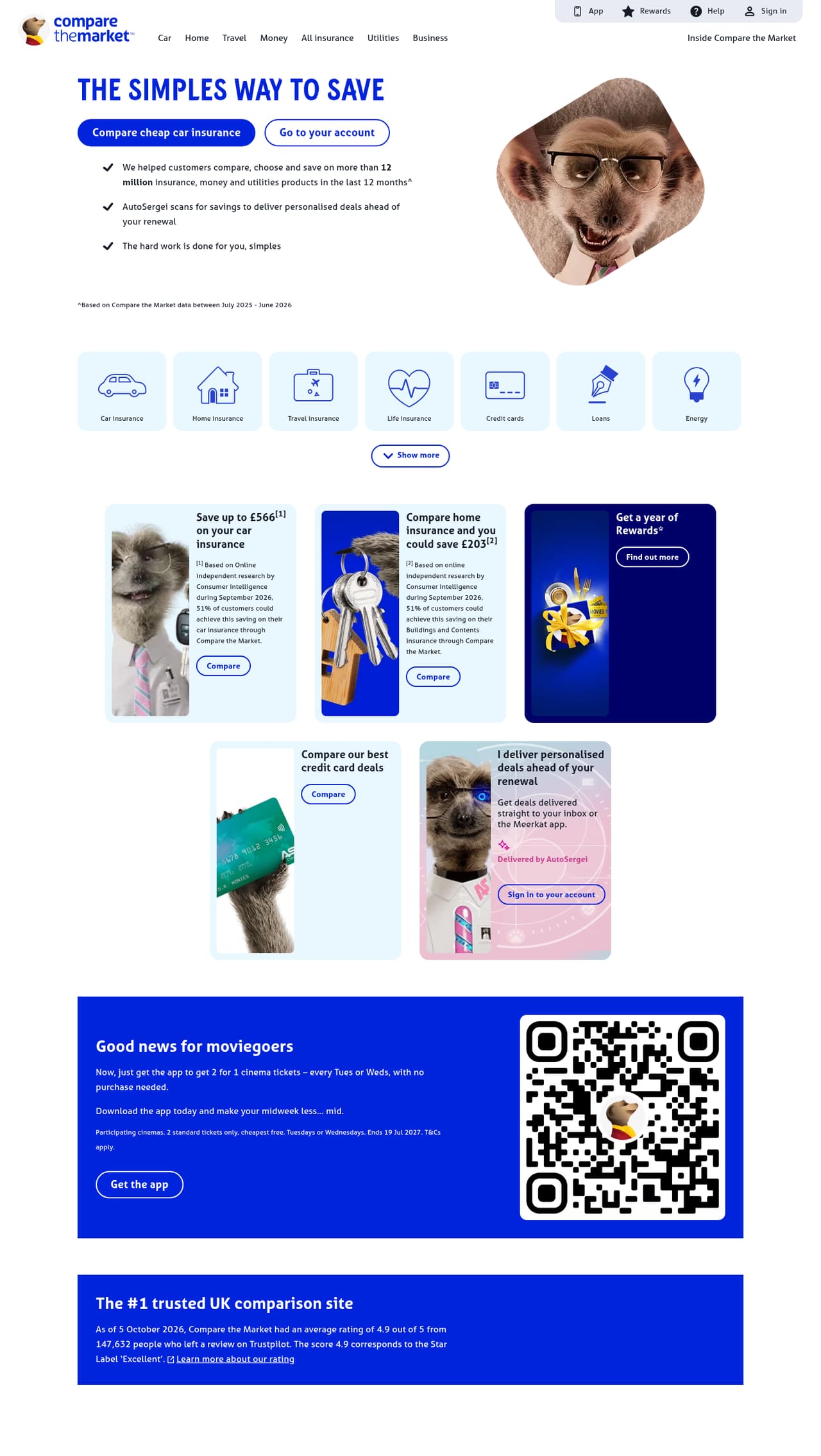
Compare the Market leads with "Save up to £566" and footnotes that 51% could achieve it
Compare the Market · Homepage · £ as captured
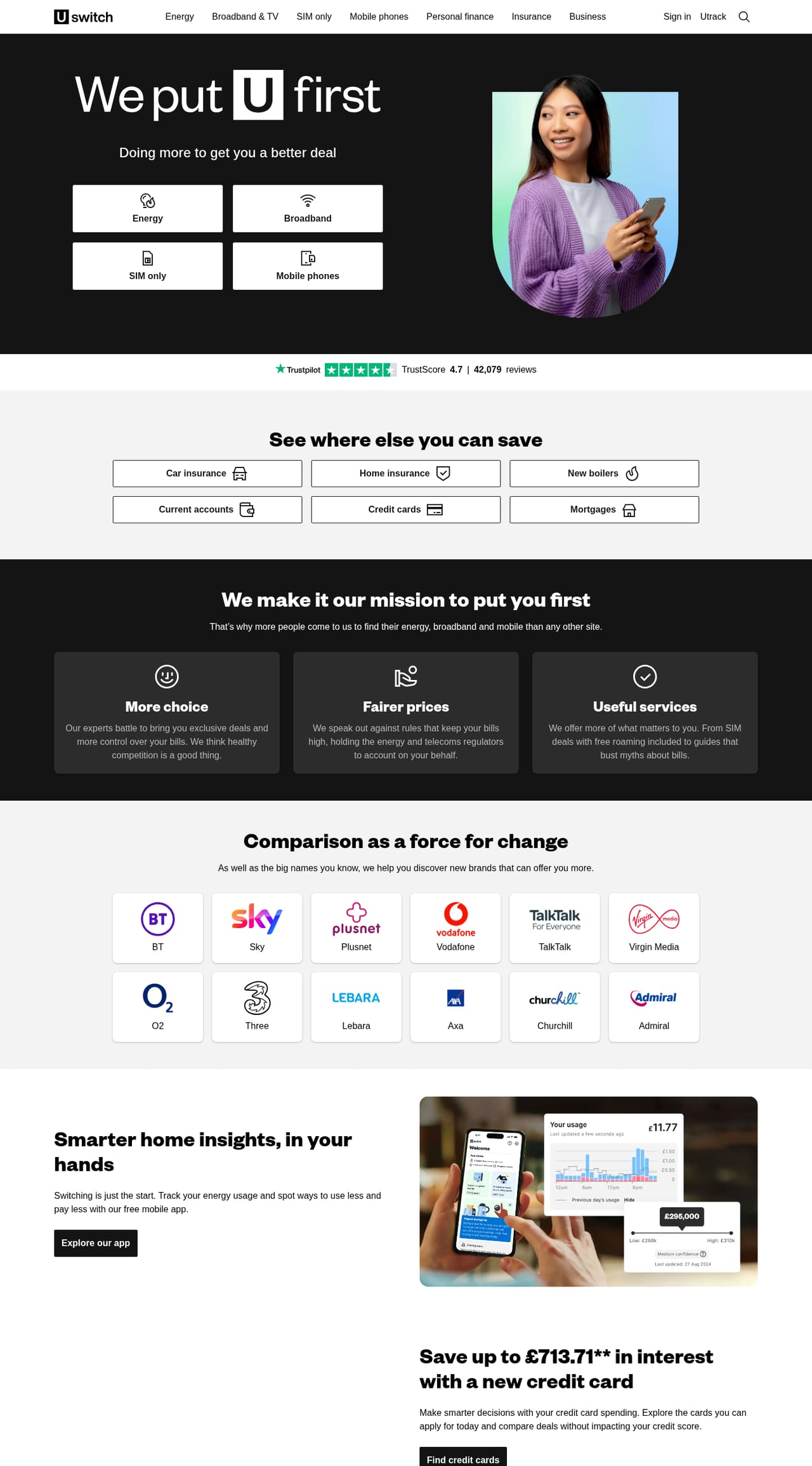
Uswitch gives its reasons ("That's why more people come to us") under a TrustScore
Uswitch · Homepage · £ as captured
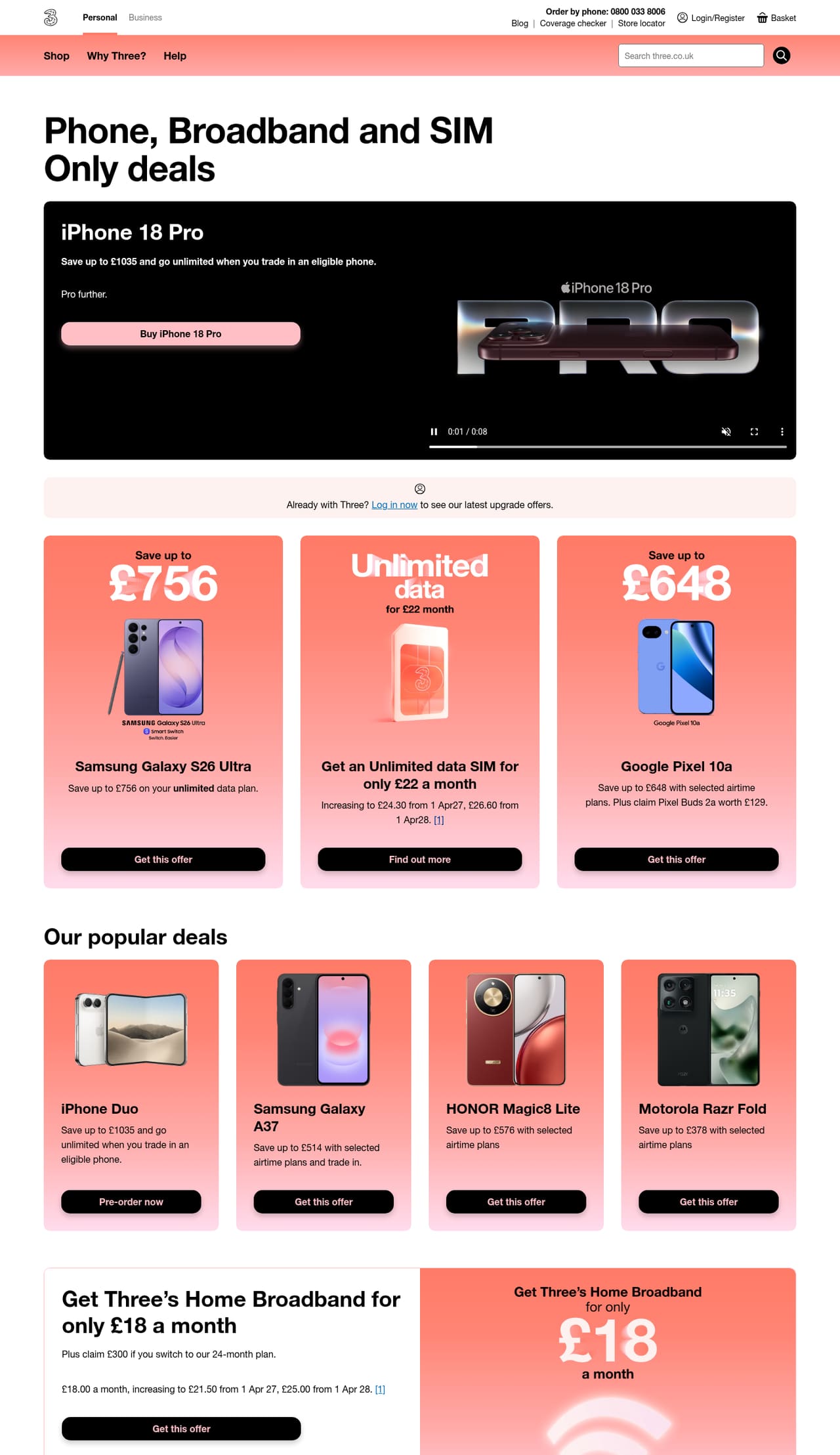
Three leads with "Save up to £1035" on trade-in and dates its price rises
Three · Homepage · £ as captured
5 new nudges, every Friday
Five real product and marketing moments, the psychology behind each, and one thing to try. Weekly issues start soon. Your email is stored with our email provider (Resend) and used only for this newsletter.