Biases › Technique
Technique
Reason-giving ("because")
Requests that come with a reason are more often granted, even when the reason is thin.
Langer, Blank & Chanowitz (1978), The mindlessness of ostensibly thoughtful action: The role of "placebic" information in interpersonal interaction.
What is Reason-giving?
Reason-giving is a behavioural design principle (technique family): requests that come with a reason are more often granted, even when the reason is thin. "Because" explanations ("we ask for your phone because…") increase compliance. Nudgeswipe rates the evidence as limited. Source: Langer, Blank & Chanowitz (1978), The mindlessness of ostensibly thoughtful action: The role of "placebic" information in interpersonal interaction.
The research
"Because" explanations ("we ask for your phone because…") increase compliance.
● Limited evidence
This is a technique, not a bias.
Source: doi.org/10.1037/0022-3514.36.6.635
Limited evidence: a small number of studies, and we haven't yet found independent replications. Treat it as promising, not proven.
Key takeaways
- Honest nudge
Give the real reason for every request.
- Dark-pattern line
Placeholder reasons that sound plausible but are untrue.
Use it
Apply this with your agent
The prompt carries this bias, its evidence rating and the honest-vs-dark line.
ChatGPT, Claude, Grok and Cursor open with the prompt filled in (it is also copied, in case the prefill doesn't load). Gemini and Codex don't support prefilled links, so the prompt is copied and the app opens; paste it in.
Frequently asked questions
What is Reason-giving?
Reason-giving is a behavioural design principle: requests that come with a reason are more often granted, even when the reason is thin.
How does Reason-giving work?
"Because" explanations ("we ask for your phone because…") increase compliance.
How strong is the evidence for Reason-giving?
Nudgeswipe rates it limited evidence. Original source: Langer, Blank & Chanowitz (1978), The mindlessness of ostensibly thoughtful action: The role of "placebic" information in interpersonal interaction.
How can you use Reason-giving honestly?
Give the real reason for every request.
When does Reason-giving become a dark pattern?
Placeholder reasons that sound plausible but are untrue.
Which brands use Reason-giving?
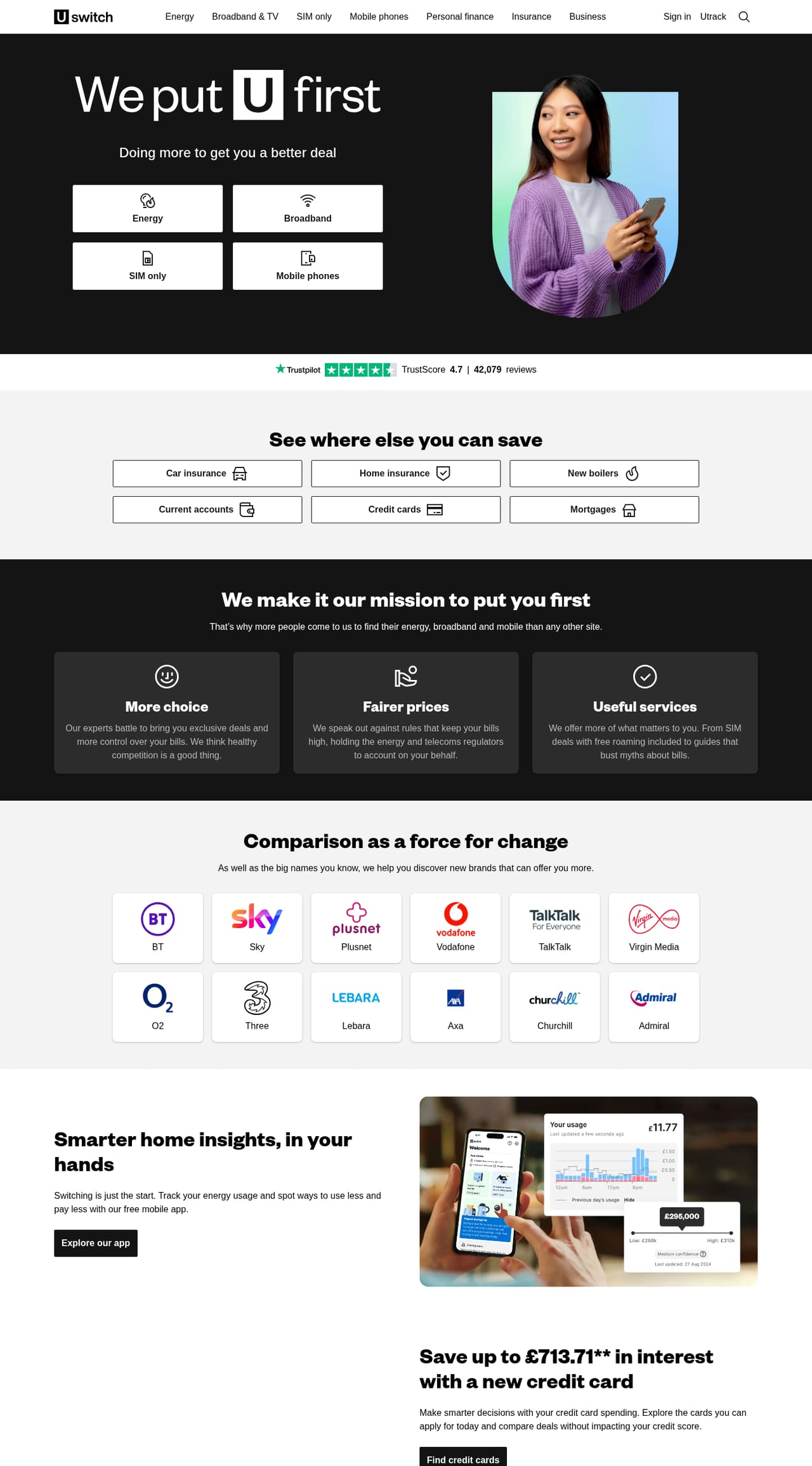
Nudgeswipe has 1 teardown of brands using it, including Uswitch. Whether it lifted their results is not public unless a teardown cites it.
In the wild
1 real example
5 new nudges, every Friday
Five real product and marketing moments, the psychology behind each, and one thing to try. Weekly issues start soon. Your email is stored with our email provider (Resend) and used only for this newsletter.