Teardowns › Homepages & product pages › Planning fallacy
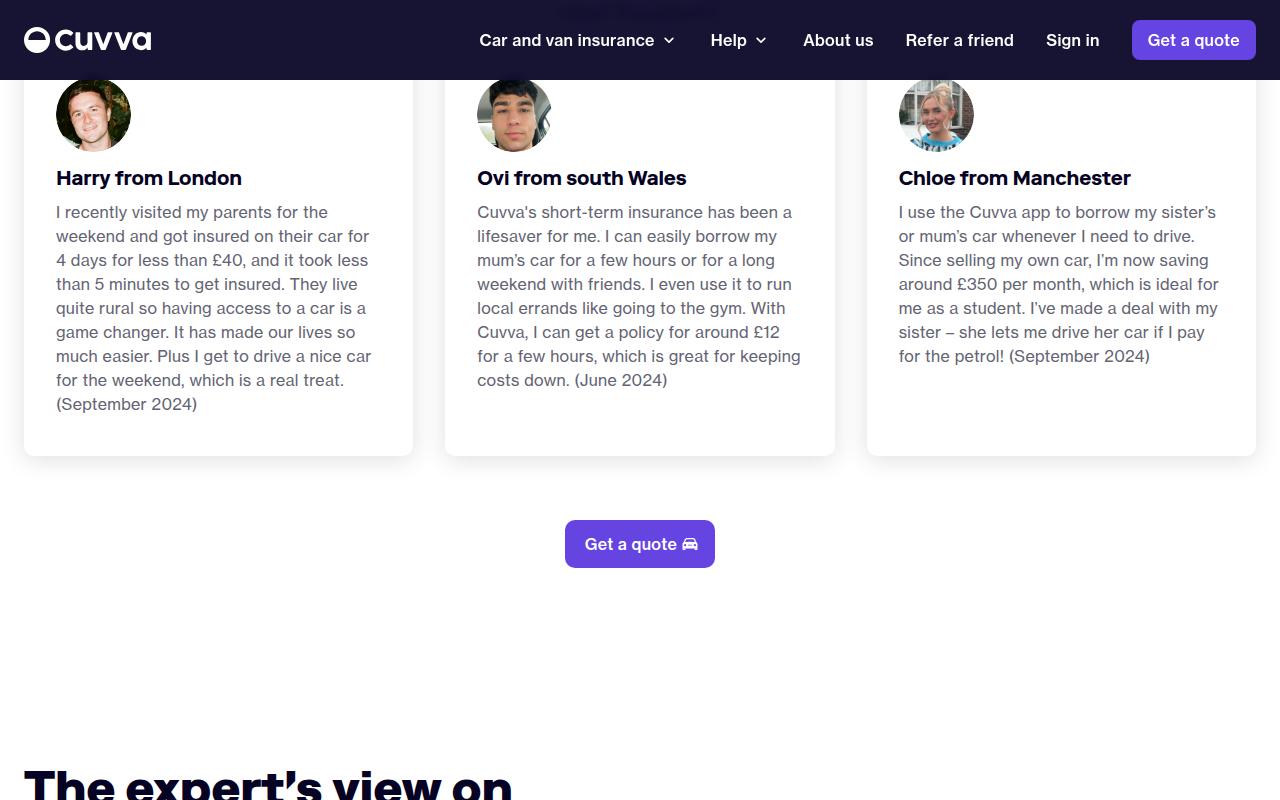
A Cuvva customer says getting insured took less than 5 minutes
If you print a time, attach it to a named person and a date, as this card does.
Step by step
- 1Social proof
“Harry from London”
- 2Planning fallacy
“less than 5 minutes to get insured”
5 new nudges, every Friday
Five real product and marketing moments, one thing to try from each, and the psychology behind it. Weekly issues start soon. Your email is stored with our email provider (Resend) and used only for this newsletter.
What to steal
- If you print a time, attach it to a named person and a date, as this card does.
- Don’t let one story stand in for a measured average. Say whose time it was.
What to test next: Harry’s “less than 5 minutes” vs the same three reviews with the time clause removed. Measure quote starts, and how many people can say afterwards whether the five minutes was a promise or one story.
In plain words
Why it works
Cuvva’s reviews put a short time on a task people tend to underestimate. The planning fallacy is that we under-guess how long our own tasks will take, even when similar tasks ran late (Buehler, Griffin & Ross 1994). Harry from London writes “it took less than 5 minutes to get insured.” The card is dated “(September 2024)”. Beside him, Ovi from south Wales and Chloe from Manchester describe borrowing a car and a fuel deal. Neither of those cards gives a time. “Get a quote” sits under the three cards. One customer’s five minutes is not a measured time for every quote. Whether readers take it as one is not public.
Honest nudge or dark pattern?
Conditional
Conditional: the five minutes is one named customer’s words, dated September 2024, not a Cuvva promise that every quote takes that long. The page does not print a measured average beside it.
Sources: Captured by Nudgeswipe, 4 Nov 2026 (UK homepage, logged out)
Context
Cuvva homepage, logged out, on 4 Nov 2026. Cookies were rejected. This crop is the review row. Harry’s card also says he was insured on his parents’ car for 4 days for less than £40.
The research
The research behind it
● Strong evidence (provisional) · More on planning fallacy, with sources →
Next: run it on your product
Try it on your own product
Opens your assistant with this teardown, our verdict and the steps above. It asks about your product first, then suggests tests you can run.
Read the prompt, or use another assistant
Grok and Cursor open with the prompt filled in. Gemini and Codex can’t take a prefilled link, so the prompt is copied and you paste it in.
Sources
- Our capture of cuvva.com, 4 Nov 2026
- Buehler, Griffin & Ross (1994), Exploring the “planning fallacy”: Why people underestimate their task completion times. doi.org/10.1037/0022-3514.67.3.366
- Captured by Nudgeswipe, 4 Nov 2026 (UK homepage, logged out): cuvva.com
Related teardowns
Linear’s pricing: ‘Free for everyone’ and 40,000 companies
Linear · Pricing page · $ as captured
Airbnb shows the total price and a “Guest favourite” badge on every card
Airbnb · Homepage · £ as captured
Todoist puts “347K+ ★★★★★ reviews” above its plans
Todoist · Pricing page
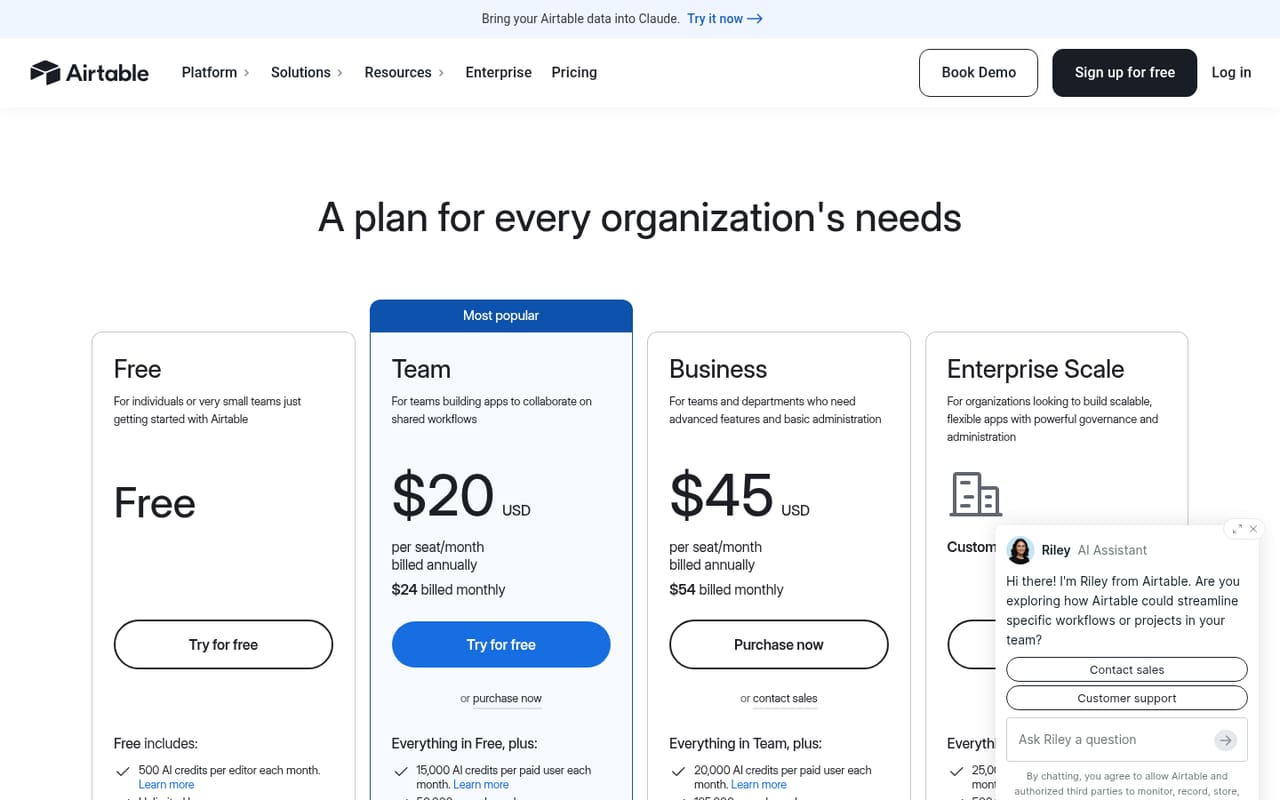
Airtable marks its Team plan “Most popular” between Free and Business
Airtable · Pricing page · $ as captured
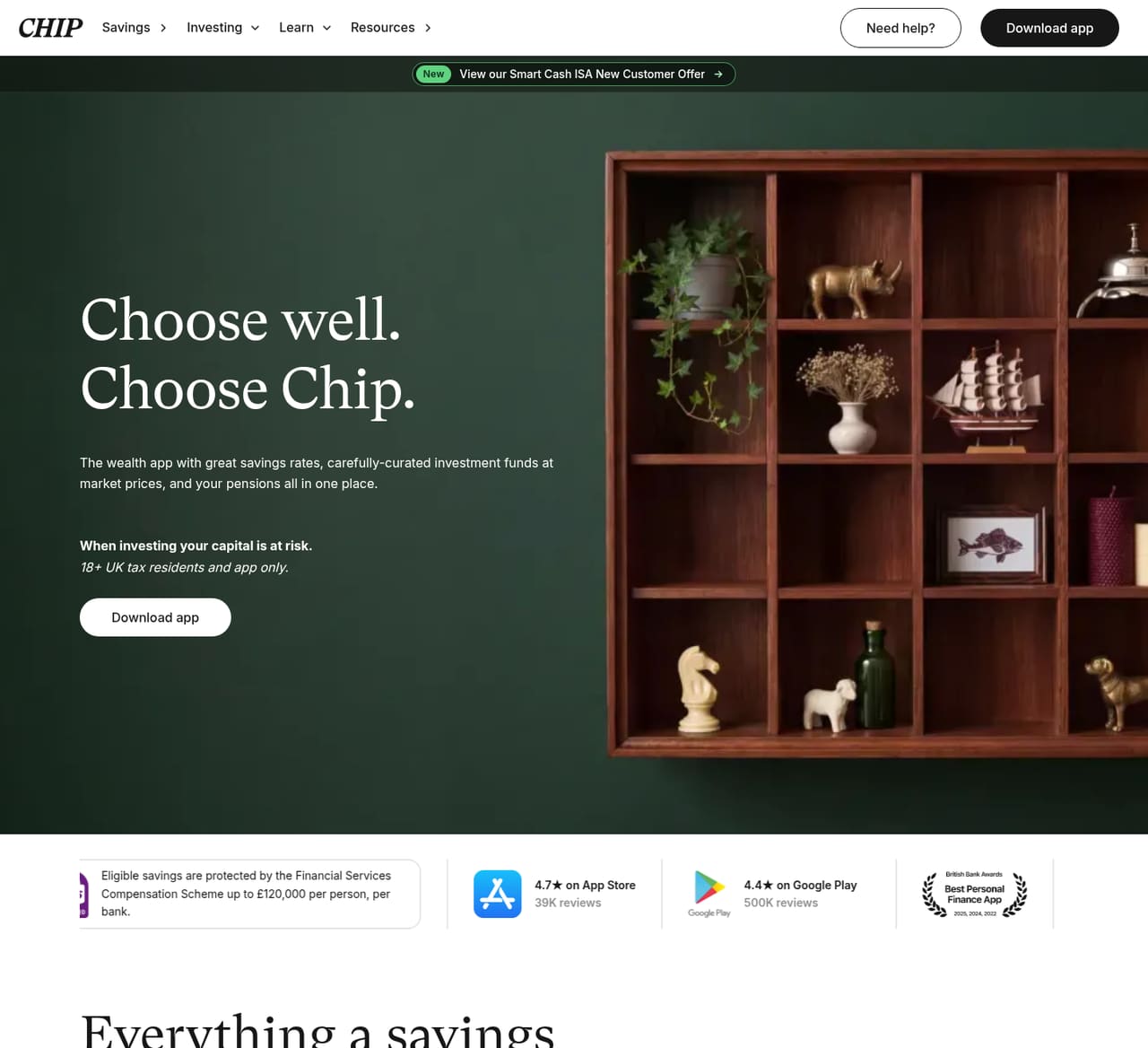
Chip leads with app-store ratings and the FSCS protection limit
Chip · Homepage · £ as captured
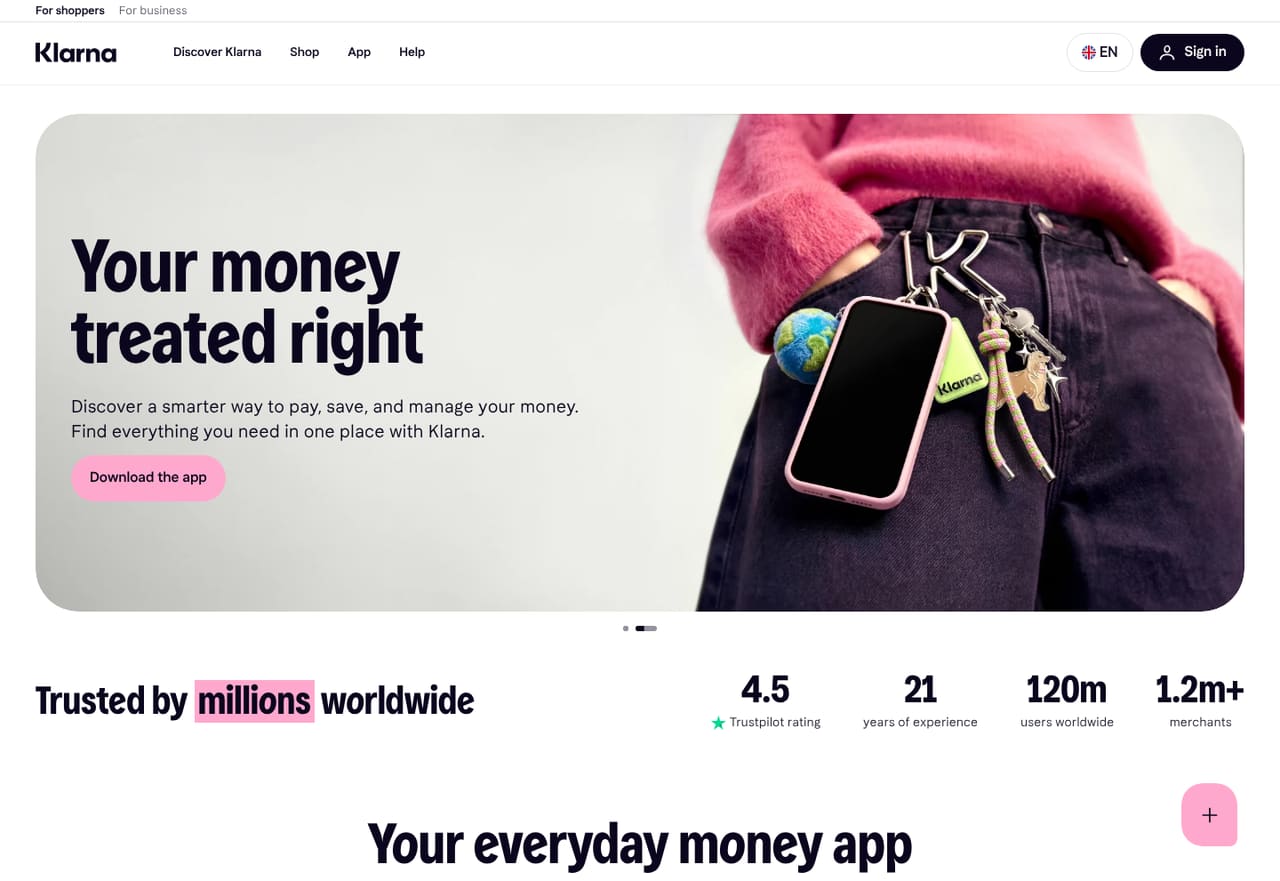
Klarna leads with “120m users” and a Trustpilot score
Klarna · Homepage
5 new nudges, every Friday
Five real product and marketing moments, one thing to try from each, and the psychology behind it. Weekly issues start soon. Your email is stored with our email provider (Resend) and used only for this newsletter.